
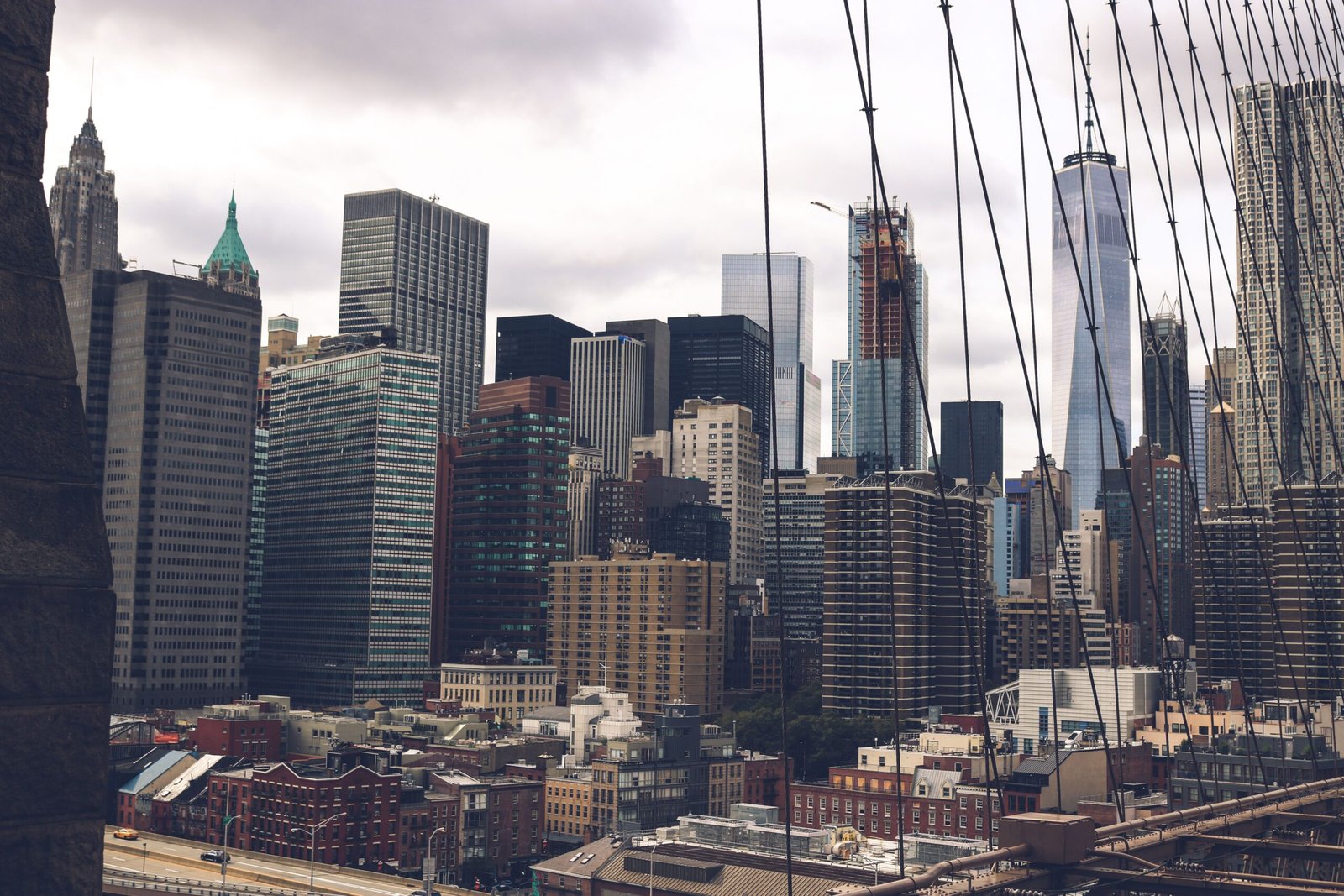

Choosing the Best Hotels in New York City is less about finding a single “best” property and more about matching the right neighborhood to your trip style—Broadway and bucket-list sights, food-forward downtown weekends, Brooklyn creativity, or a quiet, local-feeling base with easy subway access. NYC is huge, hotels are compact by design, and two stays with the same star rating can feel wildly different depending on what’s outside the lobby.
This guide breaks down where to stay (with real-world transit and budget considerations), then shares standout hotel picks across Manhattan and Brooklyn. Whether you’re planning a first visit, a romantic weekend, or a work trip with meetings all over town, these recommendations are chosen for location, comfort, and the practical details that matter in New York—subway proximity, walkability, and value once you factor in time and transportation.
Compare hotels across these neighborhoods on TravelStayMaps to find the best rates and availability.
A modern, design-forward option near the Theater District that prioritizes comfort and convenience. Ideal for show-heavy itineraries, quick Midtown sightseeing, and travelers who want a newer feel at a more approachable price than many luxury towers.
› BOOK NOWBest Hotels in New York City: What to Know First
New York hotel shopping has a few “NYC-specific” realities that can surprise even experienced travelers:
- Room sizes skew smaller—especially in older Midtown buildings and many boutique properties downtown. Prioritize layout (and bed size) over square footage claims.
- Location can save you money. A slightly pricier hotel near a major subway hub can cut rideshares and reduce commute time—often the best value move.
- Watch for extra charges. Many properties add “destination” or “facility” fees that may include Wi‑Fi, gym access, or a daily credit. Factor it into your true nightly cost.
- Noise varies block by block. Being “downtown” doesn’t automatically mean loud, and being “near Times Square” doesn’t always mean chaos—but it can. Ask for higher floors or interior-facing rooms when possible.
If you’re pairing this NYC trip with other U.S. city breaks, you might also like our hotel roundups for where to stay in Seattle for different neighborhoods or the best areas to stay in San Diego for a beach-and-city combo.
An intimate luxury landmark in Tribeca known for serene rooms, discreet service, and an elevated “hideaway” feel. Perfect for couples or anyone who wants downtown calm while staying close to SoHo and the West Side waterfront.
› BOOK NOWBest Hotels in New York City (Midtown Manhattan)
Midtown is the classic first-timer base: walkable to Broadway, Times Square, Bryant Park, Rockefeller Center, and major transit nodes like Grand Central and Penn Station. It’s also the easiest area for sightseeing efficiency—especially if you want to do a lot in a short time.
Who Midtown is best for
- First-time visitors who want maximum landmark coverage
- Theater trips (Hell’s Kitchen/Times Square side) and shopping weekends (5th Ave/Herald Square)
- Business travelers who need quick taxi/subway access in every direction
What to watch out for
- Street noise and crowds near Times Square
- Older room stock in some legacy buildings—look for recently renovated floors or newer towers
Local tip: If you want Midtown convenience without the Times Square crush, aim for Bryant Park, Grand Central, or the western edge of Midtown near Hudson Yards—still connected, generally calmer.
Compare hotels across these neighborhoods on TravelStayMaps to find the best rates and availability.
A stylish micro-hotel that nails downtown convenience and social spaces. Best for travelers who plan to be out exploring most of the day and want a well-designed, well-located base near SoHo without paying top-tier boutique prices.
› BOOK NOWBest Hotels in New York City (Downtown: SoHo, Nolita, LES, Tribeca)
Downtown Manhattan is where NYC feels more “neighborhood” and less “postcard”—cobblestone streets, boutique shopping, standout restaurants, and nights that can run late. It’s ideal if your itinerary leans toward food, galleries, nightlife, and long walks across iconic bridges.
SoHo & Nolita
- Vibe: Fashion, design, and classic cast-iron streetscapes
- Best for: Shopping weekends, stylish boutique stays, easy access to multiple subway lines
- Trade-offs: Higher prices; weekend crowds
Lower East Side (LES)
- Vibe: Energetic, youthful, bar-and-restaurant dense
- Best for: Nightlife, casual eats, a more “in-the-mix” stay
- Trade-offs: Noise—choose higher floors and check room orientation
Tribeca & Financial District
- Vibe: Quieter, polished, great for riverside walks
- Best for: Couples, families who want calmer nights, easy airport access via downtown trains
- Trade-offs: Some streets feel very businesslike after hours (especially FiDi)
Local tip: Downtown is excellent for splitting the city—one day in Manhattan below 14th Street, another in Brooklyn (Williamsburg/DUMBO), with shorter cross-river rides than from Upper Manhattan.
A character-rich downtown favorite with a creative, lived-in feel and easy access to the city’s best late-night neighborhoods. Choose this if your trip revolves around food, bars, galleries, and a more local-feeling Manhattan base.
› BOOK NOWBest Hotels in New York City (Central Park & Upper Manhattan)
If your ideal New York includes morning runs, museum afternoons, and a calmer home base, Central Park-adjacent neighborhoods are hard to beat. You’ll be close to the Met, Guggenheim, the American Museum of Natural History, and leafy streets that feel a world away from Midtown crowds—yet you can still be in Times Square in 10–20 minutes by subway.
Upper West Side (UWS)
- Vibe: Residential, classic, great cafes and parks
- Best for: Families, museum-focused trips, longer stays
- Transit: Strong subway coverage (1/2/3 and A/B/C/D nearby depending on exact location)
Upper East Side (UES)
- Vibe: Refined, quieter, close to “Museum Mile”
- Best for: Couples, shoppers, travelers who prefer calm evenings
- Transit: Q and 4/5/6 lines make Midtown and downtown access straightforward
Local tip: If you’re planning early museum entry times, staying near the park lets you start your day before Midtown fills up—then you can dip downtown later when lines thin out.
One of the most memorable skyline-view stays in NYC, combining waterfront serenity with quick access to Manhattan. Ideal for couples, special occasions, and travelers who want a resort-like feel without leaving the city.
› BOOK NOWBest Hotels in New York City (Brooklyn: Williamsburg, DUMBO, Downtown BK)
Brooklyn isn’t just an “alternative” to Manhattan—it’s a destination. If you want skyline views, top-tier dining, and a more relaxed street-level pace, Brooklyn can be an excellent base. The key is choosing a neighborhood with fast trains to Manhattan and walkable dining nearby.
Williamsburg
- Vibe: Creative, stylish, food-and-nightlife rich
- Best for: Couples, repeat visitors, travelers who want restaurants at their doorstep
- Transit: L train to Union Square (then connect anywhere); ferry options for scenic commutes
DUMBO
- Vibe: Waterfront, dramatic bridge views, cobblestones
- Best for: Photo-forward weekends, families, those who love morning walks
- Transit: Quick links via A/C/F lines; easy Manhattan access through Brooklyn Bridge walks
Downtown Brooklyn / Fort Greene / Boerum Hill edge
- Vibe: Transit hub + local neighborhoods nearby
- Best for: Value seekers who still want fast Manhattan access
- Transit: Multiple lines converge—often one of the quickest bases for getting around
Local tip: If you’re planning late nights in Manhattan, check train schedules and potential weekend service changes. A hotel near a major station can save you time—and expensive rideshares—on the way back.
A stylish Williamsburg anchor with excellent dining, nightlife, and quick Manhattan access. It’s a great pick for repeat visitors and anyone who prefers Brooklyn’s energy while still staying well-connected to downtown and Midtown.
› BOOK NOWBudget Tips That Actually Work in NYC
- Stay near a subway hub (not just “near a station”). Being close to multiple lines reduces transfers and the temptation to rideshare.
- Travel Sunday–Thursday for noticeably better hotel pricing. Friday and Saturday are typically the most expensive.
- Consider Brooklyn for space. You may get larger rooms or better views for the same price, especially in Williamsburg or Downtown Brooklyn.
- Eat smart, not small: do one “big” restaurant meal per day and lean on NYC’s incredible counter-service options (bagels, slices, diners, food halls) for the rest.
- Factor in hotel fees before you decide. A slightly higher base rate with no fee can beat a “deal” once fees and taxes land.
If you’re comparing value across big U.S. cities, our roundup on the best hotels in Houston is a good reference point for how location and seasonality change pricing dynamics.
Transportation Advice: Subway, Airports, and Getting Around
Subway basics
- Use contactless tap (or a MetroCard if you prefer). Most visitors can just tap their card/phone at turnstiles.
- Plan for weekend service changes. NYC often does track work on weekends; check before heading out, especially late at night.
- Choose hotels with simple lines to your priorities. Example: Broadway + Midtown offices? Midtown West. Museums + park time? Upper West Side/Upper East Side.
From the airports
- JFK: AirTrain connects to subway/LIRR. It’s often the best balance of price and time, especially outside rush hour.
- LaGuardia (LGA): Bus-to-subway combos can be cost-effective; taxis/rideshares are convenient for groups.
- Newark (EWR): NJ Transit + PATH/subway connections can work well; allow buffer time if you’re traveling during peak commuting hours.
Walking strategy (the underrated “transport”)
NYC is a walking city. If you choose the right neighborhood, many days you’ll string together attractions on foot—saving money and seeing more. Pack comfortable shoes and plan “clusters” (Midtown landmarks in one day, downtown neighborhoods another, museums + park on a third).
Booking Tips: Fees, Room Sizes, and Timing
- Check the total price (taxes + fees) before you commit. NYC taxes add up quickly.
- Look for room notes: “interior,” “city view,” “accessible,” and “high floor” can materially change your experience.
- For light sleepers, request: high floor + away from elevators + not facing a main avenue.
- Early check-in is never guaranteed. If you arrive early, pick a hotel with a reliable bag hold so you can start exploring immediately.
Final Picks: Choosing the Right NYC Base
The Best Hotels in New York City are the ones that make your days easier: a neighborhood that fits your vibe, a subway situation that keeps you moving, and a room that feels like a reset button after long walks. For first-timers, Midtown and Bryant Park/Grand Central corridors are the simplest. For food and nightlife, downtown Manhattan is a win. For views and a slightly calmer pace, Brooklyn’s waterfront neighborhoods deliver.
Compare hotels across these neighborhoods on TravelStayMaps to find the best rates and availability.
Once you’ve narrowed your preferred area, use the hotel picks below as your short list—then book early if you’re traveling during peak seasons (late spring, fall, and December holidays).
Recommended Hotels
📍 Midtown / Fifth Avenue
A refined luxury base in the heart of Midtown with notably generous room sizes and an easy walk to Bryant Park, Grand Central, and flagship shopping. It’s a strong choice for couples and business travelers who want classic comfort and smooth logistics.
👍 Pros
- + Prime Fifth Avenue location near Bryant Park
- + Spacious rooms by NYC standards
- + Polished luxury service ideal for special trips
👎 Cons
- – Premium pricing most dates
- – Some rooms face busy streets (request a higher floor)
📍 Midtown West / Times Square edge
A modern, design-forward option near the Theater District that prioritizes comfort and convenience. Ideal for show-heavy itineraries, quick Midtown sightseeing, and travelers who want a newer feel at a more approachable price than many luxury towers.
👍 Pros
- + Excellent Broadway access without being in the busiest blocks
- + Modern rooms with solid soundproofing for the area
- + Great value for Midtown convenience
👎 Cons
- – Rooms can be compact
- – Busy neighborhood vibe may not suit light sleepers
📍 Tribeca (Downtown Manhattan)
An intimate luxury landmark in Tribeca known for serene rooms, discreet service, and an elevated “hideaway” feel. Perfect for couples or anyone who wants downtown calm while staying close to SoHo and the West Side waterfront.
👍 Pros
- + Quiet, upscale Tribeca location with strong dining nearby
- + Warm, residential-feeling luxury
- + Excellent wellness facilities (including pool)
👎 Cons
- – Very high nightly rates
- – Limited availability during peak periods
📍 SoHo / Hudson Square
A stylish micro-hotel that nails downtown convenience and social spaces. Best for travelers who plan to be out exploring most of the day and want a well-designed, well-located base near SoHo without paying top-tier boutique prices.
👍 Pros
- + Smart, efficient rooms with strong downtown access
- + Great public spaces for working or planning the day
- + Walkable to SoHo, Tribeca, and the West Side path
👎 Cons
- – Very small rooms (intentional micro-hotel concept)
- – Limited storage for longer stays
📍 Lower East Side (LES)
A character-rich downtown favorite with a creative, lived-in feel and easy access to the city’s best late-night neighborhoods. Choose this if your trip revolves around food, bars, galleries, and a more local-feeling Manhattan base.
👍 Pros
- + Iconic LES vibe with excellent dining and nightlife nearby
- + Atmospheric, loft-like rooms (some with standout views)
- + Great option for a downtown weekend
👎 Cons
- – Potential street noise depending on room placement
- – Less convenient for some Midtown-heavy itineraries
📍 DUMBO / Brooklyn Waterfront
One of the most memorable skyline-view stays in NYC, combining waterfront serenity with quick access to Manhattan. Ideal for couples, special occasions, and travelers who want a resort-like feel without leaving the city.
👍 Pros
- + Spectacular Manhattan skyline views
- + Waterfront access and great walking routes
- + A calm base with an upscale, eco-minded design
👎 Cons
- – Higher pricing, especially in summer
- – Subway options require a short walk compared with Downtown Brooklyn hubs
📍 Williamsburg (Brooklyn)
A stylish Williamsburg anchor with excellent dining, nightlife, and quick Manhattan access. It’s a great pick for repeat visitors and anyone who prefers Brooklyn’s energy while still staying well-connected to downtown and Midtown.
👍 Pros
- + Strong restaurant-and-nightlife scene right outside
- + Great design with a social, neighborhood feel
- + Easy access to Manhattan via the L train
👎 Cons
- – Busy weekends can mean a lively lobby scene
- – Some rooms are compact for the price
Frequently Asked Questions
What is the best area to stay in New York City?
For most first-time visitors, Midtown (especially near Bryant Park, Grand Central, or the Theater District edge) is the easiest base because you can reach landmarks and multiple subway lines quickly. If you’re prioritizing restaurants, shopping, and nightlife, downtown neighborhoods like SoHo, Nolita, and the Lower East Side are a better fit. For a calmer, scenic stay with skyline views, consider Brooklyn’s DUMBO or Williamsburg—both connect well to Manhattan.
Is it better to stay in Midtown or Downtown Manhattan?
Midtown is best for efficiency—Broadway, major attractions, and transit hubs are close, which saves time if your itinerary is packed. Downtown is better for vibe: you’ll be near many of NYC’s most exciting restaurants, bars, and boutique shopping, and the streets feel more neighborhood-like. If you’re visiting for 3–4 days and want to “do it all,” Midtown often wins; for a long weekend focused on food and exploring, downtown can be more rewarding.
Should I stay in Brooklyn or Manhattan for my NYC trip?
Manhattan is convenient for classic sightseeing and late-night logistics—especially if you’ll be hopping between Midtown and downtown daily. Brooklyn can offer better views, a slightly calmer pace, and sometimes more space for the price, but you’ll want to stay near strong transit (Williamsburg, DUMBO, or Downtown Brooklyn) to avoid long commutes. Brooklyn is especially great if your plans include Williamsburg dining, waterfront walks, and a more local rhythm.
How many days do you need in New York City?
A solid first trip is 4–5 days: one day for Midtown landmarks and a show, one for Central Park and museums, one for downtown neighborhoods (SoHo/LES/Tribeca), and one for Brooklyn (DUMBO/Williamsburg). A 3-day trip can work if you pick one core area and keep your plans geographically clustered to minimize transit time.
What’s the cheapest way to get from JFK or Newark to Manhattan?
From JFK, the cost-effective option is typically AirTrain to the subway (or to the LIRR for a faster, pricier rail option into Manhattan). From Newark, many travelers use NJ Transit into Penn Station and then connect via subway or a short taxi. These routes are generally much cheaper than rideshares, especially during peak traffic or surge pricing—just allow extra time if you have luggage or are traveling late.
Do NYC hotels charge extra fees?
Many New York City hotels add a destination/facility fee on top of the nightly rate, plus taxes. The fee may include Wi‑Fi, gym access, and sometimes a daily food-and-beverage credit, but it can still raise your true nightly cost significantly. Always check the final total price before booking and compare like-for-like across properties.
When is the best time to book hotels in New York City for good prices?
For better rates, aim for Sunday–Thursday stays and book earlier for high-demand seasons like late spring, fall, and December holidays. If your dates are flexible, avoiding major event weeks and peak weekends can make a big difference. Booking in advance also increases your odds of getting quieter rooms (higher floors or interior-facing options) and better room categories at a reasonable price.
