
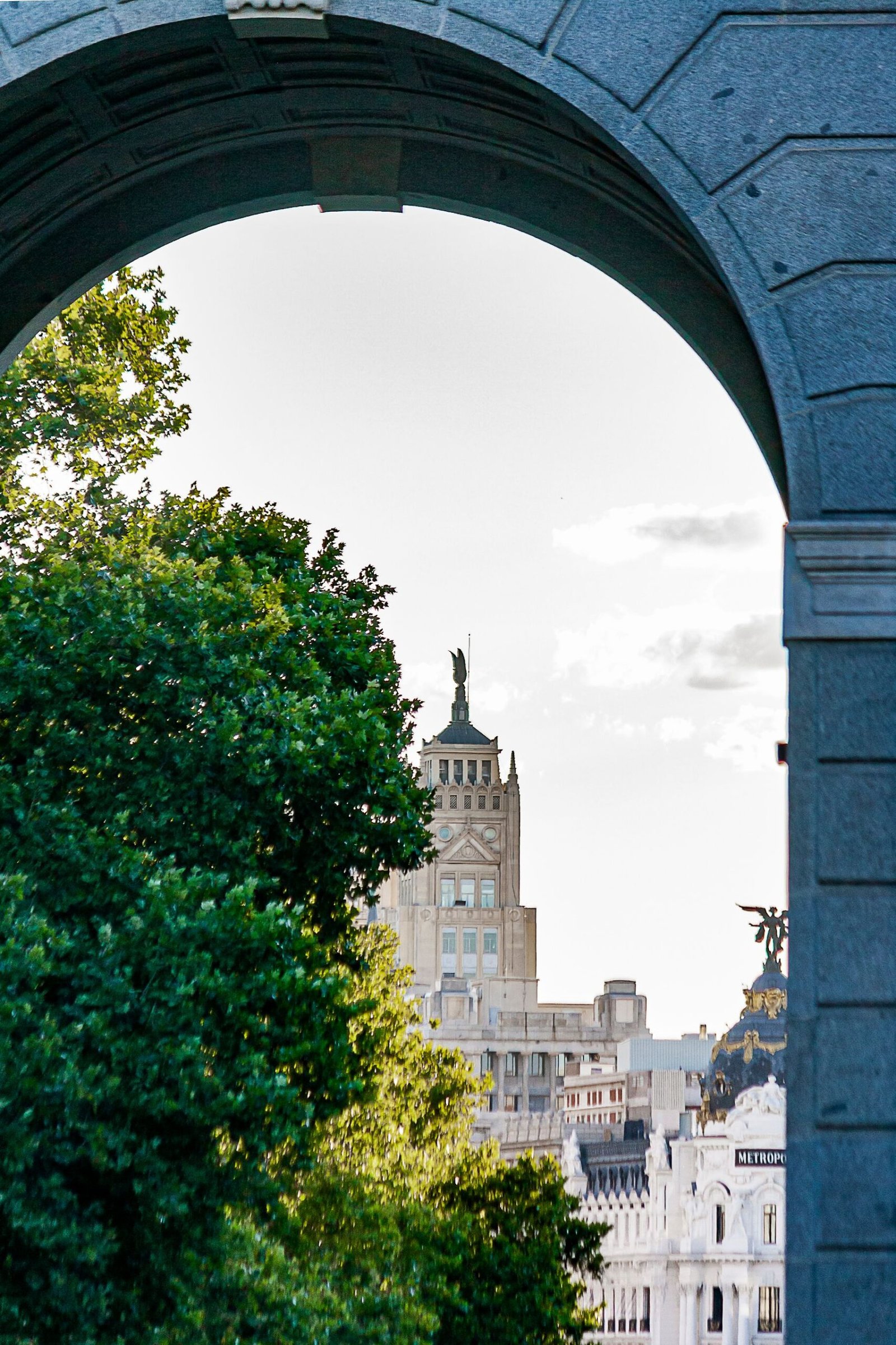

Choosing among the Best Hotels in Madrid comes down to two things: which neighborhood fits your travel style (museums and monuments, tapas-and-nightlife, parks and family-friendly streets), and how you want to move around (walking vs. Metro-first). Madrid is compact, easy to navigate, and packed with character—so the “best” hotel is often the one that puts you steps from the experiences you’ll actually do. Below, you’ll find the Best Hotels in Madrid grouped by the areas travelers love most, along with practical tips on budget, transport, and what to expect street-by-street.
Madrid’s hotel scene ranges from iconic grand dames near the Paseo del Prado to design-forward boutiques in Malasaña and Salamanca. Use this guide to match your priorities—quiet sleep vs. nightlife, immediate museum access vs. local cafés, rooftop pools vs. value-for-money—then lock in the best availability early, especially for spring and fall weekends.
Compare hotels across these neighborhoods on TravelStayMaps to find the best rates and availability.
📍 Compare hotels on TravelStayMaps — see availability and rates on an interactive map.
A smart, well-located choice that balances comfort with convenience—perfect for travelers who want to bounce between Gran Vía energy and Prado-area culture without long commutes.
› BOOK NOWBest Hotels in Madrid: Quick Overview
If you want a first-timer-friendly base, stay in Centro (Sol/Gran Vía) for walkability to the Royal Palace, Plaza Mayor, and the city’s main shopping corridors. For culture lovers, Barrio de las Letras puts you near the Prado, Reina Sofía, and Thyssen, plus excellent dining that feels more “local” than the busiest central squares. Salamanca is the polished choice—wider streets, upscale boutiques, and a calmer nighttime vibe—while Malasaña/Chueca is where you’ll find creative boutiques, nightlife, and some of Madrid’s best coffee and cocktail bars. If you like greenery and a slightly quieter reset, Retiro is ideal for morning runs and museum days.
- Best for first-time sightseeing: Centro (Sol/Gran Vía)
- Best for museums & culture: Barrio de las Letras / Paseo del Prado
- Best for luxury & shopping: Salamanca
- Best for nightlife & design hotels: Malasaña & Chueca
- Best for families & park access: Retiro edges / Ibiza area
A design-led boutique hotel in one of Madrid’s most fun neighborhoods. It’s a great pick if you want walkability, atmosphere, and a polished base for evenings out.
› BOOK NOWBest Hotels in Madrid (Centro): Sol, Gran Vía & Royal Madrid
Centro is Madrid’s “everything at your doorstep” zone: Gran Vía’s theaters and flagship stores, Puerta del Sol’s transport hub, Plaza Mayor’s historic core, and easy walks to the Royal Palace and Almudena Cathedral. The trade-off is predictable: it’s busy, and some streets can be loud late into the night.
Who Centro is best for
- First-timers who want to walk everywhere
- Short stays (1–3 nights) where efficiency matters
- Shoppers and theater fans along Gran Vía
Local tips for staying in Centro
- Ask for interior-facing rooms if you’re sensitive to noise—especially near Gran Vía and Sol.
- Plaza de España is a great “edge of Centro” alternative: still central, often a touch calmer.
- For airport transfers, Sol and Gran Vía connect quickly to the Metro network, but if you have lots of luggage, a taxi or rideshare may be simpler.
Compare hotels across these neighborhoods on TravelStayMaps to find the best rates and availability.
📍 Compare hotels on TravelStayMaps — see availability and rates on an interactive map.
A strong mid-range option with a contemporary look and a location that works for both daytime sightseeing and Malasaña nights. Ideal for travelers prioritizing value and walkability.
› BOOK NOWBest Hotels in Madrid (Barrio de las Letras): Museums & Walkability
Barrio de las Letras (Literary Quarter) is one of the smartest areas to stay if you want the “classic Madrid” feel without being right on top of the noisiest squares. You’re close to the Golden Triangle of Art (Prado, Reina Sofía, Thyssen), and the streets are lined with tapas bars, wine spots, and boutiques. It’s also a comfortable walk to Retiro Park and central highlights.
Who Barrio de las Letras is best for
- Museum lovers and culture-first itineraries
- Foodies who want great dining without trekking across town
- Couples seeking a lively but not chaotic base
Local tips for Barrio de las Letras
- Start mornings early at the museums, then come back for a siesta-style break before late dinners (many kitchens get busy after 9pm).
- For an easy day plan: Prado in the morning, Retiro picnic, then tapas hopping around Huertas Street.
An iconic grand hotel near Madrid’s most important museums, ideal for travelers who want a timeless, central base with easy access to Prado-area culture and elegant dining.
› BOOK NOWBest Hotels in Madrid (Salamanca): Shopping & Upscale Calm
Salamanca is Madrid’s refined, upscale district—home to designer shopping (think Serrano Street), elegant architecture, and some of the city’s best-rested nights. It’s less about “tourist sights out the door” and more about polished comfort, great restaurants, and quick Metro/taxi access to everything.
Who Salamanca is best for
- Luxury travelers who want a quieter neighborhood
- Repeat visitors who’ve already done the main attractions
- Business travelers who value calm and convenience
Local tips for Salamanca
- It’s very walkable, but the best value comes when you mix walking with the Metro for longer hops to Centro at night.
- Look for hotels near Serrano, Velázquez, or Goya stations to keep transit easy.
A glamorous Salamanca stay with high-end touches and an excellent base for shopping and dining. Great for travelers who want a calmer neighborhood without sacrificing style.
› BOOK NOWBest Hotels in Madrid (Malasaña & Chueca): Nightlife & Style
Malasaña and neighboring Chueca are the city’s creative core—vintage shops, indie boutiques, late-night bars, and an always-on energy. If you’re building your trip around nightlife, café culture, and design-forward hotels, this is your sweet spot. If you’re a light sleeper, choose a property with good soundproofing or request a quiet room.
Who Malasaña & Chueca are best for
- Nightlife lovers and bar-hoppers
- Design and boutique-hotel fans
- Solo travelers who want an energetic, walkable base
Local tips for Malasaña & Chueca
- Weekends run late. Book a room away from the busiest corners (near Tribunal/Gran Vía edges can be calmer than the bar-heavy micro-streets).
- Chueca is one of Madrid’s most welcoming areas with an excellent dining scene—reserve ahead for popular spots on Friday/Saturday.
A dependable, well-connected hotel that works for both sightseeing and evenings out. The location makes it easy to split time between Gran Vía, Cibeles, and the museum district.
› BOOK NOWBest Hotels in Madrid (Retiro): Park Access & Easy Transit
Retiro is a strong pick if you want greenery, calmer evenings, and a “live like a local” feel while still being close to the museum zone. Staying near the park gives you an instant morning plan: coffee, a walk under the trees, then museums or shopping. It’s also family-friendly thanks to open space and straightforward Metro links.
Who Retiro is best for
- Families who want space and quieter streets
- Runners and walkers who want the park nearby
- Travelers who prefer calm evenings but easy access to Centro
Local tips for Retiro
- Look around Ibiza and the park’s eastern edge for great restaurants and a more residential vibe.
- Museum days are easy from here—especially Prado/Thyssen—without feeling stuck in the busiest tourist lanes.
Budget Tips: Save Money Without Sacrificing Location
- Travel shoulder season: Late January–February and parts of November often bring better hotel pricing (avoid major holidays and big event weekends).
- Stay “one Metro stop out”: Edges of Centro (Argüelles/Plaza de España) or near Retiro’s perimeter can be noticeably cheaper than Sol/Gran Vía while remaining highly convenient.
- Choose breakfast strategically: Madrid’s café culture is strong—sometimes skipping hotel breakfast and eating locally saves money and tastes better.
- Prioritize insulation over extras: A quiet, well-soundproofed room can be worth more than a bigger lobby—especially in nightlife areas.
- Book cancellable, then re-check: If your rate is refundable, you can monitor price drops closer to your dates.
If you’re also comparing city breaks elsewhere, you may like our guides to best hotels in London for different neighborhoods and budgets, top Rome hotels near major sights, and where to stay in Amsterdam for walkability.
Transportation Advice: Getting Around Madrid
Madrid is one of Europe’s easiest capitals to navigate. You’ll likely combine walking with the Metro and occasional taxis/rideshares—especially late at night.
From the airport (MAD) to the city
- Metro: Reliable and budget-friendly, though it can involve transfers depending on your hotel’s neighborhood. Great if you’re traveling light.
- Taxi: Convenient door-to-door, especially with luggage or late arrivals. Expect set fares on some airport-city routes depending on regulations and destination zone.
- Bus: The airport express bus is a useful option for certain central stops, but it’s not always the simplest with heavy bags.
Getting around day-to-day
- Metro is fast and frequent; stations are widespread in Centro, Salamanca, and around Retiro.
- Walking is ideal in the historic core—just plan for a few gentle inclines and longer distances than they appear on a map.
- Late nights: When the city is buzzing, taxis can be the simplest way back to your hotel if you’re staying outside Centro.
Booking Tips: When to Book & What to Check
- Book early for spring and fall: These are peak times for Madrid. The best-located properties and the best rooms go first.
- Room positioning matters: In Centro/Malasaña/Chueca, request a quiet room or higher floor if you’re noise-sensitive.
- Confirm A/C in summer: Madrid summers are hot and dry; proper air conditioning is a must.
- Check parking needs: If you’re renting a car for day trips (Toledo, Segovia), parking in central Madrid is often limited and expensive—choose a hotel with parking or plan to go car-free.
- Rooftop seasonality: Rooftop pools/bars can be seasonal—verify dates if that’s a deciding factor.
Final Thoughts: Picking the Right Madrid Hotel
The Best Hotels in Madrid aren’t only about star ratings—they’re about the right neighborhood match. Stay in Centro for maximum sightseeing efficiency, Barrio de las Letras for museums and atmosphere, Salamanca for calm luxury, Malasaña/Chueca for nightlife and design, or Retiro for greenery and family-friendly ease. Once you pick your area, prioritize a room type that fits your sleep style (quiet rooms matter here), then book with flexibility if you can.
Compare hotels across these neighborhoods on TravelStayMaps to find the best rates and availability.
📍 Compare hotels on TravelStayMaps — see availability and rates on an interactive map.
Recommended Hotels
📍 Centro (near Puerta del Sol)
A flagship luxury stay in the heart of the city, ideal if you want Madrid’s top sights within an easy walk. Expect refined rooms, an excellent spa, and a seamless base for shopping, museums, and historic highlights.
👍 Pros
- + Ultra-central location for first-time sightseeing
- + High-end spa and wellness facilities
- + Polished service and strong dining scene nearby
👎 Cons
- – Premium pricing year-round
- – Centro bustle can feel busy outside
📍 Centro (Alcalá/Sevilla, between Sol and the museums)
A smart, well-located choice that balances comfort with convenience—perfect for travelers who want to bounce between Gran Vía energy and Prado-area culture without long commutes.
👍 Pros
- + Walkable to Centro and the museum zone
- + Great value for the location
- + Comfortable, modern rooms
👎 Cons
- – Some rooms can be compact
- – Street-facing rooms may pick up city noise
📍 Chueca
A design-led boutique hotel in one of Madrid’s most fun neighborhoods. It’s a great pick if you want walkability, atmosphere, and a polished base for evenings out.
👍 Pros
- + Stylish boutique feel in a lively neighborhood
- + Excellent dining and nightlife nearby
- + Friendly, service-forward vibe
👎 Cons
- – Not the quietest area on weekends
- – Higher demand can raise rates in peak season
📍 Malasaña/Gran Vía edge
A strong mid-range option with a contemporary look and a location that works for both daytime sightseeing and Malasaña nights. Ideal for travelers prioritizing value and walkability.
👍 Pros
- + Excellent value near Gran Vía
- + Easy access to nightlife and shopping
- + Modern style without luxury pricing
👎 Cons
- – Limited on-site facilities compared to larger hotels
- – Some rooms may feel minimalist
📍 Paseo del Prado / Barrio de las Letras edge
An iconic grand hotel near Madrid’s most important museums, ideal for travelers who want a timeless, central base with easy access to Prado-area culture and elegant dining.
👍 Pros
- + Prime location for the Golden Triangle of Art
- + Historic, classic Madrid ambiance
- + Great base for culture-focused trips
👎 Cons
- – Classic style may feel traditional rather than trendy
- – Rates can be high during museum-season peaks
📍 Salamanca
A glamorous Salamanca stay with high-end touches and an excellent base for shopping and dining. Great for travelers who want a calmer neighborhood without sacrificing style.
👍 Pros
- + Upscale Salamanca location near shopping
- + Strong wellness and rooftop appeal
- + Quieter, polished neighborhood feel
👎 Cons
- – Not as walk-to-everything as Centro
- – Luxury pricing, especially on weekends
📍 Centro (near Cibeles / Gran Vía edge)
A dependable, well-connected hotel that works for both sightseeing and evenings out. The location makes it easy to split time between Gran Vía, Cibeles, and the museum district.
👍 Pros
- + Central location bridging Centro and Prado-area sights
- + Rooftop scene for sunset drinks
- + Reliable comfort for a wide range of travelers
👎 Cons
- – Rooftop popularity can bring evening buzz
- – Some rooms may vary in size/layout
Frequently Asked Questions
What is the best area to stay in Madrid?
For most first-time visitors, Centro (around Sol, Gran Vía, and Plaza de España) is the best area to stay in Madrid because you can walk to major sights and connect easily via Metro. If you prefer a slightly calmer, more atmospheric base with excellent dining, Barrio de las Letras is a close second—especially for museum-focused trips.
Are the best hotels in Madrid within walking distance of the main attractions?
Many of the best hotels in Madrid are walkable to top attractions, particularly in Centro and Barrio de las Letras. From these areas you can reach Plaza Mayor, Gran Vía, the Royal Palace, and the Prado/Thyssen corridor on foot. If you stay in Salamanca or Retiro, you’ll still have quick access—often a short Metro ride or taxi.
Where should I stay in Madrid for museums (Prado, Reina Sofía, Thyssen)?
Stay in Barrio de las Letras or along the Paseo del Prado corridor. This area is ideal for early museum entry, mid-day breaks back at the hotel, and evenings in a neighborhood that feels local but still central. It also connects well to Retiro Park for a relaxed museum-and-park itinerary.
What’s the best neighborhood in Madrid for nightlife?
Malasaña and Chueca are top picks for nightlife, with bars, clubs, cocktail spots, and late-night cafés within easy walking distance. Choose a hotel with good soundproofing or request a quieter room, especially on weekends, since the area stays lively late.
How many days should I stay in Madrid?
A solid first trip is 3–4 days, which gives you time for the historic center, the main museums, Retiro Park, and a few standout food neighborhoods. With 5+ days, you can slow down and add easy day trips like Toledo or Segovia without feeling rushed.
Is Madrid an expensive city for hotels?
Madrid can be good value compared to some other major European capitals, but prices rise sharply during peak seasons (spring and fall weekends, holidays, and major events). To keep costs down, consider staying just outside the busiest core—near Plaza de España, the Retiro edges, or well-connected parts of Salamanca—and prioritize Metro access.
What’s the best way to get from Madrid airport to my hotel?
If you’re traveling light, the Metro is a budget-friendly option with broad coverage across the city (though transfers may be needed). For door-to-door convenience—especially with luggage, late arrivals, or family travel—taxi or rideshare is often the simplest. If your hotel is central, the airport express bus can also work depending on your final stop.
