
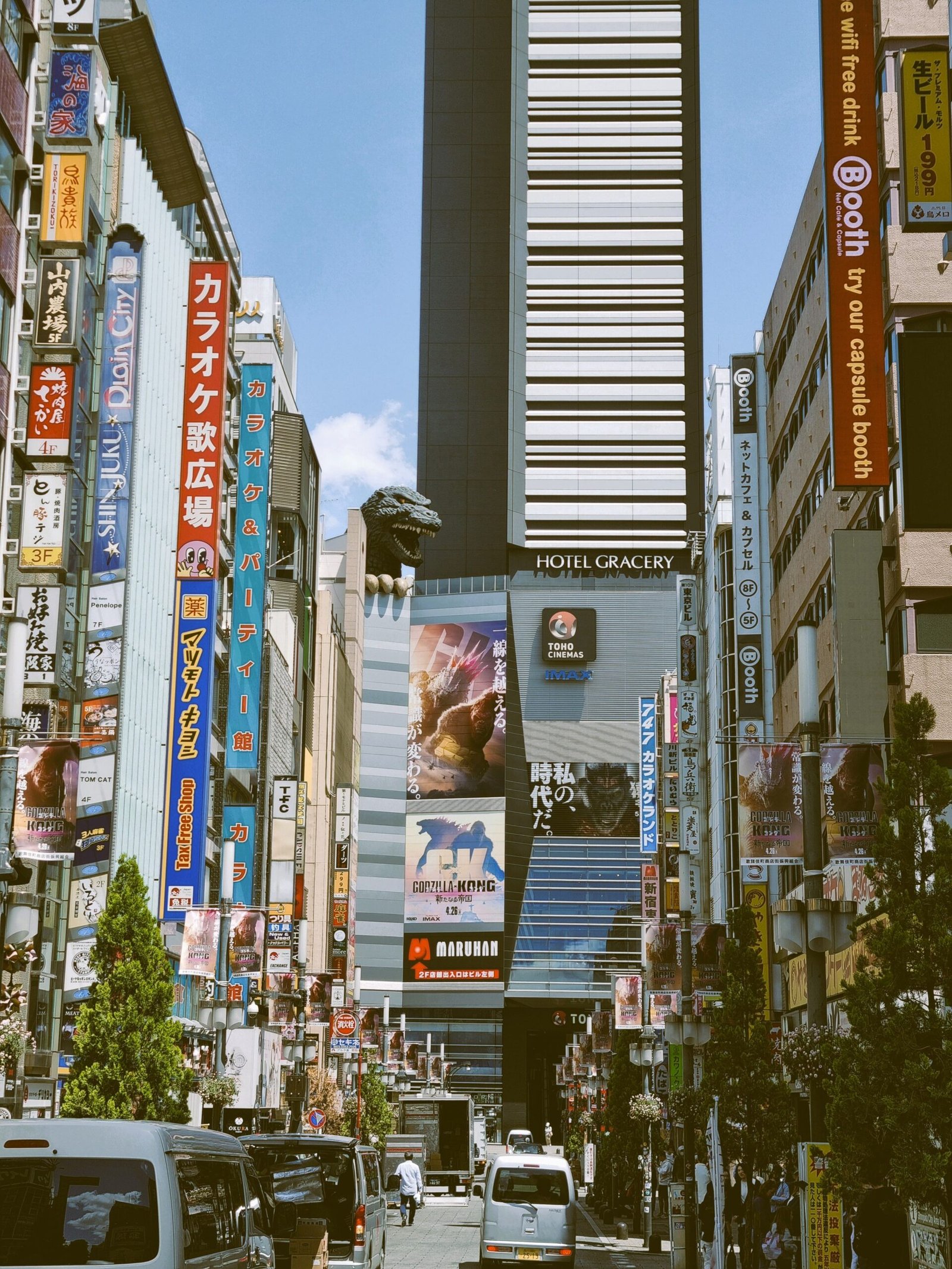

Best Hotels in Tokyo isn’t just a list of beautiful rooms—it’s a shortlist built for digital nomads who need fast, reliable Wi‑Fi, easy transit access, and neighborhoods that make working (and exploring) frictionless. Tokyo is famously efficient, but the “right” hotel can save you hours each week with smarter train connections, more comfortable desk setups, and on-site amenities that suit long stays.
Below, you’ll find the best bases for remote work—from polished business hotels with quiet rooms to design-forward stays near cafés and coworking hubs. Use this guide to match your work style (deep-focus, meetings-heavy, or hybrid sightseeing) with the neighborhood that fits.
A top-tier Shibuya choice when you want a professional, calm base near Tokyo’s most energetic neighborhood.
› BOOK NOWBest Hotels in Tokyo: Quick Picks
If you’re booking quickly, these are the standouts for work-friendly comfort, strong locations, and consistent service. Each option below is well-suited to digital nomads who want smooth logistics and quiet downtime between calls.
- Shinjuku: Keio Plaza Hotel Tokyo — big rooms by Tokyo standards and excellent rail access.
- Shibuya: Cerulean Tower Tokyu Hotel — polished, quiet, and ideal for meetings-heavy weeks.
- Ginza: The Gate Hotel Tokyo by HULIC — sleek, central, and convenient for business districts.
- Tokyo Station/Marunouchi: Hotel Metropolitan Tokyo Marunouchi — commuter-perfect for day trips and airport transfers.
- Roppongi: The Prince Gallery Tokyo Kioicho — premium option when you want resort-level comfort in the city.
- Akasaka: Hotel Risveglio Akasaka — boutique vibe and smart value for longer stays.
- Ginza (business-friendly): Hotel Monterey Ginza — reliable midrange base with a calm feel.
Compare hotels on TravelStayMaps to find the best rates.
A sleek Ginza-area base that keeps you central and efficient—great for nomads who want convenience without a corporate feel.
› BOOK NOWBest Hotels in Tokyo by Neighborhood
Tokyo is a city of “micro-bases.” Two hotels can be the same distance on a map and still feel worlds apart in commute time and daily rhythm. Here’s how to pick the right area—then we’ll match you with the best hotels in Tokyo for each style.
- Shinjuku: Best for transit power (JR lines + multiple subways), late-night food, and fast citywide access.
- Shibuya: Best for café culture, creative energy, and walkability—great if you like to work in different spots daily.
- Ginza: Best for a polished, central base near offices, upscale dining, and easy connections without the chaos.
- Tokyo Station / Marunouchi: Best for Shinkansen day trips (Kyoto, Osaka, Nikko access via transfers) and airport convenience.
- Akasaka / Kioicho: Best for a calmer “weekday Tokyo” feel with strong subway access and fewer crowds.
- Roppongi: Best for international dining, nightlife, and higher-end hotels with strong English support.
Nomad note: If your schedule includes frequent meetings across the city, prioritize rail simplicity over vibe. A hotel near a major hub (Shinjuku, Tokyo Station) often beats a trendier block when you’re commuting daily.
A practical Tokyo Station base for remote workers who want maximum mobility and a quieter, business-oriented environment.
› BOOK NOWBest Hotels in Tokyo for Digital Nomads
These picks emphasize the stuff that matters when Tokyo is your office: stable Wi‑Fi, quiet rooms, comfortable beds for recovery, and locations that reduce friction. Prices vary wildly by season and weekday/weekend, so treat price ranges as relative.
Keio Plaza Hotel Tokyo (Shinjuku)
A classic Shinjuku business-luxury hotel that works especially well for digital nomads who want maximum transit access and a predictable, comfortable stay. Rooms are generally larger than many central Tokyo alternatives, which matters when you’re taking calls and working from your room.
- Best for: First-time nomads in Tokyo, heavy commuting weeks, longer stays
- Work-friendly perks: Strong business infrastructure, quiet rooms, solid desk setups in many categories
- Local advantage: Shinjuku’s connections make citywide meetups and day trips easier
Cerulean Tower Tokyu Hotel (Shibuya)
If you want Shibuya energy without sacrificing sleep, this is one of the safest “book it and focus” choices. It’s polished, professional, and ideal for nomads who have a lot of Zoom calls and want a calmer, more insulated hotel feel near the action.
- Best for: Client calls, hybrid business + leisure, travelers who value quiet
- Work-friendly perks: Businesslike atmosphere, strong service, comfortable rooms that feel meeting-ready
- Local advantage: Close to Shibuya Station for quick transfers across Tokyo
Compare hotels on TravelStayMaps to find the best rates.
The Gate Hotel Tokyo by HULIC (Ginza/Yurakucho)
Modern, stylish, and extremely convenient—especially if you like a central base with an “easy in, easy out” rhythm. Ginza can be surprisingly efficient for nomads: it’s walkable, well-lit, and connected, with plenty of cafés and quieter streets compared with Shibuya.
- Best for: Clean design, central location, short stays with a lot of city exploring
- Work-friendly perks: Calm vibe, comfortable rooms, easy access to business districts
- Local advantage: Great for evenings—restaurants, department stores, and quick subway hops
Hotel Metropolitan Tokyo Marunouchi (Tokyo Station/Marunouchi)
For nomads who plan to explore beyond Tokyo between work blocks, Tokyo Station is a cheat code. This hotel’s biggest advantage is logistical: you can finish work, hop a Shinkansen, and be on a day trip with minimal effort.
- Best for: Remote workers planning day trips, airport-to-hotel simplicity, short commutes
- Work-friendly perks: Quiet business area vibe, strong transit connections, consistent standards
- Local advantage: Marunouchi is clean, walkable, and calmer at night than entertainment hubs
The Prince Gallery Tokyo Kioicho (Kioicho/Akasaka area)
A premium pick when you want Tokyo efficiency with true “reset” energy. If you’re doing intense work sprints, the comfort level here can be worth it—think better sleep, more space, and a more restorative overall experience than typical central hotels.
- Best for: Deep-focus work weeks, celebration stays, travelers who value wellness and comfort
- Work-friendly perks: Quiet, high-service environment; a strong choice if you work from the hotel often
- Local advantage: Excellent subway access without the sensory overload of the busiest hubs
Hotel Risveglio Akasaka (Akasaka)
This boutique-leaning option is a smart value for nomads who want a pleasant, stylish base and easy subway access—without paying Ginza/Shibuya premiums. Akasaka is practical: good eats, solid connectivity, and a more “local weekday” feel.
- Best for: Value-focused nomads, longer stays, quieter evenings
- Work-friendly perks: Calm neighborhood, reliable standards, easy commuting
- Local advantage: Less tourist congestion while still being very central
Hotel Monterey Ginza (Ginza)
Dependable, well-located, and a good fit if you like a calmer hotel that still places you in the center of everything. It’s especially useful if you’re splitting your time between meetings and city exploring and don’t want a complicated commute.
- Best for: Consistent midrange comfort, central access, business-friendly vibe
- Work-friendly perks: Quiet feel, practical location for moving around Tokyo efficiently
- Local advantage: Ginza’s connectivity makes it easy to reach multiple districts quickly
Compare hotels on TravelStayMaps to find the best rates.
A luxury reset button for demanding work weeks—excellent comfort, calm surroundings, and top-tier service in a central location.
› BOOK NOWPractical Booking Tips (Wi-Fi, Rooms, Transit)
Tokyo hotels can look similar online, but small details affect your day-to-day productivity. Use these checks to ensure the best hotels in Tokyo also work for your laptop lifestyle.
- Confirm Wi‑Fi expectations: Look for recent reviews mentioning speed and stability. If you do live calls, avoid “Wi‑Fi was fine” ambiguity—search reviews for “Zoom,” “Teams,” or “video calls.”
- Choose a room category with a real desk: Some entry-level rooms trade desk space for compact layouts. Upgrading one category can dramatically improve comfort.
- Prioritize the right station, not just the neighborhood name: “Shinjuku” can still mean a 12–18 minute walk to the platforms. Being close to a specific line you’ll use daily is the real win.
- Plan around your working hours: If you work US/EU time zones, you may be taking calls late. In that case, pick a hotel known for soundproofing and avoid rooms facing major roads.
- Laundry matters for longer stays: If you’re staying a week or more, consider hotels with laundry services or easy nearby coin laundry—packing light helps in Tokyo.
- Watch weekday vs weekend pricing: Business areas can be cheaper on weekends; leisure areas may spike on weekends. Flexible dates can unlock better value.
If you’re building an Asia itinerary, you might also compare city styles with our guide to best hotels in Hong Kong (faster pace, more vertical neighborhoods) or add a quieter Japan stop with best hotels in Hiroshima.
A smart, stylish-value pick for nomads who want a calmer central neighborhood and straightforward city access.
› BOOK NOWFAQs
Which area is best for digital nomads staying in Tokyo?
For most nomads, Shinjuku is the most practical base because it’s a major transit hub. If you prefer cafés and creative energy, Shibuya is excellent—just expect more crowds and higher prices.
Are the best hotels in Tokyo good for working from your room?
Many are, but room category matters. Business-oriented hotels and higher room tiers typically offer better desks and more space. Always scan recent reviews for Wi‑Fi reliability and desk comfort.
Should I stay near Tokyo Station or Shinjuku?
Choose Tokyo Station/Marunouchi if you’ll take multiple day trips by Shinkansen or want a calmer business district at night. Choose Shinjuku if you want the widest range of train lines and a livelier, more food-focused evening scene.
How many nights should a digital nomad stay in one Tokyo hotel?
If you’re working full time, 7–14 nights in one base is ideal to reduce transit friction and avoid losing productivity to check-ins/outs. Tokyo rewards routine—same café, same route, same station entrance.
Do Tokyo hotels allow early check-in or late checkout?
It varies by property and occupancy. Many business-oriented hotels are strict, while upscale hotels are more flexible (sometimes for a fee). If you have a call-heavy day, requesting late checkout in advance is worth it.
Is Ginza too expensive for remote workers?
Ginza can be pricey, but deals appear on weekends and shoulder seasons. The trade-off is convenience: central access can reduce daily transit costs (time and money), which may balance the nightly rate.
A reliable Ginza base that keeps your days efficient and your nights quieter—well-suited for productive Tokyo stays.
› BOOK NOWRecommended Hotels
📍 Shinjuku
A dependable Shinjuku hub hotel ideal for digital nomads who want smooth logistics, solid in-room work setups, and easy citywide access.
👍 Pros
- + Excellent transit access for commuting across Tokyo
- + Rooms often feel larger than many central alternatives
- + Reliable, business-friendly service
👎 Cons
- – Property size can feel busy at peak times
- – Some room styles may feel more classic than trendy
📍 Shibuya
A top-tier Shibuya choice when you want a professional, calm base near Tokyo’s most energetic neighborhood.
👍 Pros
- + Quiet, polished rooms suited to video calls
- + Walkable to Shibuya Station for fast transfers
- + High service standards
👎 Cons
- – Premium pricing compared with smaller boutique options
- – Shibuya surroundings can feel crowded
📍 Ginza / Yurakucho
A sleek Ginza-area base that keeps you central and efficient—great for nomads who want convenience without a corporate feel.
👍 Pros
- + Central location with efficient connections
- + Modern design and comfortable feel
- + Good fit for business + city exploring
👎 Cons
- – Room sizes can be compact in entry categories
- – Gym/spa facilities may be more limited than large luxury hotels
📍 Tokyo Station / Marunouchi
A practical Tokyo Station base for remote workers who want maximum mobility and a quieter, business-oriented environment.
👍 Pros
- + Ideal for Shinkansen day trips and transfers
- + Calmer business district vibe for focused work
- + Consistent comfort for short-to-medium stays
👎 Cons
- – Less nightlife immediately nearby
- – Some rooms may prioritize function over character
📍 Kioicho / Akasaka
A luxury reset button for demanding work weeks—excellent comfort, calm surroundings, and top-tier service in a central location.
👍 Pros
- + High-comfort stay that supports rest and deep focus
- + Excellent service and quieter atmosphere
- + Strong central access without the busiest crowds
👎 Cons
- – Premium price point
- – May be more hotel-centric than neighborhood-centric
📍 Akasaka
A smart, stylish-value pick for nomads who want a calmer central neighborhood and straightforward city access.
👍 Pros
- + Strong value for a central Tokyo base
- + Akasaka is practical and less hectic at night
- + Easy subway access for commuting
👎 Cons
- – Fewer full-service amenities than large hotels
- – Room sizes can be compact
📍 Ginza
A reliable Ginza base that keeps your days efficient and your nights quieter—well-suited for productive Tokyo stays.
👍 Pros
- + Dependable midrange comfort in a central location
- + Calm feel compared with busier entertainment hubs
- + Easy connections to multiple districts
👎 Cons
- – Not as design-forward as newer boutique hotels
- – Amenities may feel simpler than luxury properties
Frequently Asked Questions
Which neighborhoods are best for digital nomads in Tokyo?
Shinjuku is best for pure convenience thanks to unmatched transit connections. Shibuya is ideal if you like café culture and creative energy. Ginza and Marunouchi suit a more businesslike rhythm with easy, central access.
Do Tokyo hotels usually have strong Wi‑Fi for video calls?
Many do, but quality varies by property and even by room. Check recent reviews for mentions of Zoom/Teams calls and consider upgrading to a higher room category for better desk space and stability.
Is it better to stay near Shinjuku Station or Tokyo Station?
Stay near Shinjuku Station for maximum citywide connectivity and nightlife/food options. Stay near Tokyo Station for Shinkansen day trips and a calmer, office-district atmosphere—great for focused work weeks.
How long should I stay in one hotel in Tokyo if I’m working remotely?
A 7–14 night base is ideal for productivity. It reduces time lost to check-ins/outs and helps you build efficient routines around one station and a few go-to work cafés.
Are larger rooms worth paying for in Tokyo?
If you work from your room, yes. Tokyo rooms can be compact, and the upgrade can significantly improve comfort for calls, posture, and long work sessions—especially in business-oriented hotels.
What’s the best way to save money on Tokyo hotels without sacrificing location?
Compare weekday vs weekend rates, consider business districts (Marunouchi/Akasaka) for calmer pricing patterns, and prioritize proximity to the train line you’ll use most—being near the right station can save both time and transit costs.
