
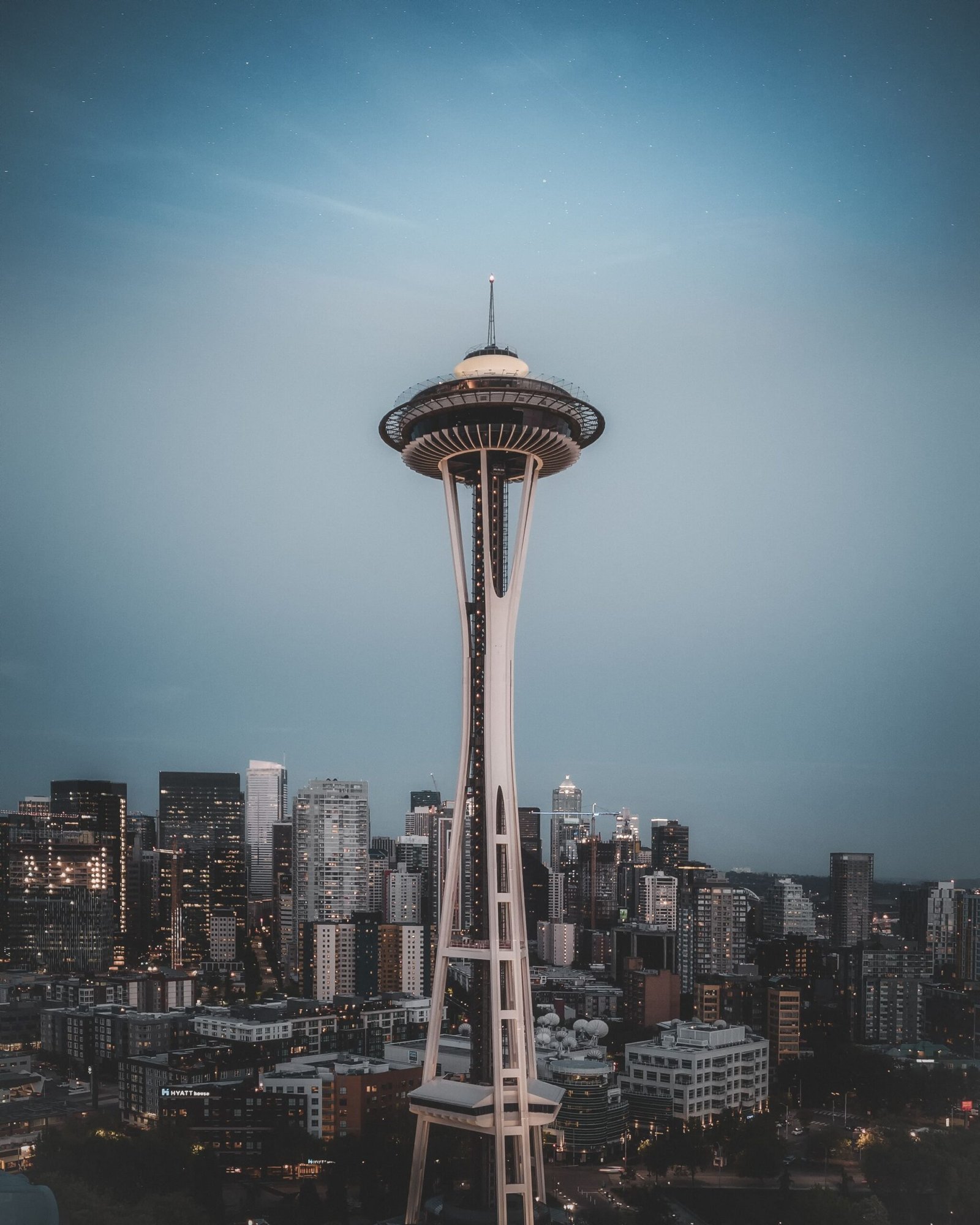

Choosing the best hotels in Seattle comes down to two things: the neighborhood vibe you want (waterfront views, nightlife, museums, or a quieter local feel) and how you plan to get around (walking, light rail, ferries, or rideshare). Seattle is compact in its core, but hills, bridges, and micro-neighborhoods can make “close” feel farther than it looks on a map—so picking the right base can save you time, money, and a lot of uphill sweating.
This guide breaks down the best hotels in Seattle by area, with practical tips on transportation, seasonal pricing, and smart ways to stretch your budget—without sacrificing the Seattle experience (coffee, views, and easy access to Pike Place Market and the waterfront).
Compare hotels across these neighborhoods on TravelStayMaps to find the best rates and availability.
A chic, design-forward hotel steps from the market and downtown highlights. Ideal for travelers who want to be in the middle of the action with a modern, boutique vibe.
› BOOK NOWBest Hotels in Seattle: Quick Picks
If you want a fast shortlist of the best hotels in Seattle, start here:
- Best overall luxury: Four Seasons Hotel Seattle (Downtown waterfront edge)
- Best boutique splurge: Thompson Seattle (Pike Place area)
- Best design-forward downtown: Hotel Theodore (Downtown)
- Best for business/extended stays: Pan Pacific Seattle (South Lake Union)
- Best for nightlife & culture: The Sorrento Hotel (First Hill/Capitol Hill edge)
- Best value in a prime zone: Mediterranean Inn (Lower Queen Anne/Uptown)
- Best budget-friendly with easy transit: Staypineapple, University Inn (University District)
Seattle rates swing hard by season. Summer (June–September) and peak event weekends book early and price high; late fall through early spring often brings the best deals—especially if you’re okay with moody weather and cozy indoor plans.
A sophisticated downtown hotel that balances comfort, style, and convenience. Great for visitors who want a walkable base near shopping, dining, and major attractions.
› BOOK NOWBest Areas for the Best Hotels in Seattle
Seattle’s core is compact, but choosing the right neighborhood makes a noticeable difference in walkability, vibe, and nightly cost. Here’s how to pick the best fit:
- Downtown & Belltown: Best for first-timers who want to walk to major sights, restaurants, and shopping.
- Pike Place & Waterfront: Best for postcard Seattle—market mornings, ferries, sunsets, and views.
- South Lake Union: Best for modern hotels, lakefront runs, and quick links to downtown (often calmer at night).
- Capitol Hill: Best for nightlife, coffee culture, record stores, and a more local, creative feel.
- Lower Queen Anne / Uptown: Best for Seattle Center, shows, arenas, and good-value hotels within reach of downtown.
- University District: Best for budget stays with light rail access and a youthful food scene.
A comfortable, contemporary option with a calm vibe and strong amenities. A smart pick if you prefer newer hotels and a slightly quieter neighborhood than downtown.
› BOOK NOWDowntown & Belltown (Central, Walkable, Great for First Timers)
Downtown is Seattle’s most convenient base: you’re close to Pike Place Market, the waterfront piers, shopping, and plenty of transit connections. Belltown (northwest of the retail core) adds more nightlife, cocktail bars, and restaurants—often with a slightly trendier feel.
Who this area is best for
- First-time visitors who want to walk most places
- Short trips (2–4 days) where convenience matters
- Travelers relying on public transit and airport links
Watch-outs
- Hills: Seattle grades can be steep; check walking routes if mobility is a concern.
- Parking: Expensive and sometimes tight—budget for valet or choose a hotel with a clear parking plan.
- Street activity: Like many major downtowns, some blocks can feel gritty late at night; stick to well-lit routes.
Hotel match: If you want a polished downtown base near dining and shopping, Hotel Theodore is a strong pick. For a full luxury experience with water views and top-tier service, Four Seasons is hard to beat.
Compare hotels across these neighborhoods on TravelStayMaps to find the best rates and availability.
A classic Seattle boutique hotel with a storied feel and an excellent location between downtown and Capitol Hill. Best for travelers who value atmosphere and local character over ultra-modern minimalism.
› BOOK NOWPike Place & Waterfront (Views, Ferries, Iconic Seattle)
If your dream Seattle morning starts with coffee and a stroll through Pike Place Market, this is your zone. Staying near the market and waterfront puts you close to the Seattle Great Wheel, ferry terminals (hello, Bainbridge Island day trip), and some of the city’s most scenic walks—especially around golden hour.
Why stay here
- Best “Seattle” atmosphere: Market energy, bay breezes, and immediate access to piers
- Easy day trips: Walk to ferries and waterfront tours
- Great for foodies: Early market runs, seafood spots, and nearby dining
Practical tip
Ask for a higher-floor room if you’re sensitive to noise—Pike Place-adjacent blocks can be lively, especially in summer. Also, be realistic about hauling luggage: some sidewalks are narrow and sloped.
Hotel match: Thompson Seattle delivers a stylish boutique vibe close to the action; Four Seasons sits slightly south on the downtown edge with strong waterfront proximity and a calmer feel.
A dependable, budget-friendly favorite with an excellent location near Seattle Center. Ideal if you want to keep costs in check while staying within easy reach of downtown highlights.
› BOOK NOWSouth Lake Union (Modern, Tech Hub, Lakefront Walks)
South Lake Union (SLU) is sleek, modern, and practical. You’ll find newer hotels, convenient amenities, and an easy path into downtown—plus the lakefront trail is excellent for morning walks. It’s a strong choice for business travelers or anyone who prefers a quieter evening scene.
Why travelers love SLU
- Newer rooms: Often larger and more contemporary than older downtown stock
- Good connectivity: Quick rides to downtown and Capitol Hill
- Lake access: Scenic paths and a calmer pace
Good to know
Restaurants here skew lunch-and-after-work; for a bigger nightlife scene, you’ll likely head to Capitol Hill or Belltown.
Hotel match: Pan Pacific Seattle is a standout for comfort and longer stays, with easy access to SLU and downtown.
A solid value pick in the U-District with convenient access to the university and light rail connections. Best for budget-minded travelers who don’t mind commuting into downtown.
› BOOK NOWCapitol Hill (Nightlife, Food, Indie Seattle)
Capitol Hill is where Seattle’s personality shows up loudest: cocktail dens, music venues, coffee shops, bookstores, and late-night eats. If you want to spend your evenings exploring bars and restaurants (and get home without a long ride), it’s one of the best places to stay.
Who it’s best for
- Nightlife lovers and food-focused travelers
- Visitors who enjoy neighborhoods with local energy
- Anyone who values quick access to downtown without being in the retail core
Noise & comfort tip
Choose a hotel or room positioned away from major nightlife corridors if you’re a light sleeper. If you’re staying on the edge (First Hill), you get a quieter base while still being close.
Hotel match: The Sorrento Hotel sits on the Capitol Hill/First Hill edge—an atmospheric, classic Seattle stay with a grown-up feel.
Lower Queen Anne / Uptown (Seattle Center & Space Needle)
Lower Queen Anne (often called Uptown) is anchored by Seattle Center—home to the Space Needle, MoPOP, and major events. It’s also a smart-value area when downtown prices spike, and it’s very manageable to reach the waterfront or downtown by transit or rideshare.
Why stay here
- Best for events: Perfect for concerts, games, and festivals at Seattle Center
- Value: Often better nightly rates than Pike Place-adjacent hotels
- Easy dining: Plenty of casual eats and coffee options
Local tip
If you’re planning a show night, this neighborhood can save you serious time (and surge pricing). Also, it’s a good base if you’d rather avoid downtown parking logistics and walk to your main attraction.
Hotel match: Mediterranean Inn is a reliably solid choice with a great location-to-price ratio.
University District (Value, Student Energy, Transit Access)
The University District (U-District) is a practical pick for travelers who want better value and fast access to the city via Link light rail. The vibe is youthful and casual, with international eats, affordable cafes, and a steady buzz during the academic year.
Best for
- Budget-conscious travelers who still want easy transit
- Campus visits and events
- Longer stays where saving on lodging matters
Transit tip
Link light rail is your friend here—especially for airport connections and downtown access without paying downtown parking rates.
Hotel match: Staypineapple, University Inn is a personable, good-value option with a convenient location.
Budget Tips for Seattle Hotels
- Travel shoulder season: Late October through March often brings lower room rates (excluding holidays and big event weekends).
- Stay slightly outside the core: SLU, Uptown, and the U-District can be noticeably cheaper than Pike Place-adjacent blocks.
- Use light rail strategically: If you’re comfortable with transit, you can trade a longer commute for significant savings.
- Watch parking fees: Downtown valet can add a hefty daily cost. If you need a car for day trips, consider renting only for the days you’ll leave the city.
- Request midweek rates: Some hotels see softer demand Sunday–Thursday (varies by season and convention calendar).
If you’re planning a multi-city trip, you can compare styles and price strategies with guides like best hotels in San Diego for beach-city vibes or best hotels in London for neighborhood-based planning. For a high-energy mega-city comparison, see best hotels in Dubai.
Getting Around Seattle (Transit, Parking, Airport)
From SEA Airport to the city
- Link light rail: Typically the simplest and most cost-effective way to reach downtown/Capitol Hill/U-District without traffic stress.
- Rideshare/taxi: Convenient for door-to-door travel, but can be slower in peak traffic and more expensive.
Getting around neighborhoods
- Walking: Great within downtown, Belltown, Pike Place, and Capitol Hill—just plan for hills.
- Public transit: Buses fill in the gaps where rail doesn’t go; use real-time arrivals and be mindful of service changes at night.
- Monorail: A fun, quick hop between Westlake (downtown) and Seattle Center.
- Ferries: Ideal for an easy day trip—Bainbridge Island is the classic. Walk-on is often easiest.
Parking strategy
If your itinerary is mostly city-based, consider skipping a car. Seattle’s hotel parking fees add up fast, and you can rent a car for a single day to explore Mount Rainier, Snoqualmie Falls, or Woodinville wine country.
FAQs
Where should I stay for a first trip to Seattle?
For a first visit, Downtown or Belltown is usually the easiest choice because you can walk to Pike Place Market, the waterfront, shopping, and many top restaurants. If you want iconic views and early market access, prioritize Pike Place & Waterfront. If your goal is nightlife and dining, consider Capitol Hill (or the quieter First Hill edge).
What’s the best area to stay in Seattle without a car?
Downtown/Belltown, Pike Place & Waterfront, and Capitol Hill are the most convenient without a car. They’re walkable and well connected by transit. South Lake Union also works well, especially if you like newer hotels and don’t mind taking a short ride into the downtown core.
Are Seattle hotels expensive?
Seattle can be pricey, particularly in summer and during major events or convention weeks. You’ll generally find better value in the shoulder season (late fall through early spring) and in neighborhoods just outside the most tourist-heavy blocks, like South Lake Union, Uptown (Lower Queen Anne), and the University District.
Is it better to stay near Pike Place Market?
If this is your first time and you want the classic Seattle experience—market mornings, waterfront walks, ferries, and central sightseeing—staying near Pike Place Market is a great move. The trade-offs are higher nightly rates and potentially more street noise. If you prefer calmer evenings and sometimes better pricing, Downtown (slightly inland) or South Lake Union can be a smart alternative.
Which Seattle neighborhood is best for nightlife?
Capitol Hill is the top nightlife neighborhood, with a dense mix of bars, clubs, music venues, and late-night food. Belltown is a strong runner-up for cocktail bars and restaurants, especially if you want to stay closer to the downtown core.
How many days do I need in Seattle?
Three days is a sweet spot for most travelers: one day for Pike Place and the waterfront, one for Seattle Center/museums and neighborhoods like Capitol Hill, and one for a day trip (Bainbridge Island is the easiest, or you can go farther for mountains and waterfalls). With 4–5 days, you can slow down and add more neighborhoods, parks, and a longer nature day.
Final Thoughts
The best hotels in Seattle aren’t just about star ratings—they’re about matching your neighborhood to your trip style. If you want maximum convenience, pick Downtown/Belltown. For iconic views and ferry access, stay near Pike Place & the Waterfront. For modern comfort and a calmer base, South Lake Union delivers. For nightlife and local flavor, choose Capitol Hill, and for value near major venues, Uptown is a savvy call.
Compare hotels across these neighborhoods on TravelStayMaps to find the best rates and availability.
Once you’ve chosen your area, book early for summer weekends, check parking costs before committing, and plan around Seattle’s hills and transit—those small details make a big difference in how easy (and affordable) your stay feels.
Recommended Hotels
📍 Downtown / Waterfront Edge
A top-tier luxury stay with an ideal downtown-meets-waterfront location. Expect polished rooms, strong dining, and a serene feel that’s perfect after a full day exploring central Seattle.
👍 Pros
- + Prime location near waterfront and Pike Place
- + Exceptional service and high-end comfort
- + Great views from many rooms
👎 Cons
- – Premium pricing in peak season
- – Valet parking can be expensive
📍 Pike Place / Downtown
A chic, design-forward hotel steps from the market and downtown highlights. Ideal for travelers who want to be in the middle of the action with a modern, boutique vibe.
👍 Pros
- + Excellent base near Pike Place Market
- + Stylish boutique design
- + Great food-and-drink scene on-site/nearby
👎 Cons
- – Some rooms can feel compact
- – Street noise possible on lower floors
📍 Downtown
A sophisticated downtown hotel that balances comfort, style, and convenience. Great for visitors who want a walkable base near shopping, dining, and major attractions.
👍 Pros
- + Central location for walking and transit
- + Well-designed rooms with a classic-modern feel
- + Strong option for first-timers
👎 Cons
- – Parking fees can add up
- – City-center bustle may not suit light sleepers
📍 South Lake Union
A comfortable, contemporary option with a calm vibe and strong amenities. A smart pick if you prefer newer hotels and a slightly quieter neighborhood than downtown.
👍 Pros
- + Spacious, modern rooms
- + Excellent for business and longer stays
- + Easy access to SLU and downtown
👎 Cons
- – Not as lively at night as Capitol Hill/Belltown
- – Some attractions require a short ride
📍 First Hill / Capitol Hill Edge
A classic Seattle boutique hotel with a storied feel and an excellent location between downtown and Capitol Hill. Best for travelers who value atmosphere and local character over ultra-modern minimalism.
👍 Pros
- + Historic character and boutique atmosphere
- + Great access to Capitol Hill dining/nightlife
- + Memorable common spaces and bar scene
👎 Cons
- – Older building layout may not suit everyone
- – Some rooms vary in size and configuration
📍 Lower Queen Anne / Uptown
A dependable, budget-friendly favorite with an excellent location near Seattle Center. Ideal if you want to keep costs in check while staying within easy reach of downtown highlights.
👍 Pros
- + Great value near Seattle Center
- + Easy access to events and attractions
- + Practical amenities for longer stays
👎 Cons
- – Not right on the waterfront
- – Dated touches in some areas
📍 University District
A solid value pick in the U-District with convenient access to the university and light rail connections. Best for budget-minded travelers who don’t mind commuting into downtown.
👍 Pros
- + Good value for Seattle
- + Easy access to campus and transit
- + Friendly, casual vibe
👎 Cons
- – Farther from downtown sightseeing (requires transit)
- – Neighborhood is busier during school-year peaks
Frequently Asked Questions
What is the best area to stay in Seattle?
For most travelers, Downtown or Belltown is the best all-around area because it’s walkable to Pike Place Market, the waterfront, restaurants, and major transit connections. If you want the most iconic scenery and ferry access, Pike Place & Waterfront is ideal. For nightlife and a more local feel, Capitol Hill is the top choice.
What are the best hotels in Seattle for first-time visitors?
First-timers usually do best in Downtown/Belltown or near Pike Place for easy walking access to Seattle’s headline sights. Hotels like Hotel Theodore (central downtown) are great for convenience, while Thompson Seattle is excellent if you want a boutique stay close to Pike Place Market.
Which Seattle neighborhood is best for luxury hotels?
Downtown near the waterfront is Seattle’s strongest luxury zone, combining views, high-end dining, and proximity to Pike Place Market. Four Seasons Hotel Seattle is a standout for upscale service, comfort, and a prime location.
Where should I stay in Seattle without renting a car?
Downtown/Belltown, Pike Place & Waterfront, and Capitol Hill are all strong without-car choices thanks to walkability and transit access. If you’re arriving via SEA Airport, areas near Link light rail stations (Downtown, Capitol Hill, and the University District) make airport transfers and day-to-day movement easier.
When is the cheapest time to book hotels in Seattle?
You’ll often find the best prices in late fall through early spring, when demand drops (excluding holiday periods and major event weekends). Summer is typically the most expensive season, so booking well ahead—or staying in areas like Uptown or the U-District—can help lower costs.
Is it worth staying near Pike Place Market?
Yes if you want to maximize time at the market and the waterfront and love being in the center of the action. The trade-offs are higher prices and potential noise, so consider a higher-floor room or nearby Downtown/South Lake Union if you want something slightly calmer.
