

Choosing the best hotels in Tokyo can feel overwhelming on a first visit: the city is huge, neighborhoods are distinct, and a “great deal” isn’t great if you’re an hour from the sights you planned to see. This guide narrows the decision fast with handpicked stays in the most convenient, first-timer-friendly areas—so you can spend less time commuting and more time eating, shopping, and exploring.
Below you’ll find the best hotels in Tokyo across a range of budgets and vibes, plus quick neighborhood guidance (Shinjuku vs Shibuya vs Ginza), practical booking tips, and FAQs for first-time visitors.
A top-tier luxury choice with a central, first-timer-friendly location and consistently excellent service.
› BOOK NOWBest Hotels in Tokyo: Quick Picks
If you want the fastest path to the right stay, start here. These picks represent the most common “first trip” needs: easy transit, walkable dining, and a base that makes Tokyo feel manageable.
- Best all-around base (transit + sightseeing): The Prince Park Tower Tokyo (Shiba Park)
- Best for first-time nightlife + mega-station convenience: Hilton Tokyo (Shinjuku)
- Best modern luxury in a calm-but-central area: HOSHINOYA Tokyo (Otemachi)
- Best value in a prime neighborhood: Hotel Gracery Shinjuku (Shinjuku)
- Best for shopping + polished city vibe: The Peninsula Tokyo (Marunouchi/Hibiya)
- Best for Shibuya energy and views: Cerulean Tower Tokyu Hotel (Shibuya)
- Best for a “classic Tokyo” feel near old-town sights: Asakusa View Hotel (Asakusa)
Compare hotels on TravelStayMaps to find the best rates.
A dependable full-service base in Shinjuku—great for first-time visitors who want convenience and familiar amenities.
› BOOK NOWBest Hotels in Tokyo: Best Areas for First-Timers
Tokyo doesn’t have one single center—think of it as several “mini-cities” connected by world-class rail. For first-time visitors, the best strategy is to choose an area that matches your priorities (sightseeing, shopping, nightlife, or day trips) and stay near a major station.
- Shinjuku: The most convenient “hub” feeling. Massive station (many lines), easy day trips, endless food, and big-name hotels. Great if you want simple logistics.
- Shibuya: Youthful energy, shopping, and a fun first-Tokyo vibe. Excellent for nightlife and walking to Harajuku/Omotesando.
- Ginza/Marunouchi/Hibiya: Polished, upscale, and very central for business districts, Tokyo Station access, and easy airport transfers. Quieter at night than Shinjuku/Shibuya.
- Asakusa: Traditional atmosphere, great for temples and a slower pace. Excellent value and a memorable “old Tokyo” setting—though it’s a bit farther from some west-side neighborhoods.
- Shiba Park/Roppongi-adjacent: A sweet spot for first-timers who want calm evenings, greenery, and iconic skyline views (including Tokyo Tower), with good metro access.
First-timer shortcut: If you’re doing a classic Tokyo itinerary (Shinjuku, Shibuya, Asakusa, Ginza), staying near Shinjuku, Tokyo Station area, or Shiba Park keeps travel time reasonable in every direction.
A smart-value pick in the heart of Shinjuku for first-timers who want to maximize time and minimize transit hassle.
› BOOK NOWBest Hotels in Tokyo: 7 Top Stays
These best hotels in Tokyo are chosen for first-time visitors who want reliable comfort, strong locations, and a Tokyo experience that matches the price—whether you’re looking for a statement stay or a smart-value base.
HOSHINOYA Tokyo (Otemachi)
A modern ryokan concept in the heart of the city: serene interiors, thoughtful hospitality, and an onsen-style experience that feels like a reset button after long days on your feet. Otemachi is extremely convenient for Tokyo Station access (including shinkansen connections) while staying calmer than the nightlife hubs.
- Best for: First-timers who want something uniquely Japanese without leaving central Tokyo
- Getting around: Excellent metro connectivity; easy access to Ginza and Tokyo Station
- What to know: It’s intentionally tranquil—this is not a “buzzing lobby” kind of place
The Peninsula Tokyo (Marunouchi/Hibiya)
For a first trip where you want polished luxury, top-tier service, and a location that simplifies logistics, The Peninsula is hard to beat. You’re steps from upscale shopping, parks, and major transit, with a refined atmosphere that feels like a sanctuary from the city’s pace.
- Best for: Couples, milestone trips, and travelers who prioritize service and comfort
- Neighborhood vibe: Elegant and central; great for shopping and dining
- What to know: Premium pricing—book early if traveling in peak seasons
Hilton Tokyo (Shinjuku)
One of the easiest bases for first-time visitors who want the “Tokyo mega-city” experience while keeping transport straightforward. Shinjuku is packed with food options and rail connections, and the hotel delivers consistent international standards—useful if you want fewer surprises on your first Japan trip.
- Best for: Convenience, points/status travelers, and a reliable full-service stay
- Getting around: Strong access to lines for Shibuya, Harajuku, and beyond
- What to know: Shinjuku can be intense at night—great energy, but not “quiet neighborhood” calm
Hotel Gracery Shinjuku (Shinjuku)
Often recommended for first-time visitors who want to be in the middle of the action without paying luxury prices. Rooms are compact (common in Tokyo), but the location is a major win for dining, nightlife, and late-night convenience stores.
- Best for: Value-focused travelers who still want a prime base
- Location advantage: Walkable to huge food streets and transport
- What to know: Expect smaller rooms—pack smart, and consider baggage-forwarding if you’re touring Japan
Compare hotels on TravelStayMaps to find the best rates.
Cerulean Tower Tokyu Hotel (Shibuya)
If you want Shibuya at your doorstep but prefer an upscale, grown-up feel once you step inside, Cerulean Tower delivers. It’s a strong pick for first-time visitors who plan to shop, explore trendy neighborhoods, and enjoy city views at night.
- Best for: Shibuya lovers, shoppers, and travelers who want a premium but not stuffy hotel
- Neighborhood vibe: Energetic and modern with excellent people-watching
- What to know: Shibuya is busy—request a higher floor for a quieter feel
The Prince Park Tower Tokyo (Shiba Park)
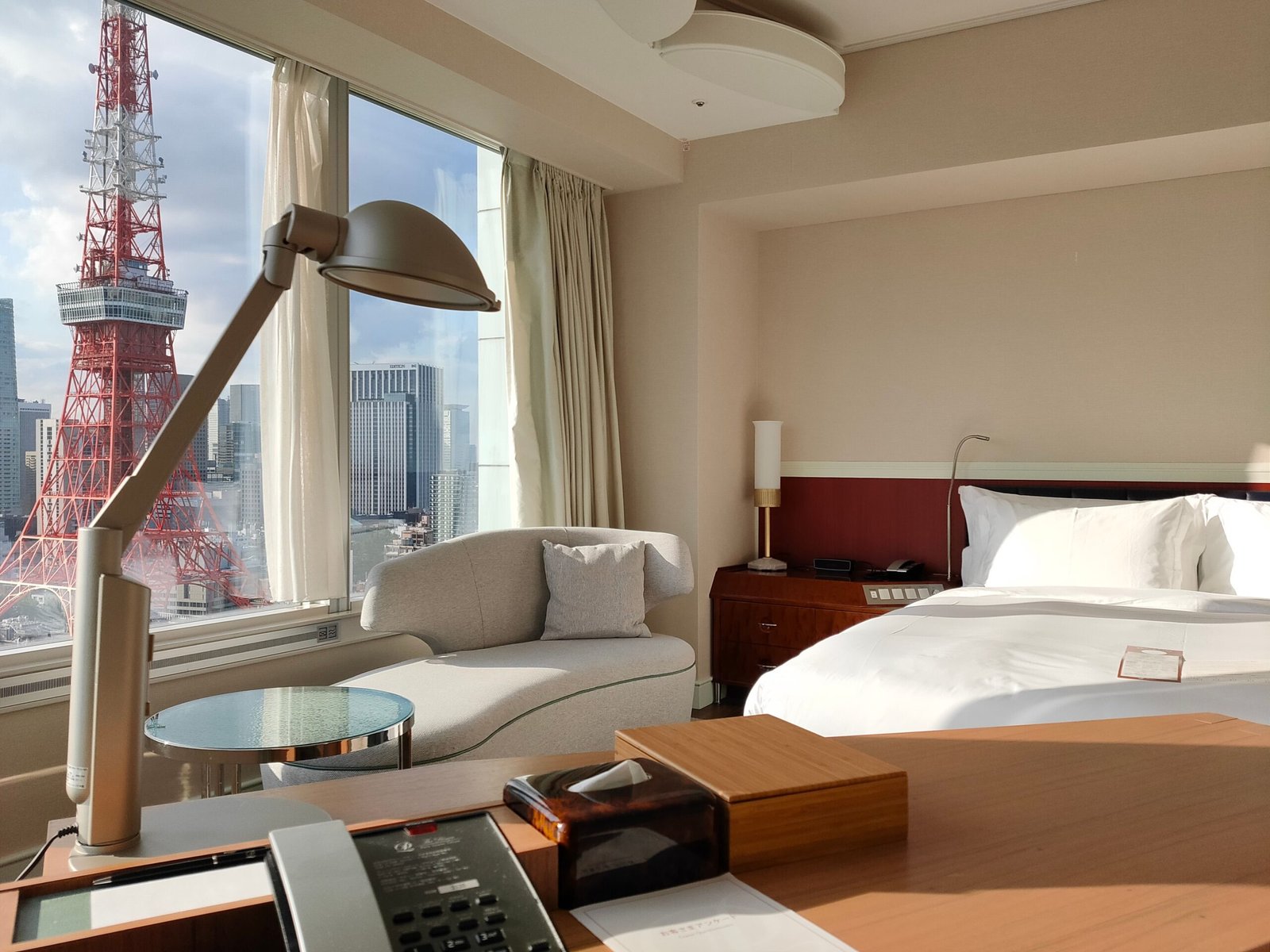
A standout option for first-time visitors who want postcard Tokyo Tower views, a calmer atmosphere, and easy metro access. Shiba Park is greener and more relaxed than Shinjuku or Shibuya, yet still very practical for sightseeing.
- Best for: Skyline views, a quieter base, and a “Tokyo Tower moment”
- Location advantage: Great for splitting time between east and west Tokyo
- What to know: Prioritize a tower-view room category if that’s your must-have
Asakusa View Hotel (Asakusa)
Asakusa is a classic first-time Tokyo neighborhood for culture and atmosphere, and this hotel is a practical anchor nearby. It’s especially appealing if you want easy access to temples, traditional streets, and an early start before day-trippers arrive.
- Best for: Traditional Tokyo vibes and good-value stays with straightforward comfort
- Neighborhood vibe: Historic and lively during the day, calmer at night
- What to know: It’s not as central for nightlife-heavy plans in Shinjuku/Shibuya
Compare hotels on TravelStayMaps to find the best rates.
A premium Shibuya stay that balances energetic location with a polished, comfortable hotel experience.
› BOOK NOWBest Hotels in Tokyo: Booking Tips for First-Time Visitors
Tokyo is efficient, but hotel choices can still trip up first-timers. Use these tips to book smarter and avoid the most common “I wish I knew that” moments.
- Choose your station before your hotel: In Tokyo, a 10–12 minute walk to the train can feel long after a full day. Staying closer to a station is often worth paying slightly more.
- Room size matters (a lot): Many standard rooms are compact. If you’re traveling with two large suitcases, consider upgrading a room category or picking a hotel known for larger rooms.
- Prioritize non-smoking rooms early: Non-smoking inventory can sell out first, especially in popular business hotels and peak travel periods.
- Check what “city view” actually means: Some rooms face adjacent buildings. If views are important, book a specific view category (e.g., Tokyo Tower view) rather than hoping for luck.
- Plan around your arrival: If you land late, Shinjuku and Tokyo Station areas can be easier for straightforward transfers and late-night food options.
- Use luggage forwarding if moving around Japan: It’s a game-changer if you’re taking trains and don’t want to haul bags through stations during rush hour.
If you’re also planning other Asia city breaks, you may like our guide to best hotels in Hong Kong for a similarly fast-paced, transit-friendly destination.
A standout first-timer hotel for skyline views and a calmer base while staying well-connected.
› BOOK NOWBest Hotels in Tokyo: FAQs
What area is best for first-time visitors to stay in Tokyo?
For most first-time visitors, Shinjuku is the easiest base because it’s a major transport hub with tons of dining. If you prefer a calmer, more polished feel, consider the Ginza/Marunouchi/Hibiya area. For traditional atmosphere, Asakusa is a great choice.
How many nights should I stay in Tokyo?
A solid first trip is 4 to 6 nights. That gives you time for key neighborhoods (Shinjuku, Shibuya, Asakusa, Ginza) plus a day trip (like Hakone or Nikko) without rushing.
Are Tokyo hotel rooms really small?
Many are, especially in business and midrange hotels. If space matters, look for higher room categories, newer towers, or international brands that tend to offer more generous layouts.
Is it better to stay near Tokyo Station or Shinjuku Station?
Tokyo Station area is excellent for shinkansen connections and a central, upscale vibe. Shinjuku is better for nightlife, late-night food, and a “big Tokyo” atmosphere. Both are convenient—choose based on your itinerary style.
Do I need a hotel with breakfast in Tokyo?
Not necessarily. Tokyo has outstanding breakfast options (bakeries, cafes, convenience stores, and market-style spots). Hotel breakfast can be convenient, but it’s often worth exploring local options at least a few mornings.
When is the best time to book hotels in Tokyo?
For peak seasons (spring cherry blossoms and autumn foliage), book as early as possible—often 3–6 months ahead for the best mix of price and choice. Weekends and holidays can raise rates quickly.
A practical, good-value hotel for first-time visitors who want traditional Tokyo atmosphere near major cultural landmarks.
› BOOK NOWRecommended Hotels
📍 Otemachi
A serene, high-end ryokan-style stay in the city center—ideal for first-timers who want a distinctly Japanese experience without leaving Tokyo’s core.
👍 Pros
- + Unique ryokan feel in central Tokyo
- + Peaceful atmosphere for recharging
- + Excellent access to Tokyo Station area
👎 Cons
- – Premium pricing
- – Less nightlife in the immediate area
📍 Marunouchi/Hibiya
A top-tier luxury choice with a central, first-timer-friendly location and consistently excellent service.
👍 Pros
- + Exceptional service
- + Ultra-central for transit and shopping
- + Refined, quiet feel inside
👎 Cons
- – One of the pricier options
- – Upscale vibe may feel formal for some travelers
📍 Shinjuku
A dependable full-service base in Shinjuku—great for first-time visitors who want convenience and familiar amenities.
👍 Pros
- + Reliable international standard
- + Great Shinjuku access for transport
- + Strong on-site facilities
👎 Cons
- – Shinjuku can be busy and intense
- – Some rooms may feel dated depending on category
📍 Shinjuku
A smart-value pick in the heart of Shinjuku for first-timers who want to maximize time and minimize transit hassle.
👍 Pros
- + Excellent value for the location
- + Walkable to dining and nightlife
- + Easy access to stations and late-night conveniences
👎 Cons
- – Rooms are compact
- – Busy area can mean more street noise
📍 Shibuya
A premium Shibuya stay that balances energetic location with a polished, comfortable hotel experience.
👍 Pros
- + Prime Shibuya location with a more upscale feel
- + Great for shopping-focused itineraries
- + Strong city views from higher floors
👎 Cons
- – Shibuya is crowded at peak times
- – Rates can spike on weekends
📍 Shiba Park
A standout first-timer hotel for skyline views and a calmer base while staying well-connected.
👍 Pros
- + Iconic Tokyo Tower views (select rooms)
- + Calmer neighborhood with greenery
- + Good metro access for sightseeing
👎 Cons
- – Best views require specific room categories
- – Less nightlife right outside the door
📍 Asakusa
A practical, good-value hotel for first-time visitors who want traditional Tokyo atmosphere near major cultural landmarks.
👍 Pros
- + Great base for Asakusa’s cultural sights
- + Good value versus many central areas
- + Easy access to traditional neighborhoods
👎 Cons
- – Farther from Shinjuku/Shibuya nightlife
- – Transit times can be longer for west-side plans
Frequently Asked Questions
What area is best for first-time visitors to stay in Tokyo?
Shinjuku is the easiest all-around base for first-timers thanks to major rail connections and endless dining. For a more upscale, central feel, choose Ginza/Marunouchi/Hibiya. For traditional atmosphere, Asakusa is ideal.
How many nights do I need in Tokyo for a first trip?
Plan 4–6 nights to cover the main neighborhoods comfortably and add at least one day trip without rushing.
Are Tokyo hotel rooms small?
Many standard rooms are compact, especially midrange business hotels. If space matters, upgrade room categories or choose properties known for larger layouts.
Is it better to stay near Tokyo Station or Shinjuku Station?
Tokyo Station is best for shinkansen connections and a polished central vibe. Shinjuku is best for nightlife, late-night dining, and hub-like convenience. Both are excellent—match the station to your itinerary.
Should I book a hotel with breakfast in Tokyo?
It’s optional. Tokyo has excellent breakfast outside hotels (cafes, bakeries, convenience stores). Hotel breakfast is convenient, but exploring local options is part of the fun.
When should I book Tokyo hotels for the best prices?
For spring and autumn peak seasons, book 3–6 months ahead. Prices rise quickly for weekends, holidays, and popular events.
