
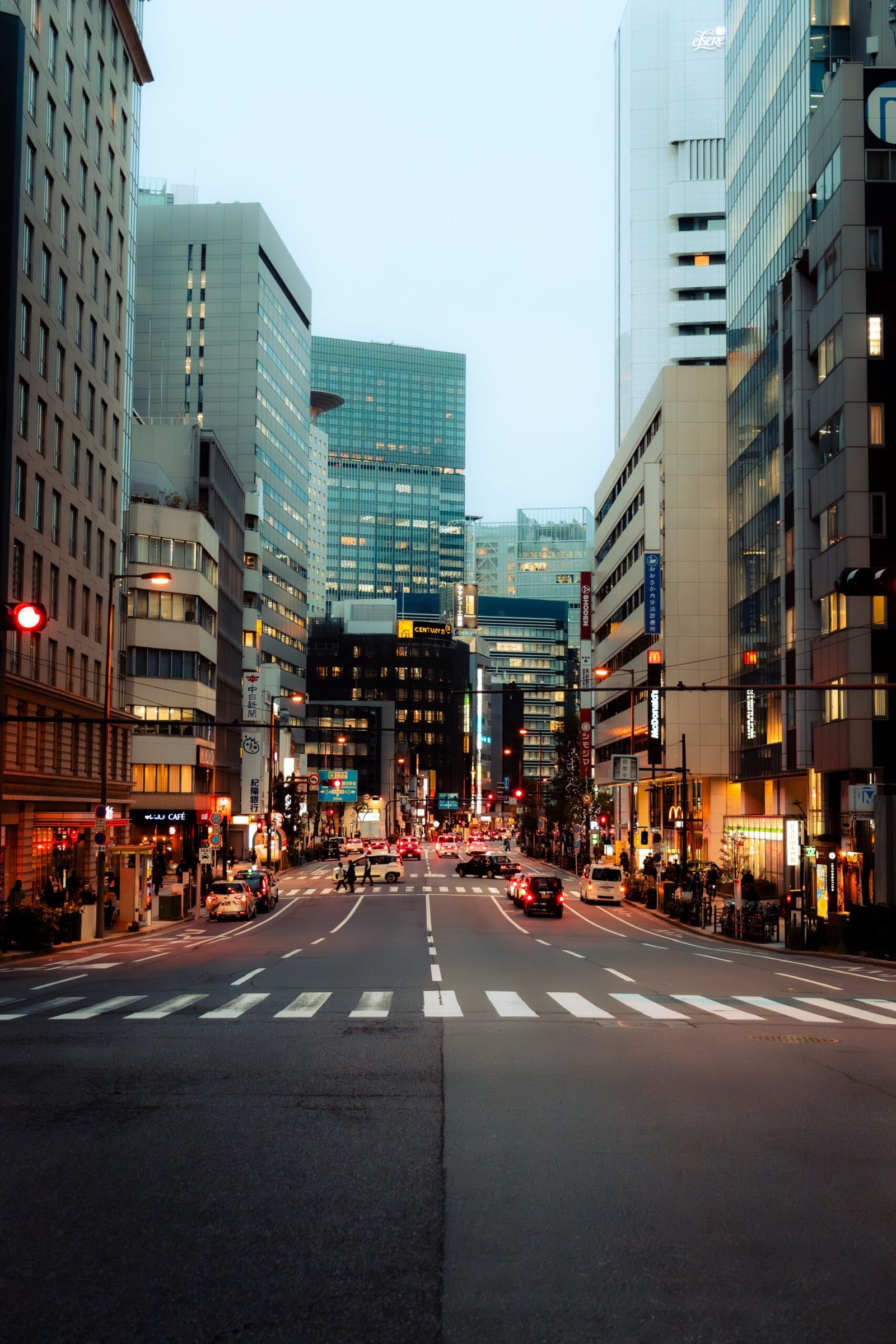

Best Areas to Stay in Tokyo can make or break a budget trip: the right neighborhood saves you time (and yen) on transit, keeps late-night food options close, and puts you near the sights you actually want to see. Tokyo is huge, but it’s also incredibly navigable if you stay near the right train lines—especially the JR Yamanote loop and major metro hubs.
This guide breaks down the best neighborhoods for budget travelers—where you’ll find capsule hotels, clean business hotels, wallet-friendly chains, and great-value hostels—plus what each area is best for (nightlife, day trips, shopping, old-town vibes, or airport access).
A splurge-leaning pick that can still work for budget travelers when you catch a deal—location does a lot of the heavy lifting.
› BOOK NOWBest Areas to Stay in Tokyo: Quick Picks
If you’re planning fast and just want the best match for your style (and budget), here are the standout bases:
- Shinjuku – Best all-around hub for first-timers on a budget: nonstop transit, food, and nightlife.
- Asakusa & Ueno – Best for cheaper stays, traditional atmosphere, and easy access to culture and parks.
- Akihabara & Kanda – Best for value business hotels near the center, plus anime/electronics culture.
- Ikebukuro – Best budget alternative to Shinjuku/Shibuya with major rail connections and lower prices.
- Ginza & Tokyo Station – Best for convenience and day trips (often pricier, but deals exist in business hotels).
- Shibuya & Harajuku – Best for youth culture and nightlife (expect smaller rooms and higher rates).
Compare hotels on TravelStayMaps to find the best rates.
A classic budget chain option in Asakusa—best for travelers who value location and price over space.
› BOOK NOWBest Areas to Stay in Tokyo: Shinjuku
Shinjuku is Tokyo’s ultimate “base camp” for budget travelers who want maximum flexibility. With Shinjuku Station connecting JR lines, multiple metro lines, and easy access to other hubs, you can minimize transfers (and the temptation to take pricey taxis late at night). It’s also one of the best areas to stay in Tokyo if you want to eat cheaply at all hours—ramen counters, curry shops, depachika takeaways, and convenience stores are everywhere.
Why stay here (budget edition): You’ll find lots of compact, clean business hotels and occasional capsule deals—especially a few blocks away from the station exits.
- Best for: first-time visitors, nightlife, transport convenience
- Watch for: higher prices on weekends/holidays, room sizes are often tiny
- Budget tip: Stay slightly west (Nishi-Shinjuku) or north toward Okubo for better value.
Top budget-friendly stays in/near Shinjuku
- Tokyu Stay Shinjuku – Great value if you want a kitchenette/washer setup (ideal for longer stays).
- Hotel Gracery Shinjuku – Mid-range but often discountable; location is hard to beat.
An upgrade pick in Asakusa that can still fit a budget plan if you book smart and prioritize comfort for a few nights.
› BOOK NOWBest Areas to Stay in Tokyo: Shibuya & Harajuku
Shibuya is iconic—crossing, neon, late-night energy—and it’s a solid pick if your Tokyo plan is heavy on nightlife, shopping, and youthful neighborhoods. Harajuku is nearby for street style and easy access to Meiji Jingu. From a budget perspective, Shibuya is not the cheapest, but deals pop up in smaller business hotels and modern hostels if you book early.
- Best for: nightlife, shopping, people-watching, trendy cafes
- Watch for: pricier rooms, more compact spaces, weekend rate spikes
- Budget tip: Consider walkable edges like Ebisu-side or areas one stop away if prices jump.
Best-value picks around Shibuya
- Shibuya Excel Hotel Tokyu – Often pricier, but the station integration can save time and transit headaches.
Not the cheapest, but the convenience can reduce transit friction—worth it if Shibuya is the center of your trip.
› BOOK NOWBest Areas to Stay in Tokyo: Asakusa & Ueno
If you want a more traditional vibe and consistently better value, Asakusa and Ueno are two of the best areas to stay in Tokyo for budget travelers. Asakusa is known for Senso-ji and old-town streets; Ueno adds museums, a huge park, and excellent rail links (including easy access to the north/east).
These neighborhoods tend to have more hostels, capsules, and no-frills hotels at prices that feel less “Tokyo-shock,” especially on weekdays.
- Best for: cheaper stays, culture, walkability, relaxed evenings
- Watch for: slightly longer rides to some west-side nightlife areas
- Budget tip: If you’re doing early day trips, Ueno’s rail access is gold.
Where to stay in Asakusa/Ueno on a budget
- APA Hotel Asakusa Kaminarimon – Reliable budget chain option with a strong location.
- The Gate Hotel Asakusa Kaminarimon by Hulic – More of a treat, but good-value at the right rate.
Compare hotels on TravelStayMaps to find the best rates.
A comfort-forward option near central Tokyo that can be a great deal in shoulder dates—ideal if you want quiet nights.
› BOOK NOWBest Areas to Stay in Tokyo: Akihabara & Kanda
Akihabara is famous for electronics and anime culture, but it’s also quietly practical for budget travelers. Nearby Kanda has a business-district feel with a surprising number of affordable, well-run hotels. You’re close to central Tokyo, well-connected by JR and metro lines, and within easy reach of both Tokyo Station and Ueno.
- Best for: central convenience, value business hotels, niche shopping
- Watch for: streets that quiet down late (great for sleep, less for bar-hopping)
- Budget tip: Kanda often prices a bit lower than the Akihabara core while staying walkable.
Solid budget options in this zone
- Hotel Niwa Tokyo (near Suidobashi/Jimbocho area) – A step up in comfort; sometimes excellent value off-peak.
Best Areas to Stay in Tokyo: Ginza & Tokyo Station
This is Tokyo at its most polished: department stores, flagship shopping, and effortless transport. For budget travelers, Ginza and Tokyo Station are usually “too expensive”—but there’s a trick: business hotels and compact chains around Hatchobori, Kyobashi, and Nihombashi can deliver surprisingly decent rates while keeping you close to the Shinkansen and airport connections.
- Best for: day trips, early trains, ultra-convenient transit
- Watch for: fewer rock-bottom deals; dining can skew pricey (though cheap eats exist)
- Budget tip: Prioritize “walk-to-station” convenience if you’re doing multiple day trips—it can cut transit costs and time.
Best Areas to Stay in Tokyo: Ikebukuro
Ikebukuro is a major hub that many first-timers overlook—and that’s exactly why it can be such good value. You still get Yamanote Line access, big shopping complexes, and plenty of affordable restaurants, but with fewer “tourist premium” prices than Shinjuku or Shibuya.
- Best for: cheaper rates near a mega-station, straightforward navigation, casual nightlife
- Watch for: less “iconic Tokyo” atmosphere compared to Shibuya/Shinjuku
- Budget tip: If your itinerary is spread all over the city, Ikebukuro works as a balanced midpoint.
If you’re also planning a side trip to another Japanese city, you might compare approaches with this guide to Hiroshima for budget-friendly hotel styles and what amenities matter most.
Budget Booking Tips for Tokyo
Tokyo rewards smart planning more than almost anywhere: the same hotel can swing wildly in price depending on day-of-week and local events.
- Book earlier for small rooms: Budget inventory (capsules, compact doubles) sells out first.
- Consider “business hotels”: They’re Tokyo’s budget sweet spot—clean, safe, efficient, and usually near stations.
- Pay attention to station exits: Two hotels can be “near Shinjuku Station,” but one is a 6-minute walk and the other is 18 minutes through crowds.
- Look for in-room laundry or shared laundry: Doing one wash mid-trip can save money on packing and longer stays.
- Don’t overpay for breakfast: Convenience stores and bakeries are great value; many hotel breakfasts are expensive for what you get.
- Weekends cost more: If you can, schedule your Tokyo stay so the weekend nights are in a cheaper district (Asakusa/Ueno or Ikebukuro).
Compare hotels on TravelStayMaps to find the best rates.
Getting Around From Each Area
For budget travelers, the goal is simple: reduce transfers and keep your “first train/last train” options easy. Here’s how each neighborhood performs:
- Shinjuku: Best overall connectivity; excellent for crossing the city and late nights.
- Shibuya/Harajuku: Great for west/central Tokyo; straightforward rides to Shinjuku and beyond.
- Asakusa/Ueno: Strong for culture spots and access to the northeast; Ueno is particularly handy for rail.
- Akihabara/Kanda: Central and practical—easy to bounce between Tokyo Station, Ueno, and key lines.
- Ginza/Tokyo Station: Best for Shinkansen and day trips; can be walk-heavy but very time-efficient.
- Ikebukuro: Strong Yamanote hub with often better-value hotel rates than the flashier centers.
Heading to another big city afterward? You can also compare hotel pricing patterns with Hong Kong, where location-to-transit value matters just as much.
Recommended Hotels
📍 Shinjuku
A budget-smart Shinjuku base, especially if you want laundry/kitchenette features to cut costs over multi-night stays.
👍 Pros
- + Excellent value for longer stays
- + Walkable to major transit
- + Good balance of comfort and price
👎 Cons
- – Rooms can still feel compact
- – Rates rise quickly on weekends
📍 Shinjuku (Kabukicho)
A splurge-leaning pick that can still work for budget travelers when you catch a deal—location does a lot of the heavy lifting.
👍 Pros
- + Unbeatable location for nightlife and transit
- + Reliable comfort and soundproofing
- + Often discounted when booked early
👎 Cons
- – Can be noisy outside late at night
- – Not the cheapest area in Tokyo
📍 Asakusa
A classic budget chain option in Asakusa—best for travelers who value location and price over space.
👍 Pros
- + Budget-friendly pricing in a tourist-friendly area
- + Great base for Senso-ji and old Tokyo walks
- + Good access to multiple lines
👎 Cons
- – Very small rooms (typical for the category)
- – Can feel crowded during peak seasons
📍 Asakusa
An upgrade pick in Asakusa that can still fit a budget plan if you book smart and prioritize comfort for a few nights.
👍 Pros
- + Strong value when rates dip midweek
- + Fantastic Asakusa location
- + More comfort than typical budget hotels
👎 Cons
- – Not consistently “budget” at peak times
- – Limited ultra-cheap dining immediately around the hotel compared with Shinjuku
📍 Shibuya
Not the cheapest, but the convenience can reduce transit friction—worth it if Shibuya is the center of your trip.
👍 Pros
- + Time-saving location for transport
- + Ideal for nightlife-focused itineraries
- + Convenient for early starts and late returns
👎 Cons
- – Often expensive compared to other areas
- – Rooms can be compact for the price
📍 Suidobashi/Jimbocho (near Akihabara)
A comfort-forward option near central Tokyo that can be a great deal in shoulder dates—ideal if you want quiet nights.
👍 Pros
- + Comfortable rooms and calm vibe
- + Good value outside peak dates
- + Central positioning for multiple districts
👎 Cons
- – Not in the heart of the nightlife zones
- – Can price out budget travelers on weekends
Frequently Asked Questions
What is the best area to stay in Tokyo for budget travelers?
For most budget travelers, Asakusa/Ueno offers the best mix of lower nightly rates, easy transit, and lots of affordable food. If you want maximum connectivity, Shinjuku can still work on a budget with business hotels booked early.
How many nights should I stay in Tokyo to make the area worthwhile?
A practical minimum is 3–5 nights. With 3 nights you can cover key neighborhoods; with 5 nights you can add day trips and move slower without spending extra on transit mistakes.
Is Shinjuku too expensive to stay in on a budget?
Not necessarily. Shinjuku has plenty of mid-range business hotels, and staying close to the station can save money and time on transportation—especially if you’ll be out late and want an easy ride back.
Should I stay near Tokyo Station for day trips?
If you’re doing multiple Shinkansen day trips or early departures, staying near Tokyo Station (or nearby areas like Nihombashi/Kyobashi) can be cost-effective in total—less local transit and fewer transfers. For pure cheapest beds, Asakusa/Ueno usually wins.
Are capsule hotels a good way to save money in Tokyo?
Capsule hotels can be great value, especially in central areas, but prices rise during peak dates and weekends. They’re best for short stays, solo travelers, and those comfortable with shared facilities.
What’s the easiest Tokyo neighborhood for first-time visitors?
Shinjuku is the easiest all-around base because it’s a mega transit hub and has endless food options. If you prefer a calmer, more traditional feel while keeping costs down, Asakusa is a strong first-timer alternative.
