
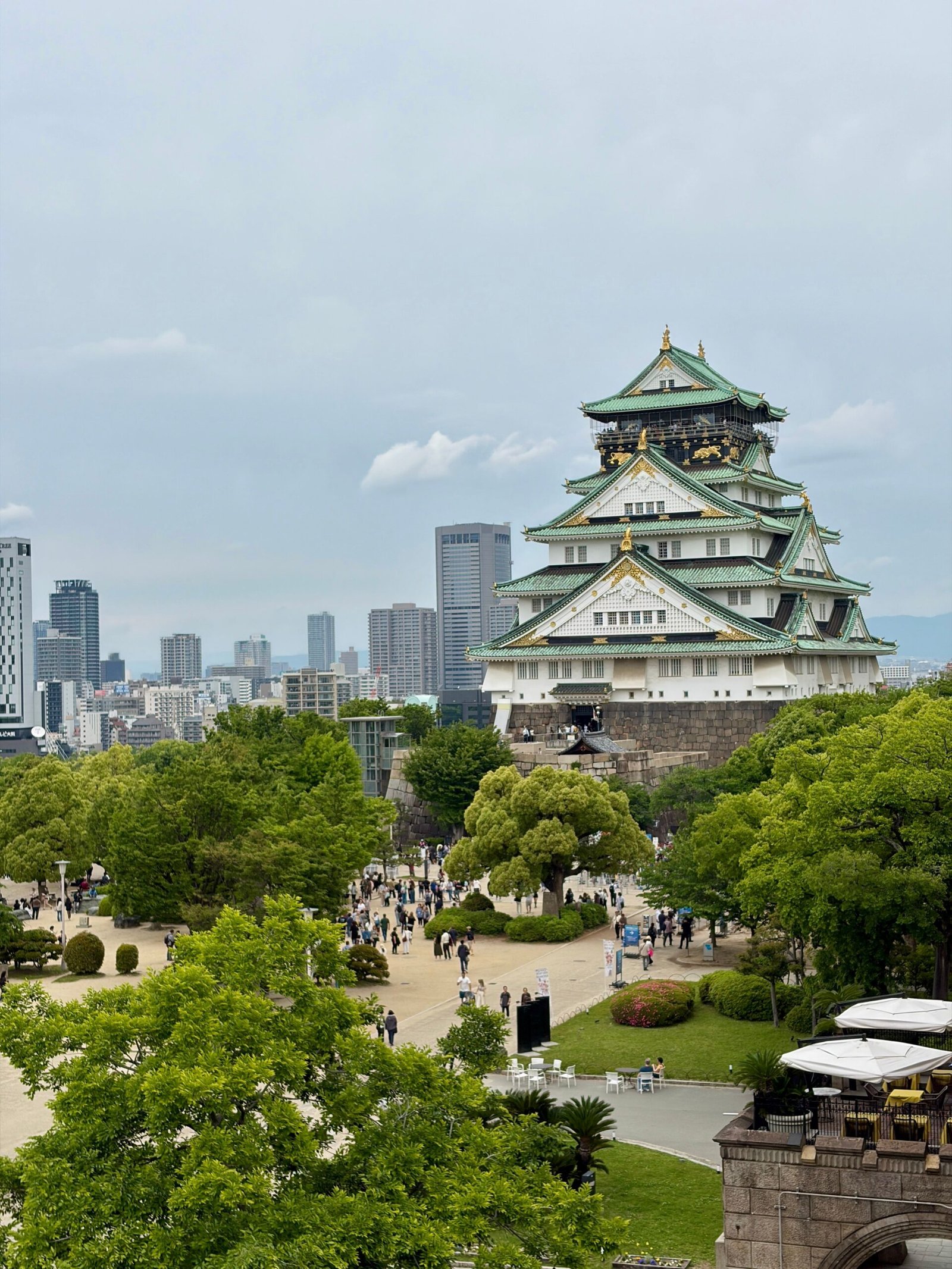

Choosing among the best hotels in Osaka comes down to one question: what kind of Osaka trip are you planning—street-food nights in Dotonbori, museum days around Umeda, or easy day trips to Kyoto and Nara? Osaka is compact, well-connected by rail, and packed with distinct neighborhoods, so the “right” hotel can save you time (and yen) every day. This guide breaks down where to stay, what each area feels like on the ground, and the standout hotels that deliver on location, comfort, and value.
Expect a practical, local-knowledge approach: which stations matter, where to stay for late-night dining, and how to avoid long transfers with luggage. If you’re pairing Osaka with nearby cities, you may also want to compare this with our Kyoto guide: best areas and hotels in Kyoto for first-timers.
Compare hotels across these neighborhoods on TravelStayMaps to find the best rates and availability.
A sleek, design-forward luxury hotel known for dramatic skyline views and a refined, modern vibe. Best for special occasions and travelers who want a quieter, central base with easy metro access.
› BOOK NOWBest Hotels in Osaka: Quick Overview
Osaka’s hotel scene is strongest in three zones: Umeda/Osaka Station (best all-around transit hub), Namba/Shinsaibashi (best for nightlife and food), and Tennoji (often better value with direct links to Kansai Airport). For families and theme-park fans, Universal City is a convenience play, while Honmachi is a calmer, business-leaning base that’s still central.
- First-time visitors: Umeda (Osaka Station) or Namba
- Foodies & nightlife: Namba / Dotonbori / Shinsaibashi
- Day trips (Kyoto, Kobe, Nara): Umeda for JR access; Namba for Kintetsu to Nara
- Budget travelers: Tennoji or Honmachi (often more space for the price)
- Universal Studios Japan: Universal City
Osaka also pairs well with neighboring cities—if you’re continuing onward, you can cross-check with where to stay in Kobe near the waterfront and stations.
A highly convenient Namba stay that puts you steps from Osaka’s most famous night scene while still offering a restful hotel environment. Ideal for couples and friends who want to explore on foot.
› BOOK NOWBest Hotels in Osaka: Best Areas to Stay
Umeda / Osaka Station (Kita): best for connectivity and easy day trips
If you want the simplest logistics, base yourself around Osaka Station (often called Umeda). This is the city’s most convenient rail hub: JR lines, private railways, and subways converge here, making it excellent for day trips to Kyoto and Kobe, plus fast local access to Namba and Osaka Castle. The area is modern and vertical—department stores, underground malls, office towers—so it can feel less “gritty Osaka,” but it’s exceptionally practical.
- Best for: first-timers, short stays, business travelers, day-trippers
- Vibe: polished, busy, lots of shopping and dining in complexes
- Watch-outs: stations are huge; pick a hotel with a clear walking route/exit
Namba / Shinsaibashi / Dotonbori (Minami): best for food, nightlife, and shopping
This is the Osaka most visitors picture: neon-lit canals, takoyaki stands, late-night ramen, and endless people-watching. Staying in Namba puts you close to Dotonbori and Kuromon Ichiba Market, plus you’ll have strong transit links via Nankai (useful for Kansai Airport) and subways. If you like to wander out after dinner without worrying about trains, this is your zone.
- Best for: foodies, nightlife, shoppers, couples who want action
- Vibe: energetic, loud in places, very walkable
- Watch-outs: some streets are noisy—request a higher floor or canal-facing room
Compare hotels across these neighborhoods on TravelStayMaps to find the best rates and availability.
Honmachi: central, quieter, and great value for midrange hotels
Honmachi sits between Umeda and Namba, which makes it a smart “split-the-difference” base. It’s primarily a business district, so evenings are calmer, but you’re minutes from both major hubs via the Midosuji subway line. If you want modern hotels, solid room quality, and fewer crowds outside your door, Honmachi is a strong pick.
- Best for: value seekers, repeat visitors, travelers who like calm nights
- Vibe: orderly, local weekday rhythm, easy transit
- Watch-outs: fewer iconic “Osaka” sights on your doorstep (but easy to reach)
Tennoji: budget-friendly base with great rail links
Tennoji has improved dramatically over the years and now offers some of Osaka’s best-value hotels, plus big shopping complexes and parks. It’s also convenient for Kansai Airport access (depending on your route) and for exploring southern Osaka. If you want more space or newer properties without paying Namba/Umeda premiums, Tennoji is worth serious consideration.
- Best for: budget and midrange travelers, longer stays
- Vibe: local, practical, a little less touristy
- Watch-outs: choose a hotel near Tennoji Station for easiest transit
Universal City: for Universal Studios Japan convenience
If USJ is the priority—especially with kids—Universal City is the easiest choice. You’ll be able to start early, take midday breaks, and avoid long commutes after fireworks and evening shows. The trade-off is that you’re not in central Osaka, but trains make it manageable.
- Best for: families, theme-park-focused trips
- Vibe: resort-like, entertainment district
- Watch-outs: higher prices on peak park dates; book early
A dependable, contemporary option in Umeda with excellent access to trains, shopping, and dining complexes. A smart pick for first-timers and frequent day-trippers to Kyoto or Kobe.
› BOOK NOWBest Hotels in Osaka: Top Hotel Picks
Below are the best hotels in Osaka across key neighborhoods—chosen for location, comfort, and traveler-friendly perks like breakfast quality, transit access, and dependable service. Osaka room sizes can be compact at almost any price point, so prioritize layout, bed type, and proximity to the station exit you’ll actually use.
Luxury splurge: The Ritz-Carlton, Osaka (Umeda)
For classic five-star service in the heart of Kita, The Ritz-Carlton delivers a refined, old-world feel—an ideal match for travelers who want a quiet retreat after busy days. You’re close to Osaka Station and the dining/shopping complexes that make Umeda so practical.
Design-forward luxury: Conrad Osaka (Nakanoshima)
Conrad Osaka is a top choice for skyline views and a special-occasion stay. Nakanoshima sits between Umeda and Honmachi, so you get central access without the constant bustle of Namba. It’s particularly good if you value a striking room view and a polished, modern aesthetic.
Best for nightlife: Cross Hotel Osaka (Namba/Dotonbori)
If you want to step out into Dotonbori in minutes, Cross Hotel Osaka nails the location without feeling chaotic inside. It’s a smart mid-to-upscale option for couples and friends prioritizing food, drinks, and late nights.
Reliable upscale base: Hotel Hankyu RESPIRE OSAKA (Umeda)
Modern, efficient, and extremely convenient, this is one of the easiest hotels for navigating Osaka Station/Umeda. Expect a smooth, contemporary stay that’s ideal for first-timers who want a strong hub for Kyoto day trips.
Great-value business-class: The Royal Park Canvas Osaka Kitahama (Kitahama)
Kitahama is a quieter riverside area with strong subway access. This hotel is a solid pick when you want stylish public spaces, a more local feel, and good value compared with the biggest hubs.
Smart midrange: Hotel Monterey Grasmere Osaka (Namba)
Connected access and a convenient base near Namba make this a dependable choice, particularly if you want comfort and classic touches without full luxury pricing. It’s also handy for airport transfers via Namba’s rail links.
Budget-friendly and central: Sotetsu Grand Fresa Osaka-Namba (Namba)
For travelers who plan to spend most of their time out exploring and want a clean, efficient room near the action, this is a practical budget-to-mid option in one of Osaka’s most convenient tourist areas.
Family/USJ convenience: The Park Front Hotel at Universal Studios Japan (Universal City)
For early entry strategies and minimal commuting, staying next to the park is hard to beat. This is a straightforward, family-friendly option that keeps the theme-park day simple—especially when traveling with younger kids.
A comfortable, well-located Namba hotel that works especially well for travelers who want convenience without luxury pricing. A strong all-rounder for short stays and busy itineraries.
› BOOK NOWBest Hotels in Osaka: Budget Tips That Actually Work
- Stay one stop away from the hotspots: Honmachi and Kitahama often price lower than Umeda/Namba while remaining highly connected.
- Consider Tennoji for more space: You’ll frequently get better value per square meter, especially on weekends.
- Book refundable, then re-check: Osaka rates fluctuate; lock in a refundable deal early and re-price 2–3 weeks out.
- Breakfast isn’t always the best deal: Osaka’s morning food scene is strong—try a bakery/cafe near the station and skip hotel breakfast if it’s pricey.
- Look for in-room washer/dryer or laundry rooms: This saves money fast for longer trips and reduces luggage needs.
If you’re planning a bigger multi-city itinerary, you can also compare hotel value strategies in other major cities—see our best hotels in Seoul guide for neighborhood-based budgeting ideas that translate well to Osaka.
A chic, value-friendly stay in a calmer riverside area with efficient transit links to Umeda and Namba. Great for travelers who prefer a more local evening scene and easy commutes.
› BOOK NOWBest Hotels in Osaka: Transportation & Getting Around
Osaka is easy to navigate once you understand the basics: you’ll likely use a mix of Osaka Metro, JR lines, and private railways. Where you stay matters because it determines which company’s lines are most convenient.
Airport transfers (Kansai International Airport, KIX)
- To Namba: Nankai trains are typically the simplest (direct, frequent). Great if you’re staying in Namba/Shinsaibashi.
- To Tennoji: JR services can be convenient; Tennoji is a strong base for value stays.
- To Umeda/Osaka Station: You’ll usually connect via rail; allow extra time if arriving late with luggage.
Day trips: Kyoto, Nara, Kobe
- Kyoto: Umeda/Osaka Station is a natural base for JR connections.
- Nara: Namba is convenient for Kintetsu lines, often placing you close to central Nara sights.
- Kobe: Umeda is typically easiest for a simple rail ride west.
IC cards and passes
Use an IC card (like ICOCA) for tap-and-go convenience on most trains and subways. For most visitors, an IC card is more flexible than multi-day passes unless you’re planning very heavy transit use each day.
A theme-park-focused hotel that minimizes commute time and makes breaks between rides easy. Best for families or travelers planning multiple USJ days who value maximum convenience.
› BOOK NOWBest Hotels in Osaka: When to Book (Seasonal Advice)
- Cherry blossom season (late Mar–early Apr): Book early, especially for Namba and Umeda. Inventory tightens fast on weekends.
- Golden Week (late Apr–early May): Expect higher rates nationwide—lock in accommodations well ahead.
- Summer (Jun–Aug): Better hotel deals are common, but it’s hot and humid. Prioritize properties with strong A/C and easy station access.
- Autumn (Oct–Nov): Another high-demand period due to pleasant weather and foliage trips.
- New Year period: Some restaurants and smaller shops reduce hours; confirm breakfast/dining options if that matters.
Compare hotels across these neighborhoods on TravelStayMaps to find the best rates and availability.
Best Hotels in Osaka: FAQs
These quick answers cover the most common planning questions travelers have when choosing among the best hotels in Osaka.
- Noise: Dotonbori and major roads can be lively late—ask for a quiet room or higher floor.
- Room size: Osaka rooms can be compact; check square meters and bed type before booking.
- Station proximity: “Near” can still mean a 10–15 minute walk through underground passages—map your route.
If you’re extending your trip beyond Kansai, it can be helpful to compare how other cities structure their hotel neighborhoods—our best hotels in London guide shows a similar hub-and-neighborhood strategy for minimizing commute time.
Final tip: The best Osaka stays are the ones that match your daily rhythm. If you’ll be out late eating and bar-hopping, choose Namba. If you’re day-tripping frequently, choose Umeda. If you want value and calmer evenings, choose Honmachi or Tennoji.
Compare hotels across these neighborhoods on TravelStayMaps to find the best rates and availability.
Recommended Hotels
📍 Umeda (Osaka Station/Kita)
A classic five-star choice in Umeda with polished service, upscale dining, and a calm atmosphere that’s ideal after busy days in the city. Great for travelers prioritizing comfort and an easy Osaka Station-area base.
👍 Pros
- + Exceptional service and quiet luxury feel
- + Strong base near Osaka/Umeda transit and shopping
👎 Cons
- – Premium pricing year-round
- – Classic style may feel formal to some travelers
📍 Nakanoshima
A sleek, design-forward luxury hotel known for dramatic skyline views and a refined, modern vibe. Best for special occasions and travelers who want a quieter, central base with easy metro access.
👍 Pros
- + Standout city views and modern design
- + Central positioning between Umeda and Honmachi
👎 Cons
- – Expensive on weekends and peak seasons
- – Not as walkable to Dotonbori nightlife as Namba hotels
📍 Namba/Shinsaibashi (Dotonbori area)
A highly convenient Namba stay that puts you steps from Osaka’s most famous night scene while still offering a restful hotel environment. Ideal for couples and friends who want to explore on foot.
👍 Pros
- + Excellent location for Dotonbori food and nightlife
- + Comfortable rooms with a calm interior feel
👎 Cons
- – Some rooms can be smaller than expected
- – Street noise possible in lower-floor rooms
📍 Umeda (Osaka Station/Kita)
A dependable, contemporary option in Umeda with excellent access to trains, shopping, and dining complexes. A smart pick for first-timers and frequent day-trippers to Kyoto or Kobe.
👍 Pros
- + One of the most convenient bases for Osaka Station/Umeda
- + Modern, efficient rooms and facilities
👎 Cons
- – Busy area with crowds at peak times
- – Some travelers find the style more functional than boutique
📍 Namba
A comfortable, well-located Namba hotel that works especially well for travelers who want convenience without luxury pricing. A strong all-rounder for short stays and busy itineraries.
👍 Pros
- + Very practical Namba base for sightseeing and airport access
- + Good comfort level for midrange pricing
👎 Cons
- – Decor is more classic than modern
- – Breakfast value can vary by rate
📍 Kitahama
A chic, value-friendly stay in a calmer riverside area with efficient transit links to Umeda and Namba. Great for travelers who prefer a more local evening scene and easy commutes.
👍 Pros
- + Stylish atmosphere and often strong value vs. the main hubs
- + Quieter neighborhood with easy subway access
👎 Cons
- – Less immediate nightlife than Namba
- – Limited on-the-doorstep sightseeing compared with central Minami
📍 Universal City
A theme-park-focused hotel that minimizes commute time and makes breaks between rides easy. Best for families or travelers planning multiple USJ days who value maximum convenience.
👍 Pros
- + Unbeatable convenience for Universal Studios Japan
- + Ideal for families and early-start park days
👎 Cons
- – Less central for broader Osaka nightlife
- – Prices jump on peak park dates
Frequently Asked Questions
What is the best area to stay in Osaka?
For most first-time visitors, Umeda (Osaka Station) or Namba are the best areas to stay in Osaka. Choose Umeda if you want the easiest rail connections for day trips (Kyoto/Kobe) and a clean, modern hub. Choose Namba if your priority is street food, nightlife, and being able to walk to Dotonbori and Shinsaibashi after dark.
Is it better to stay in Umeda or Namba?
It depends on your itinerary. Umeda is better for transportation convenience, especially for JR lines and day trips, and it tends to feel more businesslike and polished. Namba is better for atmosphere—late-night dining, bars, shopping streets, and iconic Osaka neon. If you plan to go out at night, Namba often wins; if you plan multiple day trips, Umeda is usually simpler.
What area should I stay in Osaka for nightlife and food?
Stay in Namba, Shinsaibashi, or near Dotonbori for the strongest nightlife-and-food experience. You’ll be close to Osaka’s most famous street-food lanes, late-night ramen and izakaya spots, and easy bar-hopping. If you’re sensitive to noise, request a higher floor or a room not facing the busiest streets.
Where should families stay in Osaka?
Families often do best in Universal City (if USJ is a priority) or Umeda (for smoother transit and easy dining/shopping in large complexes). Universal City reduces commuting stress for young kids and makes midday breaks realistic. Umeda works well if you want a central base with plenty of indoor options on rainy days.
How many days in Osaka is enough, and where should I base myself?
A 2–4 day stay is ideal for most travelers: 2 days covers core highlights and food districts; 3–4 days adds Osaka Castle, museums, and a day trip to Nara or Kyoto. Base yourself in Namba for a food-first, nightlife-heavy trip, or Umeda for a transit-first trip with multiple day excursions.
How do I get from Kansai Airport (KIX) to Osaka hotels easily?
Namba is often the easiest if you take the Nankai railway into the city, making it a convenient choice after a long flight. Tennoji can also be straightforward depending on your JR route. For Umeda/Osaka Station, expect to connect via rail and allow extra time if you’re arriving during peak hours or traveling with large luggage.
Are Osaka hotel rooms small?
Many Osaka hotel rooms—especially in busy areas like Namba and Umeda—run compact compared with North American and some European standards. Always check the room size in square meters and the bed type before booking. If you want better value for space, consider Tennoji, Honmachi, or properties slightly outside the biggest hubs.
