
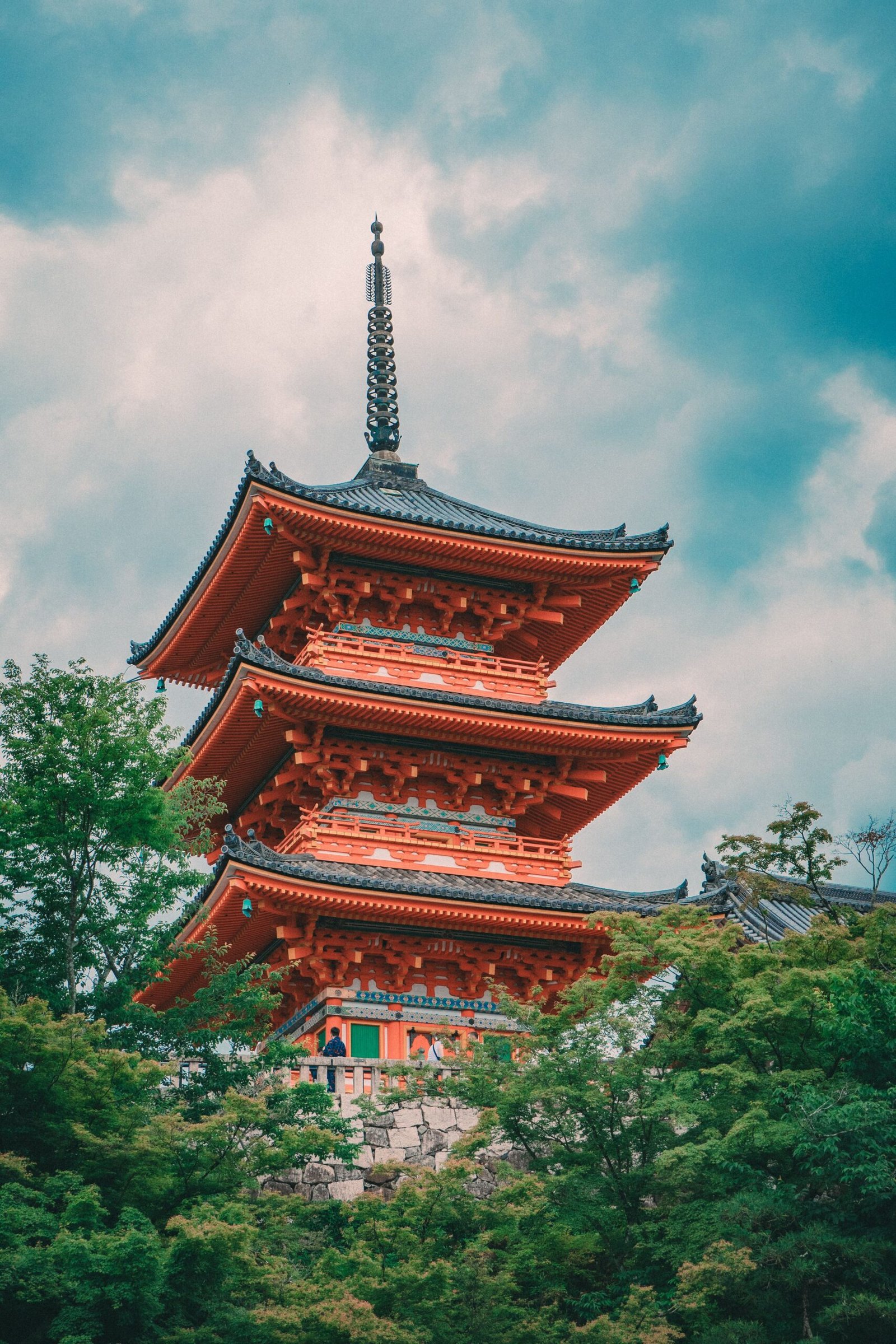

Finding the Best Hotels in Kyoto is all about matching the city’s neighborhoods to your travel style—whether you want to wake up to river views in Gion, base yourself by Kyoto Station for effortless day trips, or stay near the serene temples of Higashiyama. Kyoto is compact but nuanced: a hotel that looks close on a map can feel far at night if you’re crossing the river or relying on buses. This guide breaks down where to stay, what each area is best for, and the standout hotels that consistently deliver on comfort, location, and overall value.
Kyoto is also a city where the “right” hotel can elevate your trip—think easy access to early-morning temple visits, quiet streets after the day-trippers leave, and dining within a short walk so you’re not navigating transit late. Use this list to choose a neighborhood first, then pick a property that fits your pace and budget.
Compare hotels across these neighborhoods on TravelStayMaps to find the best rates and availability.
A calm, high-end retreat with a standout garden atmosphere and excellent facilities. Great for travelers who want luxury plus a quieter base close to many eastern Kyoto sights.
› BOOK NOWBest Hotels in Kyoto: Quick Overview
Kyoto’s hotel scene splits into three big categories: traditional ryokan (often in Gion/Higashiyama), modern luxury and lifestyle hotels (often downtown), and practical bases for transit and day trips (Kyoto Station). If you’re short on time, here’s the simplest way to decide:
- First-timers who want classic Kyoto: Stay in Gion or Higashiyama for walkable temples, lantern-lit streets, and atmospheric evenings.
- Foodies + shopping + nightlife: Choose Downtown (Kawaramachi/Karasuma)—best all-round base with tons of restaurants.
- Day trips to Nara/Osaka + easy airport connections: Pick Kyoto Station for speed and convenience.
- Peaceful, scenic stay: Look to Arashiyama for riverside calm and early bamboo grove access (but it’s more “escape” than central).
If you’re also planning time in nearby cities, it can help to compare styles and pricing—see where to stay in Osaka for first-timers and food lovers for a useful contrast to Kyoto’s slower, neighborhood-based vibe.
A stylish, dependable Gion base that nails the balance between traditional atmosphere and modern comfort. Perfect for visitors who want to experience Kyoto’s classic streets on foot.
› BOOK NOWBest Areas + Best Hotels in Kyoto
Below are Kyoto’s most practical neighborhoods for visitors, with what they’re best for, what to watch out for, and the kinds of hotels you’ll find.
Gion (Traditional Kyoto + evening atmosphere)
Why stay here: Gion is Kyoto’s iconic district—wooden machiya streets, teahouses, and a short walk to Yasaka Shrine and Hanamikoji Street. It’s ideal if you want that “Kyoto at dusk” feeling when the day crowds thin out.
- Best for: Couples, culture lovers, photographers, anyone prioritizing atmosphere.
- Trade-offs: Rooms can be smaller and pricier; some lanes are quieter (great for sleep, less for late-night dining).
- Hotel style: Boutique, upscale Japanese hospitality, often with refined design touches.
Higashiyama (Temples, heritage streets, early-morning sightseeing)
Why stay here: Higashiyama puts you close to Kiyomizu-dera, Sannenzaka/Ninenzaka, and many smaller temples. It’s a top choice if you want to start early and beat the tour groups.
- Best for: Sightseers, slow travelers, walkers who enjoy hilly lanes and historical scenery.
- Trade-offs: Some areas rely more on buses/taxis than trains; dining options are plentiful but can skew touristy near hotspots.
Compare hotels across these neighborhoods on TravelStayMaps to find the best rates and availability.
Downtown (Kawaramachi/Karasuma) (Food, shopping, transit balance)
Why stay here: This is the most “liveable” base: Nishiki Market, department stores, easy subway access, and excellent restaurant density. If you like being able to decide plans last-minute—ramen now, cocktails later, shrine tomorrow—downtown makes it easy.
- Best for: First-timers, families who want convenience, travelers who prefer modern hotels.
- Trade-offs: Less traditional atmosphere than Gion/Higashiyama (but you can still reach them quickly).
Kyoto Station (Most convenient for day trips + luggage-friendly)
Why stay here: If you’re arriving by Shinkansen, hauling bags, or doing day trips to Nara, Osaka, or Himeji, staying near Kyoto Station is unbeatable. It’s also where many larger, good-value hotels cluster.
- Best for: Short stays, families, business travelers, day-trippers.
- Trade-offs: Less “Kyoto charm” right outside your door; you’ll likely transit to scenic areas.
If your itinerary includes multiple cities, you might also browse best areas to stay in Seoul or best neighborhoods and hotels in London to see how Kyoto compares—Kyoto rewards neighborhood picking more than big, transit-mega-city strategies.
Arashiyama (Scenic retreat + bamboo grove mornings)
Why stay here: Arashiyama shines early and late—quiet riverside walks, temple grounds, and the bamboo grove before the crowds. It’s perfect if you want a calmer, nature-forward stay and don’t mind commuting into central Kyoto for dinners and nightlife.
- Best for: Couples, relaxation, one or two “retreat” nights.
- Trade-offs: Less central; transit is fine but takes time.
A modern, comfort-driven hotel with an excellent downtown location for food, shopping, and transit. A smart pick for travelers seeking reliable quality without luxury-level pricing.
› BOOK NOWHotel Picks: Best Hotels in Kyoto (By Style)
These hotel recommendations balance location, comfort, service, and guest feedback consistency. Where possible, choose based on your must-have: walkability, transit access, traditional feel, or space for families.
1) Modern luxury with landmark views (Downtown/Kamo River)
If you want a “special trip” hotel with Kyoto-level service, strong design, and the ability to walk to top dining streets, downtown luxury properties near the river are hard to beat. Expect excellent breakfast, concierge support for restaurants, and quieter rooms than you’d guess given the central location.
- Best for: Couples, honeymooners, design lovers, milestone trips.
- Tip: Request a higher floor or river-facing room if available for the most memorable stay.
2) Boutique Kyoto charm in Gion (walk to Yasaka Shrine)
Gion’s best hotels are about atmosphere: stepping outside into lantern-lit streets and being close enough to stroll after dinner. Many rooms are compact, but the trade is location and ambience.
- Best for: Culture-first itineraries, evening walks, photography.
- Tip: If you’re sensitive to noise, ask for a room away from main streets—Gion can be lively early evening.
3) The “smart base” near Kyoto Station (value + transit)
For travelers doing day trips or arriving late, Kyoto Station hotels save time and reduce stress. Look for properties with solid soundproofing, good breakfast hours, and easy access to airport limousine buses or JR lines.
- Best for: Families, first-timers juggling itineraries, train-heavy travel.
- Tip: Check which side of the station you’re on—some exits are more convenient for buses and taxis.
4) Arashiyama escape night (onsen/ryokan vibe)
Even one night in Arashiyama can change the feel of your Kyoto trip. Early bamboo grove access and riverside evenings are the draw. Ryokan-style properties may include set dinners and breakfasts—great for convenience, less ideal if you want total flexibility.
- Best for: Slow travel, couples, relaxation.
- Tip: Confirm dinner times and dietary accommodations ahead—ryokan meals are timed and curated.
5) Reliable midrange downtown (walkable, practical, comfortable)
Kyoto’s best-value stays are often modern midrange hotels downtown: clean design, efficient rooms, excellent showers, and easy access to subways and shopping. If you plan to be out most of the day, this is often the most cost-effective way to stay central.
- Best for: Budget-conscious travelers who still want a prime base.
- Tip: Compare room sizes carefully—some “double” rooms in Japan are compact.
One of the most convenient full-service options in Kyoto, especially for rail-heavy itineraries. Ideal for families and travelers prioritizing smooth logistics over scenic surroundings.
› BOOK NOWBudget Tips for Kyoto Hotels
- Shift your base by night: Do 2–3 nights downtown or near Kyoto Station, then add 1 night in Gion/Higashiyama or Arashiyama for the “Kyoto mood” without paying premium rates for the entire stay.
- Travel in shoulder seasons: Late winter (Jan–Feb) and early summer (June) can offer better value. Peak pricing hits during sakura (late Mar–early Apr) and autumn foliage (Nov).
- Watch room size vs. price: Many central hotels are compact. If space matters, a slightly less central location near a subway line can feel like an upgrade.
- Consider breakfast strategically: Kyoto cafés are excellent. If the hotel breakfast is pricey, skip it and eat locally—especially downtown near Nishiki Market.
- Ryokan costs add up: Traditional inns may charge per person and include meals. It can be a great value if you want the full experience, but compare total cost carefully.
A highly popular, budget-smart choice with relaxing onsen-style baths—great after long sightseeing days. A strong option for travelers who want comfort and amenities at a reasonable price point.
› BOOK NOWTransportation Advice: Getting Around Kyoto
Kyoto’s transit is a mix of subway, buses, JR lines, and taxis. The best choice depends on where you’re staying and the time of day.
- Subway: Best for getting between downtown (Karasuma/Shijo) and Kyoto Station, plus some connections toward the north. It’s reliable and avoids road traffic.
- Buses: Often the most direct to major sights (Kiyomizu-dera area, Ginkaku-ji, etc.), but can be slow in peak seasons due to traffic. If you’re staying in Higashiyama, buses are frequently part of daily life.
- JR: Ideal for Arashiyama (via Saga-Arashiyama), Fushimi Inari (JR Nara line), and day trips to Osaka/Nara. Staying near Kyoto Station makes this effortless.
- Taxis: Surprisingly useful in Kyoto—especially for short hops across neighborhoods when buses are crowded. If traveling as a pair or family, taxis can be time-effective.
Neighborhood tip: If you plan to do early temple visits, staying in Gion/Higashiyama can cut down transit time dramatically—meaning you’ll arrive before crowds and get better photos.
A standout luxury escape in Arashiyama with a tranquil, scenic feel. Best for couples and slow travelers who want a serene base and don’t mind being outside central Kyoto.
› BOOK NOWBooking Tips (Seasonality, Room Types, Ryokan Etiquette)
- Book early for peak seasons: For cherry blossom and autumn foliage, aim for 3–6 months ahead (or more for top ryokan and luxury properties).
- Read the room category details: Japanese room names can be confusing (compact doubles, semi-doubles, twins). If you need space for luggage, prioritize square meters over bed type.
- Ryokan basics: Many ryokan ask guests to follow quiet hours and specific bathing guidelines for shared baths. If you’re unsure, the staff will guide you—just ask.
- Consider “one splurge night”: Even budget travelers often love doing one unforgettable night—river view, onsen, or a beautifully designed suite—then switching to a value base.
Conclusion: Choosing the Best Hotels in Kyoto
The Best Hotels in Kyoto are the ones that make your days easier and your evenings more enjoyable—whether that means stepping straight into Gion’s historic streets, having Kyoto Station at your doorstep for day trips, or staying downtown where the city’s dining scene is strongest. Choose your neighborhood first, then prioritize what matters most (walkability, transit, quiet, or atmosphere). With the right base, Kyoto feels less like a checklist and more like a city you can settle into.
Compare hotels across these neighborhoods on TravelStayMaps to find the best rates and availability.
Recommended Hotels
📍 Downtown / Kamogawa River
A benchmark luxury stay on the Kamogawa River with serene interiors, top-tier service, and walkable access to central Kyoto. Ideal for special occasions and travelers who value refinement and location over bargain pricing.
👍 Pros
- + Prime riverside location near downtown dining
- + Exceptional service and polished design
👎 Cons
- – High nightly rates in peak seasons
- – Popular dates book out early
📍 Higashiyama (near Nanzen-ji area)
A calm, high-end retreat with a standout garden atmosphere and excellent facilities. Great for travelers who want luxury plus a quieter base close to many eastern Kyoto sights.
👍 Pros
- + Tranquil setting with beautiful garden views
- + Strong wellness facilities and family-friendly comfort
👎 Cons
- – Not as central as downtown for nightlife
- – Premium pricing for larger rooms
📍 Gion
A stylish, dependable Gion base that nails the balance between traditional atmosphere and modern comfort. Perfect for visitors who want to experience Kyoto’s classic streets on foot.
👍 Pros
- + Excellent Gion location for evening walks
- + Comfort-forward rooms with a refined feel
👎 Cons
- – Room sizes can feel compact
- – Limited on-site nightlife (by design)
📍 Downtown (Sanjo/Karasuma area)
A modern, comfort-driven hotel with an excellent downtown location for food, shopping, and transit. A smart pick for travelers seeking reliable quality without luxury-level pricing.
👍 Pros
- + Strong value in a highly convenient downtown location
- + Great for travelers who plan to be out exploring most of the day
👎 Cons
- – Not a “historic” setting like Gion
- – Facilities are more practical than luxurious
📍 Kyoto Station
One of the most convenient full-service options in Kyoto, especially for rail-heavy itineraries. Ideal for families and travelers prioritizing smooth logistics over scenic surroundings.
👍 Pros
- + Directly integrated with Kyoto Station for effortless transit
- + Excellent base for day trips and late arrivals
👎 Cons
- – Less traditional neighborhood atmosphere
- – Busy station area can feel hectic at peak times
📍 Near Kyoto Station (Shichijo area)
A highly popular, budget-smart choice with relaxing onsen-style baths—great after long sightseeing days. A strong option for travelers who want comfort and amenities at a reasonable price point.
👍 Pros
- + Excellent value with onsen-style facilities
- + Practical location for Kyoto Station access
👎 Cons
- – Can feel busy due to popularity
- – Room sizes are typically compact
📍 Arashiyama
A standout luxury escape in Arashiyama with a tranquil, scenic feel. Best for couples and slow travelers who want a serene base and don’t mind being outside central Kyoto.
👍 Pros
- + Beautiful Arashiyama setting for a retreat-style stay
- + Ideal for early bamboo grove visits and riverside evenings
👎 Cons
- – Not central for nightly dining downtown
- – Premium rates, especially for top room categories
Frequently Asked Questions
What is the best area to stay in Kyoto?
For most visitors, Downtown (Kawaramachi/Karasuma) is the best all-around base because it combines restaurants, shopping, and reliable transit. If you want classic Kyoto atmosphere and evening strolls, Gion is ideal, while Kyoto Station is best for convenience and day trips. Higashiyama suits travelers focused on temples and early sightseeing.
How many nights should I stay in Kyoto?
A sweet spot is 3–4 nights: enough time for Higashiyama/Gion, Arashiyama, and a day for Fushimi Inari plus downtown. If you want a slower pace with museum time, cafés, and multiple temple districts, 5 nights feels comfortable—especially during peak seasons when crowds can slow you down.
Is it better to stay near Kyoto Station or in Gion?
Choose Kyoto Station if you’re doing multiple day trips, arriving late, or want the simplest logistics—especially with luggage. Choose Gion if you want Kyoto’s historic ambiance outside your door, with scenic evening walks and quick access to Higashiyama sights. Many travelers do a split stay: a practical station base plus one atmospheric night in Gion/Higashiyama.
Are ryokan in Kyoto worth it?
Yes—if you want the experience of traditional hospitality, tatami rooms, and often a curated meal. Ryokan can be expensive (sometimes priced per person and with meal plans), but many travelers find one night is enough to enjoy the cultural experience without sacrificing flexibility for the whole trip.
What’s the best time to book hotels in Kyoto?
For cherry blossom season (late March to early April) and autumn foliage (November), book as early as possible—often 3–6 months ahead for the best selection, and even earlier for top luxury or ryokan stays. For lower prices and better availability, consider January–February or June, when demand is typically softer.
How do I get around Kyoto easily from my hotel?
If you stay downtown, you can combine walking with subway rides, plus short taxi trips when needed. From Kyoto Station, JR lines make day trips and key routes straightforward. If you stay in Higashiyama or Gion, walking is fantastic for nearby sights, but plan on buses and occasional taxis for longer cross-city trips—especially at busy times when buses fill up.
