
Where to Stay in Tokyo as a digital nomad comes down to three things: reliable Wi‑Fi, easy transit, and a neighborhood that fits your work rhythm. Tokyo is one of the safest, most efficient big cities on earth—but it’s also huge, and choosing the right base can save you hours each week (and a surprising amount of money). In this guide, you’ll find the best areas for coworking, café-hopping, and short commutes, plus hotel picks that work well for laptop life.
Whether you’re planning a 5-day sprint between meetings or a month-long stay with a weekly routine, this Where to Stay in Tokyo guide focuses on practical details: desk space, quiet rooms, laundry access, and getting to Shibuya/Shinjuku/Marunouchi without friction.
A calm, upscale Tokyo stay that suits remote workers who want quiet focus, comfort, and a restorative base.
› BOOK NOWWhere to Stay in Tokyo: Best Areas for Digital Nomads
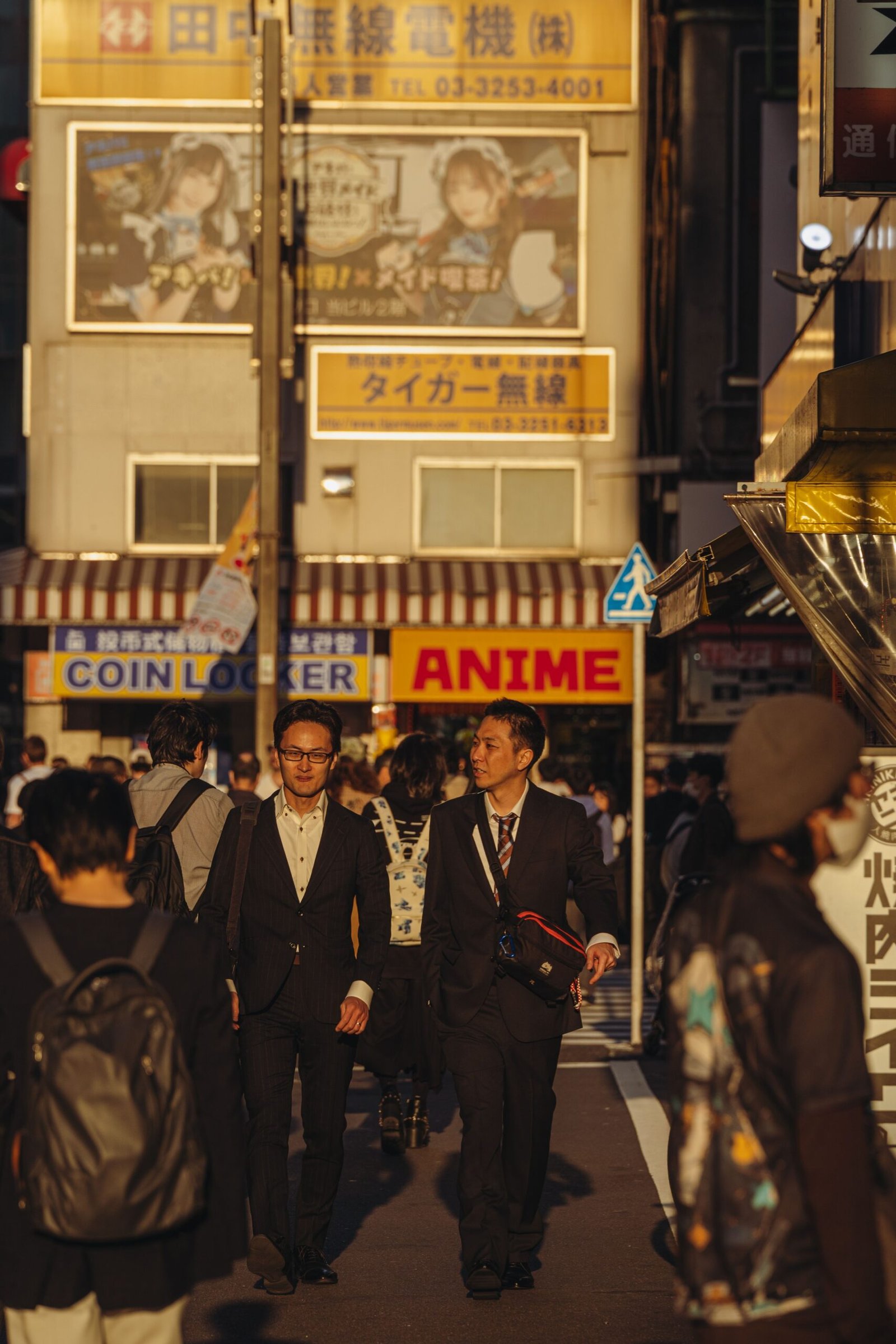
Tokyo is a city of “micro-centers.” For remote workers, the best neighborhoods aren’t always the most famous—they’re the ones that reduce transfers, keep you close to cafés and convenience stores, and give you options when you need a quiet night before an early call.
- Shibuya (and Ebisu/Daikanyama edges): A creative-business hub with great rail links and lots of cafés. Ideal if you like energy and want to network. Downsides: pricier hotels, busier streets.
- Shinjuku (especially west side): Unbeatable for transit—perfect if you’ll do day trips or move around the city daily. Look for business hotels with soundproofing and a proper desk.
- Ginza / Tokyo Station / Marunouchi: Clean, central, and efficient with straightforward airport access. Great for professionals who prioritize calm, walkability, and premium comfort.
- Roppongi / Akasaka: International, expat-friendly, and good for meetings. Choose carefully: some streets are nightlife-heavy, others are quiet and upscale.
- Asakusa: More traditional atmosphere and often better value. Good if you want calmer evenings and don’t mind longer rides to some west-side hotspots.
- Ueno / Okachimachi: Practical and budget-smart with excellent rail coverage. A strong choice for longer stays when you want convenience over nightlife.
If you’re pairing Tokyo with another Japan stop, you might also compare the hotel style and value in Hiroshima for a slower pace between city bursts.
Compare hotels on TravelStayMaps to find the best rates.
A practical Shinjuku hub hotel for nomads who need maximum connectivity and city-wide flexibility.
› BOOK NOWWhere to Stay in Tokyo: Best Hotels for Digital Nomads
The best Where to Stay in Tokyo hotel picks for digital nomads share a few traits: strong in-room Wi‑Fi, a usable workspace, quiet rooms, and quick access to multiple rail lines. Below are options across budgets and neighborhoods, with a focus on day-to-day liveability rather than just sightseeing.
1) Shibuya Excel Hotel Tokyu (Shibuya)
Why it works: Set right by Shibuya Station, it’s one of the easiest bases for city-wide mobility—especially if you’re bouncing between meetings, coworking spots, and social plans. Expect efficient rooms, business-friendly service, and great convenience.
- Best for: High-mobility schedules, short stays, first-timers who want simple navigation.
- Heads-up: Shibuya is busy; ask for a higher floor if you’re sensitive to city noise.
2) The Prince Park Tower Tokyo (Shiba Park / Hamamatsucho area)
Why it works: If your remote-work productivity depends on sleep quality and quiet, this is a strong splurge pick. The setting near Shiba Park offers a calmer “reset” between calls, with straightforward connections to business areas.
- Best for: Deep work weeks, recovery days, travelers who want wellness + comfort.
- Heads-up: Higher price point; worth it if you’ll actually use the calm and amenities.
3) Hotel Gracery Shinjuku (Shinjuku)
Why it works: Shinjuku is a transit cheat code, and this hotel is a practical base when you need to be everywhere. It’s a solid “work trip” style option with reliable standards and easy access to restaurants and late-night essentials.
- Best for: Nomads doing day trips, frequent neighborhood-hopping, late arrivals.
- Heads-up: The immediate area can be lively—choose a room type geared toward quiet if available.
4) Mitsui Garden Hotel Ginza Premier (Ginza / Shimbashi)
Why it works: A great balance between upscale comfort and business practicality. Ginza is clean, walkable, and surprisingly efficient for remote workers who like structured routines and easy airport/train logistics.
- Best for: Professionals, brand/agency travelers, nomads who prefer calmer evenings.
- Heads-up: Shopping-district pricing; food and coffee nearby can add up.
5) The Knot Tokyo Shinjuku (Shinjuku / Nishi-Shinjuku)
Why it works: Trendy without being chaotic, and typically a good value for Shinjuku. It suits nomads who want a stylish base, a comfortable lobby vibe, and quick access to transport while still feeling slightly removed from the busiest streets.
- Best for: Mid-range budgets, longer stays where design and comfort matter.
- Heads-up: Room sizes can be compact—pack light or upgrade if you’ll work in-room often.
6) APA Hotel Asakusa Tawaramachi Ekimae (Asakusa / Tawaramachi)
Why it works: A compact, budget-friendly base with excellent everyday convenience—ideal if Tokyo is one leg of a longer Asia itinerary and you’re watching spend. Asakusa offers a calmer feel and good access to the east side.
- Best for: Budget nomads, minimalist packers, quieter nights.
- Heads-up: Rooms are small; it’s better for “out all day” travelers than for full-time in-room work.
7) Hotel Niwa Tokyo (Suidobashi / Jimbocho area)
Why it works: A well-liked, quietly stylish hotel that sits in a very livable part of central Tokyo. It can be a sweet spot for digital nomads: less tourist frenzy, still highly connected, and generally a calmer work-and-sleep environment.
- Best for: Longer stays, consistent routines, travelers who want “Tokyo daily life” vibes.
- Heads-up: Not in the flashiest nightlife zone—great for focus, less so for party energy.
Compare hotels on TravelStayMaps to find the best rates.
A strong Ginza-area pick for digital nomads who value calm, comfort, and straightforward commuting.
› BOOK NOWHow to Choose Where to Stay in Tokyo (Nomad Checklist)
Choosing Where to Stay in Tokyo is easier when you treat it like a workflow decision. Use this checklist to avoid common remote-work frustrations.
- Transit first, attractions second: Prioritize being within a short walk of a station with multiple lines. Transfers cost time and energy—especially in summer humidity or rainy season.
- Desk + chair reality check: Many Tokyo hotel rooms are compact. Look for photos that clearly show a desk surface (not just a tiny shelf) and a chair you can sit on for an hour.
- Laundry strategy: For stays beyond 5–7 days, on-site coin laundry (or a nearby laundromat) is a quality-of-life upgrade. It also lets you pack lighter.
- Sound matters: If you take calls, request higher floors and rooms away from elevators. If you’re in Shibuya/Shinjuku, bring noise-canceling headphones as backup.
- Lobby as a “third space”: Some hotels have comfortable lounges; others don’t. If you don’t want to café-hop daily, pick a property with a welcoming lobby setup.
- Food within 3 minutes: A nearby convenience store (konbini) saves time—quick breakfast, coffee, snacks, and essentials between meetings.
If Tokyo is part of a broader Asia route, you can also compare how hotel value stacks up in Hong Kong, where room sizes and pricing dynamics can feel very different.
A design-forward, good-value Shinjuku option for nomads who want comfort and a calmer vibe near a major hub.
› BOOK NOWPractical Tokyo Tips for Remote Work
These small logistics can make a big difference to your week-to-week productivity.
- Plan around rush hour: If you can shift errands and meetups outside peak commuting windows, you’ll feel the city is dramatically calmer.
- Choose one “home” line: Staying near a line that naturally connects your weekly routine (coworking, gym, favorite coffee) cuts friction.
- Bring a compact power strip: Outlets may be limited in older rooms. A small strip helps you charge laptop/phone/power bank at once.
- Consider a pocket Wi‑Fi or eSIM backup: Even with good hotel internet, a backup is helpful for video calls and navigation.
- Don’t over-optimize your first stay: Tokyo rewards iteration. Many nomads do a “test week” in Shinjuku or Shibuya, then relocate to a calmer zone for week two.
Compare hotels on TravelStayMaps to find the best rates.
A smart budget base in Asakusa for minimalists who want a quieter neighborhood and strong value.
› BOOK NOWFAQs: Where to Stay in Tokyo
What is the best area in Tokyo for digital nomads?
Shibuya and Shinjuku are the most practical for digital nomads because they combine coworking/cafés with exceptional transit. If you want a calmer, more “professional” base, Ginza/Marunouchi is excellent.
Is it better to stay in Shibuya or Shinjuku?
Choose Shibuya if you want creative energy, cafés, and a social scene nearby. Choose Shinjuku if you want the easiest transport connections and plan to explore multiple neighborhoods or take day trips.
How many days should I base myself in Tokyo as a remote worker?
For a productive first visit, 7–14 days works well: enough time to build a routine (favorite coffee, gym, coworking) without feeling rushed. For deeper exploration, 3–4 weeks lets you try multiple neighborhoods.
Do Tokyo hotels have reliable Wi‑Fi for video calls?
Most mid-range and upscale hotels have dependable Wi‑Fi, but room layouts and signal strength can vary. If video calls are critical, pick business-oriented properties and consider a mobile data backup.
Are Tokyo hotel rooms really that small?
Many are compact, especially in central areas and at budget prices. If you plan to work in-room, consider upgrading a room category or choosing a hotel known for better workspace setups.
What’s the most convenient area for airport access?
Areas around Tokyo Station/Marunouchi and parts of Ginza/Shimbashi are very convenient for onward trains and airport connections. Shinjuku is also workable, especially if you’re already using it as your main transit hub.
A calm, well-rounded central Tokyo hotel that suits digital nomads who prioritize routine, comfort, and focus.
› BOOK NOWRecommended Hotels
📍 Shibuya
A high-convenience Shibuya base for digital nomads who prioritize transit speed, meetings, and a plug-and-play routine.
👍 Pros
- + Steps from Shibuya Station for ultra-fast commuting
- + Business-friendly feel for short work trips
- + Easy access to cafés and essentials
👎 Cons
- – Busy area can feel noisy
- – Rates fluctuate significantly on weekends
📍 Shiba Park / Hamamatsucho
A calm, upscale Tokyo stay that suits remote workers who want quiet focus, comfort, and a restorative base.
👍 Pros
- + Quieter setting that supports deep work and sleep
- + Upscale comfort and consistent service
- + Good access to central business areas
👎 Cons
- – Premium pricing
- – Not the best pick if you want nightlife at your doorstep
📍 Shinjuku
A practical Shinjuku hub hotel for nomads who need maximum connectivity and city-wide flexibility.
👍 Pros
- + Excellent for transit and day trips
- + Convenient for late-night dining and essentials
- + Reliable mid-range option in a key hub
👎 Cons
- – Immediate area can be lively
- – Room sizes may feel tight for extended in-room work
📍 Ginza / Shimbashi
A strong Ginza-area pick for digital nomads who value calm, comfort, and straightforward commuting.
👍 Pros
- + Polished, professional atmosphere
- + Walkable, clean neighborhood with easy logistics
- + Great balance of comfort and practicality
👎 Cons
- – Area can be pricier for everyday coffee/food
- – Less “local neighborhood” feel than some districts
📍 Nishi-Shinjuku
A design-forward, good-value Shinjuku option for nomads who want comfort and a calmer vibe near a major hub.
👍 Pros
- + Stylish base with good value for the location
- + Slightly removed from the most hectic streets
- + Good for longer stays on a mid-range budget
👎 Cons
- – Some rooms are compact
- – Workspace comfort varies by room category
📍 Asakusa / Tawaramachi
A smart budget base in Asakusa for minimalists who want a quieter neighborhood and strong value.
👍 Pros
- + Budget-friendly for longer Tokyo stays
- + Calmer evenings than west-side hubs
- + Great everyday convenience and transit access
👎 Cons
- – Very small rooms and limited desk space
- – Better for out-and-about schedules than all-day in-room work
📍 Suidobashi / Jimbocho
A calm, well-rounded central Tokyo hotel that suits digital nomads who prioritize routine, comfort, and focus.
👍 Pros
- + Quiet, livable neighborhood feel
- + Good central connectivity without the chaos
- + Solid choice for routines and longer stays
👎 Cons
- – Not in a major nightlife district
- – Availability can be tight in peak seasons
Frequently Asked Questions
Where to stay in Tokyo for digital nomads who want the best transit access?
Shinjuku is the most transit-optimized base, with fast connections across Tokyo and easy transfers for day trips. Shibuya is also excellent if your routine centers on the west side.
Where to stay in Tokyo for a quieter, more focused workweek?
Consider Ginza/Marunouchi for a calm, businesslike environment or Shiba Park/Hamamatsucho for a quieter setting with strong access to central Tokyo.
Is it worth paying more to stay near a major station in Tokyo?
Often yes—Tokyo’s scale means a “cheap” hotel far from convenient rail lines can cost you time daily. Paying for station proximity can improve productivity and reduce commuting fatigue.
Do I need to book a hotel with breakfast if I’m working remotely?
Not necessarily. Many digital nomads rely on nearby convenience stores and cafés. Breakfast can be a time-saver, but neighborhood food options are usually plentiful from early morning.
What should I look for in a Tokyo hotel room if I’ll take video calls?
Prioritize reliable Wi‑Fi, a real desk surface, and quiet placement (higher floors, away from elevators). A backup eSIM or pocket Wi‑Fi is also helpful for important calls.
Is Asakusa a good place to stay in Tokyo for a longer visit?
Yes if you prefer calmer evenings, better value, and a more traditional atmosphere. Just expect longer rides to Shibuya/Shinjuku compared with staying on the west side.
