
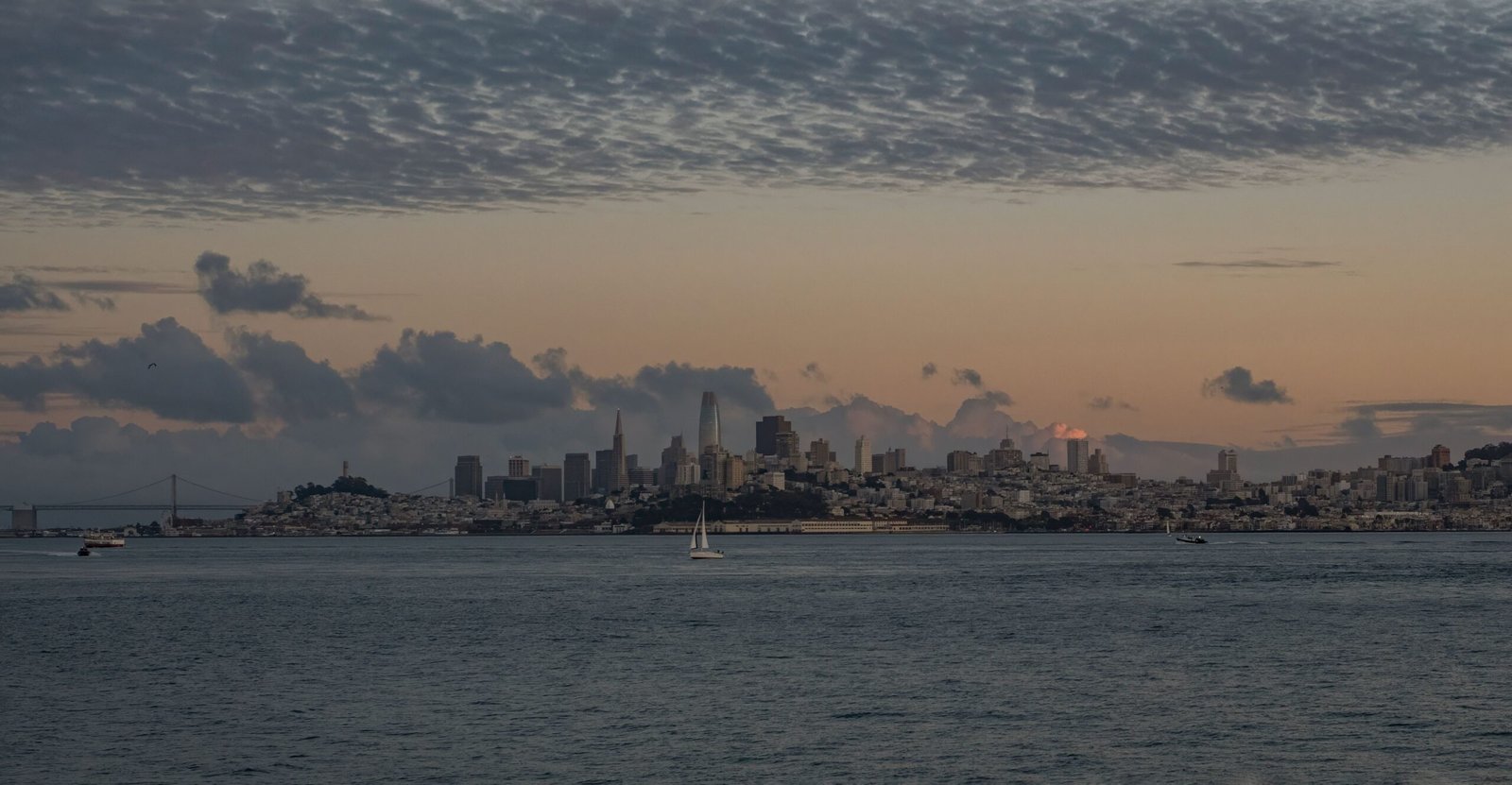

Choosing from the best hotels in San Francisco is less about finding “the” perfect property and more about matching the right neighborhood to your trip style—waterfront views and walkable attractions, boutique charm near great restaurants, or a calmer base with easy transit into the city’s highlights. San Francisco is compact but varied: hills change the walking effort, microclimates change the weather by neighborhood, and where you stay can shave serious time off your itinerary.
This guide breaks down the best areas to stay, what each is actually like on the ground, and a curated shortlist of hotels that consistently deliver on location, comfort, and value. You’ll also find practical budget tips, transportation advice (including how to use BART, Muni, and rideshares wisely), and quick answers to common planning questions.
Compare hotels across these neighborhoods on TravelStayMaps to find the best rates and availability.
One of the city’s most storied addresses, delivering old-school grandeur and a quintessential San Francisco feel. Best for travelers who want a special-occasion stay and don’t mind using cable cars or rideshares to tackle the hills.
› BOOK NOWBest Hotels in San Francisco: Quick Overview
If it’s your first visit, you’ll usually be happiest in Union Square (central transit + shopping + classic city energy) or Fisherman’s Wharf (family-friendly, waterfront, easy sightseeing). If you want a more residential feel with postcard views, Nob Hill and the Marina are strong choices. For food, nightlife, and a local vibe, the Mission is the standout—especially near Valencia Street. SoMa is best for conventions, museums, and modern hotels, with quick freeway access and direct transit connections.
- Best for first-timers: Union Square (walkability + transit)
- Best for families: Fisherman’s Wharf (easy attractions, flatter streets)
- Best for views + classic SF: Nob Hill (historic hotels, cable cars)
- Best for museums + business travel: SoMa/Yerba Buena
- Best for Golden Gate Bridge access: Marina District
- Best for food + nightlife: Mission/Valencia
Planning more California stays? You might also like our guide to the best areas and hotels in Los Angeles or where to stay in San Diego for beaches and neighborhoods.
A lively, modern-feeling Wharf hotel that works especially well for families and first-timers. You’re steps from Pier-area attractions and can keep transit simple with walkable sightseeing.
› BOOK NOWBest Hotels in San Francisco: Union Square & Downtown
Union Square is San Francisco’s most central “hub” for visitors—especially if you want to connect easily to BART/Muni, ride the cable cars, and day-trip without a car. You’ll be close to shopping, theaters, and classic hotel architecture. The trade-off is that some blocks around the broader downtown core can feel gritty, particularly at night; the sweet spot is staying closer to Union Square proper and using main corridors for walking.
Who it’s best for
- First-time visitors who want a convenient base for sightseeing
- Transit-friendly travelers (easy BART/Muni connections)
- Short stays where you want to maximize time
Local tip
Ask your hotel for the easiest walking route to your evening plans—San Francisco’s “one block” can change quickly depending on direction. For daytime exploring, Union Square is a straightforward hop to Chinatown, North Beach, and the Embarcadero via Muni.
Compare hotels across these neighborhoods on TravelStayMaps to find the best rates and availability.
A dependable, modern base for travelers who want easy access to SoMa’s museums, downtown transit connections, and business hubs. Great for a no-car itinerary with a mix of sightseeing and practical logistics.
› BOOK NOWBest Hotels in San Francisco: Fisherman’s Wharf & Waterfront
Fisherman’s Wharf is the easiest place to stay if your itinerary is heavy on waterfront sights: Pier 39, Alcatraz tours (departures nearby), the Embarcadero promenade, and cable car lines. It’s also flatter than many neighborhoods—an underappreciated advantage if you’re traveling with kids, strollers, or anyone who doesn’t want hill workouts between attractions.
Who it’s best for
- Families and first-timers who want “plug-and-play” sightseeing
- Travelers prioritizing walkable attractions over late-night dining
- Visitors who want a calmer evening scene than downtown
Local tip
Early mornings on the waterfront are the most enjoyable—fewer crowds, cleaner sightlines, and great light for photos. For dinner, you’ll get better value by walking a bit toward North Beach for Italian and casual spots.
A cheerful Marina option that puts you close to cafes, boutiques, and scenic waterfront walks. Ideal for travelers who want a quieter base and don’t need to be in the middle of downtown nightlife.
› BOOK NOWBest Hotels in San Francisco: Nob Hill
Nob Hill is classic San Francisco: grand old hotels, dramatic hills, and cable cars clattering by. It’s a strong choice if you want elegant surroundings and quick access to Chinatown, Union Square, and Russian Hill—without being right in the busiest retail core. Expect steep walking in nearly every direction; the payoff is atmosphere and views.
Who it’s best for
- Couples and travelers who love historic hotels
- Visitors wanting a quieter feel while staying central
- Anyone happy to use cable cars/rideshares to avoid steep climbs
Local tip
Use the cable car strategically: it’s not just a tourist ride, it’s a practical hill-skipper. If you’ll take it more than once or twice, consider a Muni pass (details below).
A character-filled inn that suits travelers who want to stay in a lively, local neighborhood rather than the tourist core. A solid pick for food lovers planning to spend evenings around the Mission and Valencia corridor.
› BOOK NOWBest Hotels in San Francisco: SoMa & Yerba Buena
SoMa (South of Market) is modern, museum-rich, and ideal for business travel. Yerba Buena Gardens puts you near SFMOMA, the Moscone Center, and a cluster of restaurants and coffee shops. Hotel inventory here skews newer and higher-rise. Some parts of SoMa can feel industrial or quiet at night, so pick a property near Yerba Buena or along well-trafficked corridors for the best experience.
Who it’s best for
- Convention and business travelers (Moscone proximity)
- Museum lovers and travelers who prefer modern hotels
- Visitors who plan to use transit rather than rent a car
Local tip
If you’re arriving via BART from SFO, SoMa/downtown is often the easiest “no-car” landing—especially if your hotel is a short walk or quick rideshare from the station.
A polished Union Square favorite with standout wellness amenities (including a pool) for San Francisco. Best for travelers who want central convenience plus a calm, restorative hotel experience after long walking days.
› BOOK NOWBest Hotels in San Francisco: Marina District
The Marina is a favorite for travelers who want a bright, residential vibe with easy access to the Golden Gate Bridge, Crissy Field, and the waterfront paths. It’s great for morning runs/walks and for visitors who prefer boutique inns over big high-rises. Transit is good via buses, but you won’t have BART nearby—plan on Muni buses, rideshares, or a bit more transfer time.
Who it’s best for
- Golden Gate Bridge and waterfront enthusiasts
- Travelers who want a quieter, neighborhood feel
- Visitors who enjoy walking and scenic routes
Local tip
For sunrise or fog-free afternoons, head to Crissy Field and the Presidio edges—often clearer than downtown. Dining on Chestnut Street tends to be more relaxed than the Wharf area.
Best Hotels in San Francisco: The Mission & Valencia Corridor
The Mission is where you go for some of the city’s best food, bars, murals, and independent shops. Staying near Valencia Street gives you a lively but walkable base, with quick Muni links and decent access to BART depending on where you book. This is a more “local” stay than the waterfront, and it’s excellent if you plan to spend evenings exploring restaurants.
Who it’s best for
- Food-focused travelers and nightlife seekers
- Repeat visitors who want to live like a local
- Guests comfortable navigating an urban neighborhood vibe
Local tip
Pick a hotel with solid soundproofing if you’re a light sleeper—weekends can run lively. For iconic Mission experiences, pair a taqueria lunch with a mural walk around Balmy Alley.
If you’re comparing West Coast city stays, bookmark our best hotels in Seattle neighborhood guide for a similarly walkable, district-by-district approach.
Getting Around: Transportation Tips
From SFO to the city
- BART: Fast and straightforward from SFO to downtown/SoMa stations. Great if your hotel is within a manageable walk or short rideshare.
- Rideshare/taxi: Convenient for door-to-door (especially with luggage), but can be slower during rush hour and more expensive.
Getting around San Francisco without a car
- Muni buses + Metro: The workhorse network. Use it to connect neighborhoods that feel “close” on a map but are hill-separated in real life.
- Cable cars: Fun and functional for certain corridors (especially around Nob Hill). Expect lines at peak hours.
- Walking: Feels easy in flatter areas (Wharf/Embarcadero/Marina edges) but can be strenuous in hillier ones (Nob Hill, Russian Hill).
Car rental reality check
Unless you’re leaving the city for Napa, Muir Woods, or Highway 1 road trips, a car often creates more hassle than value: parking costs, break-in risk, and slow urban driving. If you do rent a car, prioritize hotels with secure parking and understand the nightly rate up front.
Budget Tips for San Francisco Hotels
- Travel in shoulder seasons: Late winter and early spring often bring better hotel pricing (still pack layers—fog is a year-round character).
- Stay near transit instead of “closest to everything”: A well-located hotel near Muni/BART can outperform a pricier address if you’ll be moving around a lot.
- Watch for resort/amenity fees: In some full-service hotels, these can add meaningful nightly cost. Factor them into comparisons.
- Parking adds up fast: If you must park, compare the total nightly parking cost versus using rideshare for a few trips.
- Book midweek when possible: Business-travel patterns can push some areas up (SoMa), while weekends can spike tourist zones (Wharf). Compare both.
Practical Booking Tips (Weather, Safety, Parking)
Microclimates are real
San Francisco can be sunny in the Mission and foggy at the Wharf within the same hour. Pack a light jacket year-round. If you want consistently warmer afternoons, neighborhoods like the Mission and parts of SoMa tend to feel milder than the waterfront.
Safety and street smarts
Most visitor-heavy areas are manageable with normal city awareness: keep valuables out of sight, stay on well-lit routes at night, and don’t leave anything in a parked car (even for a minute). If you’re unsure, ask your hotel for recommended walking paths to key sights.
Parking strategy
- Best approach: Skip the car in the city; use transit and rideshare.
- If you must drive: Choose hotels with secure garages and confirm in/out privileges and height limits.
Final Picks: How to Choose
When narrowing down the best hotels in San Francisco, start with your daily “anchors.” If you’re doing Alcatraz and waterfront attractions, a Wharf base saves time and energy. If you’re mixing museums, dining, and transit-heavy exploring, Union Square/SoMa makes logistics easier. For a romantic, classic-city feel, Nob Hill is hard to beat. And if you’re here for food and nightlife, the Mission will feel like the city’s living room.
Compare hotels across these neighborhoods on TravelStayMaps to find the best rates and availability.
Whichever neighborhood you choose, prioritize a hotel that matches your movement style (walk vs transit vs rideshare), your tolerance for hills, and whether you’ll need parking. With those three decisions made, San Francisco becomes delightfully easy to navigate—and your hotel will feel like an upgrade, not just a place to sleep.
Recommended Hotels
📍 Union Square
A landmark Union Square hotel that puts you in the middle of the action. Ideal for first-time visitors who want walkability to shopping, cable cars, and quick transit connections for exploring beyond downtown.
👍 Pros
- + Iconic Union Square location
- + Easy transit access for sightseeing
- + Classic San Francisco hotel atmosphere
👎 Cons
- – Can be busy and lively at peak times
- – Some rooms feel smaller in older sections
📍 Nob Hill
One of the city’s most storied addresses, delivering old-school grandeur and a quintessential San Francisco feel. Best for travelers who want a special-occasion stay and don’t mind using cable cars or rideshares to tackle the hills.
👍 Pros
- + Classic Nob Hill luxury and views
- + Great base for cable cars and central neighborhoods
- + Memorable, historic ambiance
👎 Cons
- – Steep hills surrounding the hotel
- – Premium pricing during high-demand dates
📍 Fisherman’s Wharf
A lively, modern-feeling Wharf hotel that works especially well for families and first-timers. You’re steps from Pier-area attractions and can keep transit simple with walkable sightseeing.
👍 Pros
- + Excellent Wharf location near waterfront sights
- + Fun, casual vibe for families
- + Good option for Alcatraz tour logistics
👎 Cons
- – Touristy area with heavier daytime crowds
- – Some rooms can pick up ambient noise
📍 SoMa / Downtown
A dependable, modern base for travelers who want easy access to SoMa’s museums, downtown transit connections, and business hubs. Great for a no-car itinerary with a mix of sightseeing and practical logistics.
👍 Pros
- + Strong location for SoMa and downtown access
- + Convenient for transit and museum days
- + Modern rooms and reliable comfort
👎 Cons
- – SoMa can feel quieter at night on some blocks
- – Parking (if needed) can be expensive
📍 Marina District
A cheerful Marina option that puts you close to cafes, boutiques, and scenic waterfront walks. Ideal for travelers who want a quieter base and don’t need to be in the middle of downtown nightlife.
👍 Pros
- + Neighborhood feel near Chestnut Street
- + Good access to Golden Gate Bridge areas
- + Often better value than downtown for similar comfort
👎 Cons
- – Not as direct to BART as downtown hotels
- – Limited on-site parking availability
📍 The Mission / Liberty Hill
A character-filled inn that suits travelers who want to stay in a lively, local neighborhood rather than the tourist core. A solid pick for food lovers planning to spend evenings around the Mission and Valencia corridor.
👍 Pros
- + Charming, local-feeling stay with character
- + Great access to Mission dining and culture
- + More intimate than large downtown hotels
👎 Cons
- – Hills and stairs may be challenging for some guests
- – Limited modern-hotel amenities compared with big brands
📍 Union Square
A polished Union Square favorite with standout wellness amenities (including a pool) for San Francisco. Best for travelers who want central convenience plus a calm, restorative hotel experience after long walking days.
👍 Pros
- + Comfort-focused rooms with strong amenities
- + Convenient Union Square access without being on the busiest corner
- + Great option for relaxing between sightseeing days
👎 Cons
- – Can command higher rates on weekends and during events
- – Downtown surroundings vary block to block
Frequently Asked Questions
What is the best area to stay in San Francisco for first-time visitors?
Union Square is the easiest all-around base for first-timers because it’s central and transit-friendly, with quick access to cable cars, Chinatown, and multiple Muni/BART connections. If your itinerary is mostly waterfront attractions (Alcatraz, Pier 39, Embarcadero walks), Fisherman’s Wharf can be even simpler logistically—just expect a more tourist-oriented atmosphere.
What are the best hotels in San Francisco for families?
Families often do best in Fisherman’s Wharf because it’s flatter, highly walkable to kid-friendly attractions, and easy for early starts on sightseeing days. Look for hotels that offer larger room configurations, breakfast options, and quieter room placements away from street noise.
Is it better to stay near Union Square or Fisherman’s Wharf?
Pick Union Square if you want central transit, easy day trips via BART, and a classic “city” base for mixed itineraries. Choose Fisherman’s Wharf if you want to prioritize waterfront sights, avoid steep hills, and keep days simple with walkable attractions. Both work well—your decision should hinge on whether your plans are more downtown/museum/transit-heavy (Union Square) or more waterfront-focused (Wharf).
Do I need a car when staying in San Francisco?
Most visitors don’t need a car inside the city. Between Muni, BART, walking, and rideshares, it’s usually faster and far less stressful than driving and paying for parking. If you’re planning road trips (Napa, Muir Woods, Highway 1), consider renting a car only for those days rather than keeping it the entire stay.
What’s the best way to get from SFO to my hotel?
BART is typically the easiest and most cost-effective option to reach downtown/SoMa, especially if your hotel is near a station or a short rideshare away. For door-to-door convenience—particularly with lots of luggage or late-night arrivals—rideshare or taxis can be worth the extra cost, though travel time can vary with traffic.
When is the cheapest time to book hotels in San Francisco?
Better deals often show up in late winter and early spring, as well as on certain midweek dates depending on convention calendars. Prices can spike during major events and peak summer periods. To find value, compare total cost including fees and parking, and consider neighborhoods like the Marina or select SoMa/Yerba Buena locations that balance access with pricing.
How many days should I stay in San Francisco?
A 3-day stay is a solid minimum for first-timers—enough time for a classic loop (waterfront/Alcatraz area, Golden Gate/Presidio, and a neighborhood day like the Mission or North Beach). If you want to add day trips (Muir Woods, wine country), plan 4–5 days so you’re not rushing through the city highlights.
