
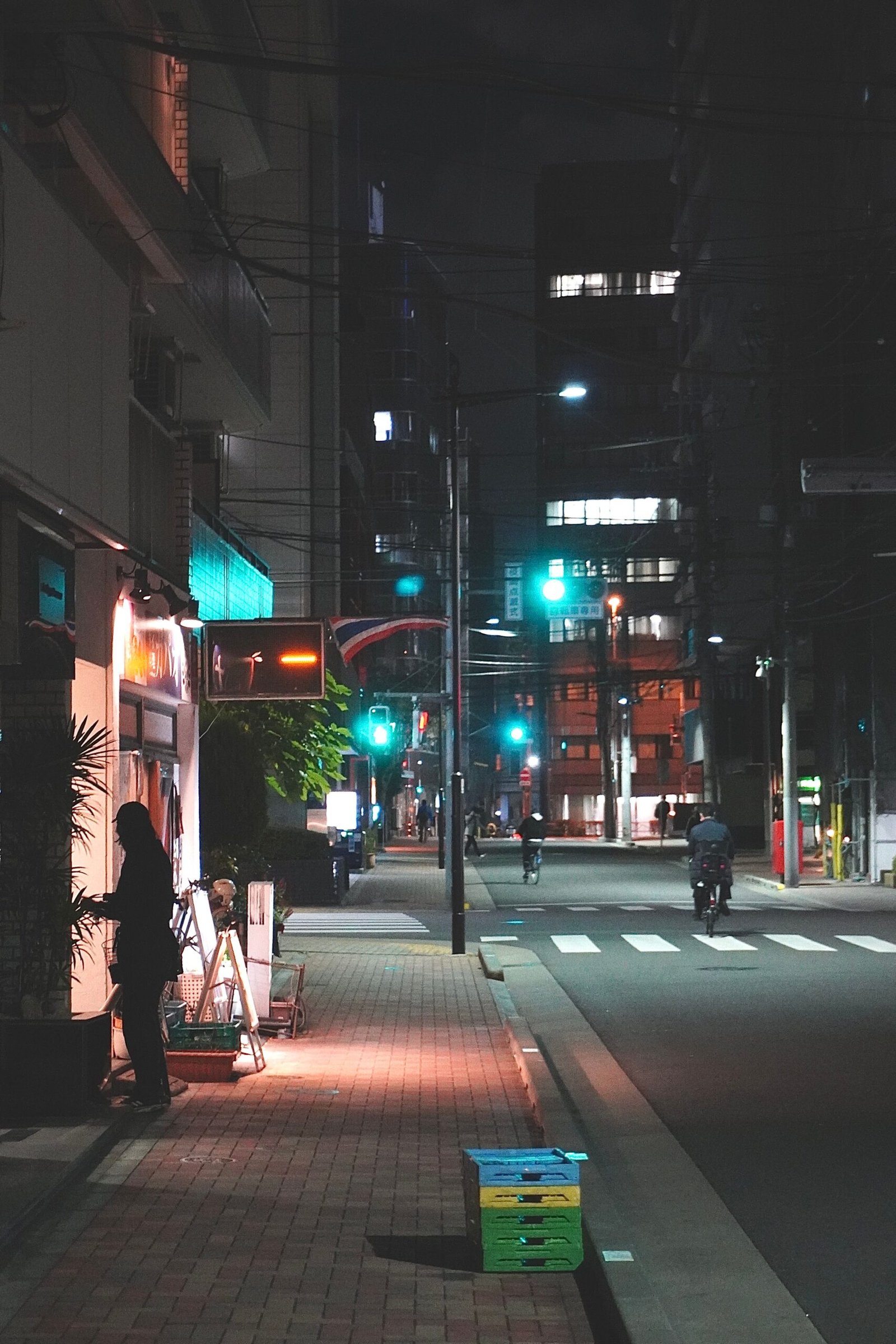

Choosing the Best Hotels in Tokyo isn’t just about star ratings—it’s about matching the right neighborhood to your trip style. Tokyo is a city of distinct hubs connected by world-class rail, so where you sleep can determine whether your days feel effortless or overly commuter-heavy. In this guide, you’ll find reliable hotel picks (from iconic luxury to smart-value stays), plus local, practical advice on the areas that matter most for first-timers and repeat visitors.
Below, I’ll break down the best neighborhoods to base yourself in, what each area feels like at street level, and what to prioritize for transit, sightseeing, dining, and day trips. If you’re comparing Japan itineraries, you may also want to browse best hotels in Kyoto for a classic temple-and-garden base and best hotels in Osaka for food-first neighborhoods.
Compare hotels across these neighborhoods on TravelStayMaps to find the best rates and availability.
A classic, convenient Shinjuku hotel that’s particularly practical for first-time visitors who prioritize transit, dining options on-site, and straightforward logistics for day trips.
› BOOK NOWBest Hotels in Tokyo: Quick Overview
Tokyo’s hotel scene is huge, but the “best” options tend to cluster around major rail hubs and high-demand districts. Here’s the simplest way to narrow it down:
- First trip + maximum convenience: Shinjuku or Ginza/Marunouchi for rail access, dining, and easy navigation.
- Old-Tokyo atmosphere + better value: Asakusa/Ueno—great for temple mornings and quick rides to museums.
- Fashion, nightlife, people-watching: Shibuya/Ebisu for modern Tokyo energy and excellent food density.
- Upscale, central, globally oriented: Roppongi/Akasaka for embassies, international dining, and smooth access to many lines.
Practical note: Tokyo hotel rooms run compact, even at higher price points. Prioritize location and transit first, then amenities, then room size—unless you’re planning lots of in-room time.
A flagship luxury option with standout service, a serene spa, and an ultra-central location near Ginza and Marunouchi. Best for travelers who want a refined base with minimal friction.
› BOOK NOWBest Hotels in Tokyo by Area (Pick Your Base)
Tokyo is best understood as a set of connected “city centers.” You won’t be walking everywhere, but you can absolutely make the city feel simple by staying near the right station (and ideally on multiple lines). When evaluating the Best Hotels in Tokyo, look beyond the neighborhood name and check the nearest station(s), lines served, and walking distance with luggage.
- Shinjuku: unbeatable rail connectivity; great for day trips and nightlife; can feel intense.
- Ginza/Marunouchi: polished, central, close to Tokyo Station; strong for business-class comfort and upscale shopping.
- Asakusa/Ueno: traditional sights, parks, museums; generally better value; slightly less central for nightlife.
- Shibuya/Ebisu: youthful, stylish; excellent dining; good connections via JR Yamanote and metro lines.
- Roppongi/Akasaka: international vibe, nightlife and restaurants; central access across the city.
A smart, modern choice for travelers who want Ginza convenience without full luxury pricing. Ideal for sightseeing-heavy itineraries where location and comfort matter most.
› BOOK NOWShinjuku: Best for First-Timers & Late Nights
Shinjuku is the Tokyo most visitors picture: neon, department stores, endless eateries, and one of the busiest stations in the world. The upside is convenience—Shinjuku Station and nearby hubs (like Nishi-Shinjuku) connect you to JR lines, metro lines, and direct options toward Hakone and Mt. Fuji areas.
Who should stay in Shinjuku
- First-timers who want to see a lot without switching hotels
- Night owls who like late dinners, bars, and people-watching
- Day-trippers planning frequent rail excursions
Local tips for Shinjuku
- Station strategy: Shinjuku has multiple exits and long underground passages. Save your hotel’s best exit in Google Maps and screenshot it.
- Quieter sleep: Consider hotels nearer Nishi-Shinjuku (office towers) for less street noise but still walkable access.
- Food shortcut: Department store basements (depachika) are excellent for high-quality takeaway and snacks.
Compare hotels across these neighborhoods on TravelStayMaps to find the best rates and availability.
A convenient Asakusa pick that balances comfort and value, with an easy walk to Senso-ji and a calmer nighttime atmosphere than Tokyo’s busiest centers.
› BOOK NOWGinza & Marunouchi: Best for Luxury, Shopping, and Easy Connections
Ginza is Tokyo’s classic high-end shopping and dining district—clean lines, flagship stores, cocktail bars, and top-tier service. Just next door, Marunouchi wraps around Tokyo Station, which is a major advantage if you’re taking the Shinkansen to other cities or you want straightforward airport transfers (via train connections). For many travelers seeking the Best Hotels in Tokyo with a premium feel, this is the most consistently “easy mode” neighborhood set.
Who should stay in Ginza/Marunouchi
- Luxury travelers who want polished service and a calm base
- Short stays where efficiency matters (arrive, drop bags, start sightseeing)
- Couples who prefer refined evenings over club-heavy nightlife
Local tips for Ginza/Marunouchi
- Walkable wins: You’re close to the Imperial Palace area for morning strolls and to Tsukiji Outer Market for casual breakfast runs.
- Sunday note: Parts of Ginza become pedestrian-friendly at times, which is great for photos and browsing.
- Room expectations: You’re paying for location and service—rooms may still be compact compared to global luxury standards.
A stylish boutique option near Kaminarimon that’s perfect for travelers who want Asakusa’s atmosphere with a more design-forward, intimate hotel experience.
› BOOK NOWAsakusa & Ueno: Best for Tradition, Temples, and Value
If you want a more traditional Tokyo feel—temple lanterns, small shops, riverside walks—Asakusa delivers. Senso-ji is the headline, but the real advantage is the atmosphere in the early morning and evening, after day visitors thin out. Nearby Ueno adds museums, Ueno Park, and one of the city’s most useful JR hubs. Travelers hunting the Best Hotels in Tokyo on a tighter budget often do well here without sacrificing sightseeing.
Who should stay in Asakusa/Ueno
- Value-focused travelers who still want a memorable neighborhood
- Culture lovers prioritizing museums, parks, and historic streets
- Families who appreciate calmer evenings and straightforward daytime plans
Local tips for Asakusa/Ueno
- Transit check: Aim for easy access to the Ginza Line or Toei Asakusa Line (helpful for moving around without too many transfers).
- Morning advantage: Visit Senso-ji early for better photos and a quieter vibe.
- Food note: Don’t overlook casual set-meal spots (teishoku) around Ueno for great value.
A top-tier Shibuya stay with an elevated, high-rise feel—excellent if you want to be steps from Tokyo’s trend hub while still enjoying luxury-level comfort and views.
› BOOK NOWShibuya & Ebisu: Best for Trendy Tokyo and Food
Shibuya is fast, bright, and always evolving—excellent for shopping, street style, and nightlife. Ebisu, one stop away, is a touch calmer and known for strong dining options (from izakaya to modern bistros). If your image of the Best Hotels in Tokyo includes stepping out into lively streets and walking to dinner without planning, this area makes it easy.
Who should stay in Shibuya/Ebisu
- Food-forward travelers who want density and variety
- Repeat visitors ready to explore neighborhoods beyond the classics
- Shoppers targeting flagship districts and trend-driven stores
Local tips for Shibuya/Ebisu
- Noise vs. convenience: Stay a few blocks off major intersections for better sleep while keeping the location.
- Yamanote Line advantage: JR Yamanote makes it easy to loop to Shinjuku, Harajuku, and Tokyo Station areas.
- Reservation reality: Popular restaurants book out—use hotel concierge help if you’re staying somewhere with strong service.
Roppongi & Akasaka: Best for International Dining and Central Access
Roppongi has a global, upscale edge—museums, towers, and nightlife—while Akasaka leans more business-meets-local with great dining pockets and straightforward metro access. If you want a central base that connects easily to multiple parts of the city (without the sheer sensory intensity of Shinjuku), this is a strong contender among the Best Hotels in Tokyo areas.
Who should stay in Roppongi/Akasaka
- Business + leisure travelers who want smooth logistics
- Travelers who value dining variety (Japanese and international)
- Nightlife fans who prefer a polished club/bar scene
Local tips for Roppongi/Akasaka
- Late-night transport: Trains stop around midnight; if you plan late nights, factor in taxi costs or pick a walkable location to your venues.
- Museum pairing: Plan an afternoon around art museums and skyline views, then dinner nearby—this area is built for it.
- Airport access: Depending on your exact station, transfers can be simple—confirm routes in advance if you have early flights.
Best Hotels in Tokyo: Budget Tips & Transportation Advice
Tokyo can be expensive, but it’s also one of the easiest big cities to navigate efficiently—meaning you can save money by choosing the right base and using transit smartly.
Budget tips that actually move the needle
- Stay near a major station, not necessarily a famous one: A hotel 5–10 minutes from a well-connected station can be cheaper than “on top of” the busiest hubs.
- Book early in peak seasons: Cherry blossom and autumn foliage periods raise prices fast. Lock in a refundable rate if possible.
- Use convenience stores strategically: Quality is high—breakfast and snacks from konbini can reduce daily spend without feeling like a downgrade.
- Consider value luxury: Tokyo sometimes offers excellent weekday pricing in business districts (especially outside holiday weeks).
Transportation advice (simple and practical)
- IC cards: Use a rechargeable IC card (like Suica/PASMO) for tap-and-go trains and many buses—huge time-saver.
- Airport strategy: Narita is farther than it looks on a map. If you’re flying Narita, staying near Tokyo Station/Marunouchi can simplify transfers. Haneda is generally easier and faster to reach.
- Rush hour reality: If possible, avoid commuting-style travel with luggage between 7:30–9:30am and 5:00–7:00pm.
- Taxis: Clean and safe but costly. Use them selectively—late-night, short hops, or when transferring with heavy bags.
If you’re planning a multi-city East Asia trip, it can help to compare how other mega-cities lay out their hotel districts—see best hotels in Seoul for neighborhood-by-neighborhood comparisons.
Booking Tips: Timing, Room Sizes, and What to Expect
Even when you’re targeting the Best Hotels in Tokyo, expectations matter. Tokyo is a city where space is at a premium and design is often optimized for efficiency.
- Room size: Standard doubles can feel compact. If you’re traveling as a couple with large luggage, prioritize “larger double” categories or consider twin rooms.
- Non-smoking vs. smoking: Confirm your preference carefully—availability varies, and switching later isn’t always possible.
- Check-in/check-out: Many hotels are strict. Use luggage storage to maximize your last day.
- Onsen-style baths: Some hotels offer spa-like bathing facilities; policies may vary for tattoos—check ahead if relevant.
- Views: If a skyline view matters, book it explicitly; “city view” can be vague.
Best Hotels in Tokyo: Final Thoughts
The Best Hotels in Tokyo are the ones that make your daily routes simple: quick access to the lines you’ll use most, a neighborhood you genuinely enjoy returning to at night, and a room setup that fits how you travel. For a first visit, Shinjuku or Ginza/Marunouchi is hard to beat for convenience. For traditional atmosphere and value, Asakusa/Ueno shines. And if food and modern city energy are your priorities, Shibuya/Ebisu is the move.
Compare hotels across these neighborhoods on TravelStayMaps to find the best rates and availability.
Once you’ve picked your base, book early for peak seasons and stay flexible with refundable rates when possible. Tokyo rewards good planning—but it’s also a city where even a “wrong” choice can still turn into a great trip if you’re near a useful station and surrounded by good food.
Planning more city breaks? You might also like best hotels in London for first-timers by area for a similar neighborhood-led approach.
Recommended Hotels
📍 Shinjuku (Nishi-Shinjuku)
A landmark luxury stay known for skyline views and calm, polished service. Ideal if you want Shinjuku access while retreating to a quieter, more residential-office pocket at night.
👍 Pros
- + Iconic skyline views
- + Refined service and quiet luxury
- + Great base near Shinjuku without the chaos
👎 Cons
- – Premium pricing
- – Not directly on top of a major station
📍 Shinjuku
A classic, convenient Shinjuku hotel that’s particularly practical for first-time visitors who prioritize transit, dining options on-site, and straightforward logistics for day trips.
👍 Pros
- + Excellent Shinjuku connectivity
- + Good room inventory for different budgets
- + Reliable for first-timers
👎 Cons
- – Can feel busy and large
- – Some rooms feel dated compared to newer builds
📍 Ginza / Marunouchi (Hibiya)
A flagship luxury option with standout service, a serene spa, and an ultra-central location near Ginza and Marunouchi. Best for travelers who want a refined base with minimal friction.
👍 Pros
- + Top-tier luxury and service
- + Prime location for Ginza and central Tokyo
- + Excellent wellness facilities
👎 Cons
- – High nightly rates
- – Luxury pricing across food and extras
📍 Ginza / Shimbashi
A smart, modern choice for travelers who want Ginza convenience without full luxury pricing. Ideal for sightseeing-heavy itineraries where location and comfort matter most.
👍 Pros
- + Great value for Ginza-adjacent stays
- + Convenient access to multiple lines
- + Often strong city views from higher floors
👎 Cons
- – Rooms can be compact
- – Limited resort-style amenities
📍 Asakusa
A convenient Asakusa pick that balances comfort and value, with an easy walk to Senso-ji and a calmer nighttime atmosphere than Tokyo’s busiest centers.
👍 Pros
- + Excellent access to Asakusa sights
- + Good value for room size compared to central districts
- + Great base for early temple visits
👎 Cons
- – Not as central for nightlife
- – Transit may require a few more transfers for some routes
📍 Asakusa
A stylish boutique option near Kaminarimon that’s perfect for travelers who want Asakusa’s atmosphere with a more design-forward, intimate hotel experience.
👍 Pros
- + Boutique feel in a prime Asakusa location
- + Great ambiance for couples
- + Easy access to the Ginza Line
👎 Cons
- – Fewer facilities than large hotels
- – Popular dates sell out quickly
📍 Shibuya
A top-tier Shibuya stay with an elevated, high-rise feel—excellent if you want to be steps from Tokyo’s trend hub while still enjoying luxury-level comfort and views.
👍 Pros
- + High-rise views and upscale comfort
- + Walkable to Shibuya transport and dining
- + Great for modern Tokyo energy
👎 Cons
- – Premium pricing
- – Busy area—choose higher floors for quieter stays
Frequently Asked Questions
What is the best area to stay in Tokyo?
For most first-time visitors, Shinjuku is the best all-around base thanks to unmatched rail access and a huge range of food and shopping. If you prefer a calmer, more polished atmosphere with easy Shinkansen connections, Ginza/Marunouchi near Tokyo Station is excellent. For traditional sights and better value, Asakusa/Ueno is a strong choice.
How many days do you need in Tokyo?
A well-paced first trip is typically 4–6 days. That allows time for a mix of classic neighborhoods (Shinjuku, Shibuya, Asakusa, Ginza), a museum or garden day, and at least one day trip. If you only have 2–3 days, prioritize a very convenient base (Shinjuku or Ginza/Marunouchi) to minimize transit time.
Is it better to stay near Tokyo Station or Shinjuku Station?
Stay near Tokyo Station (Marunouchi) if you plan to take the Shinkansen to other cities or want a smooth, central business-class experience. Stay near Shinjuku if your itinerary includes lots of city neighborhoods plus day trips and you want a lively evening scene. Both are highly convenient—your trip style should decide.
What should I expect from hotel room sizes in Tokyo?
Rooms in Tokyo are often compact, even in higher-end hotels, because space is at a premium. If you’re traveling with large suitcases or want more breathing room, consider booking a larger category, choosing twin beds (often slightly roomier), or prioritizing districts where value can stretch further (like Asakusa/Ueno).
What’s the best way to get from the airport to my Tokyo hotel?
Haneda is usually faster and easier to reach than Narita. For either airport, trains are efficient, but routes vary by neighborhood—Tokyo Station/Marunouchi and Ginza areas can be especially straightforward for connections. If you’re arriving with heavy luggage or late at night, a taxi can be worth the cost for the final leg.
When is the cheapest time to book hotels in Tokyo?
Prices are typically lower outside peak travel windows like cherry blossom season (spring) and autumn foliage season. Weekdays in business-oriented districts can also be better value than weekends. Booking early with a refundable rate is a smart strategy, especially if your dates are fixed.
