
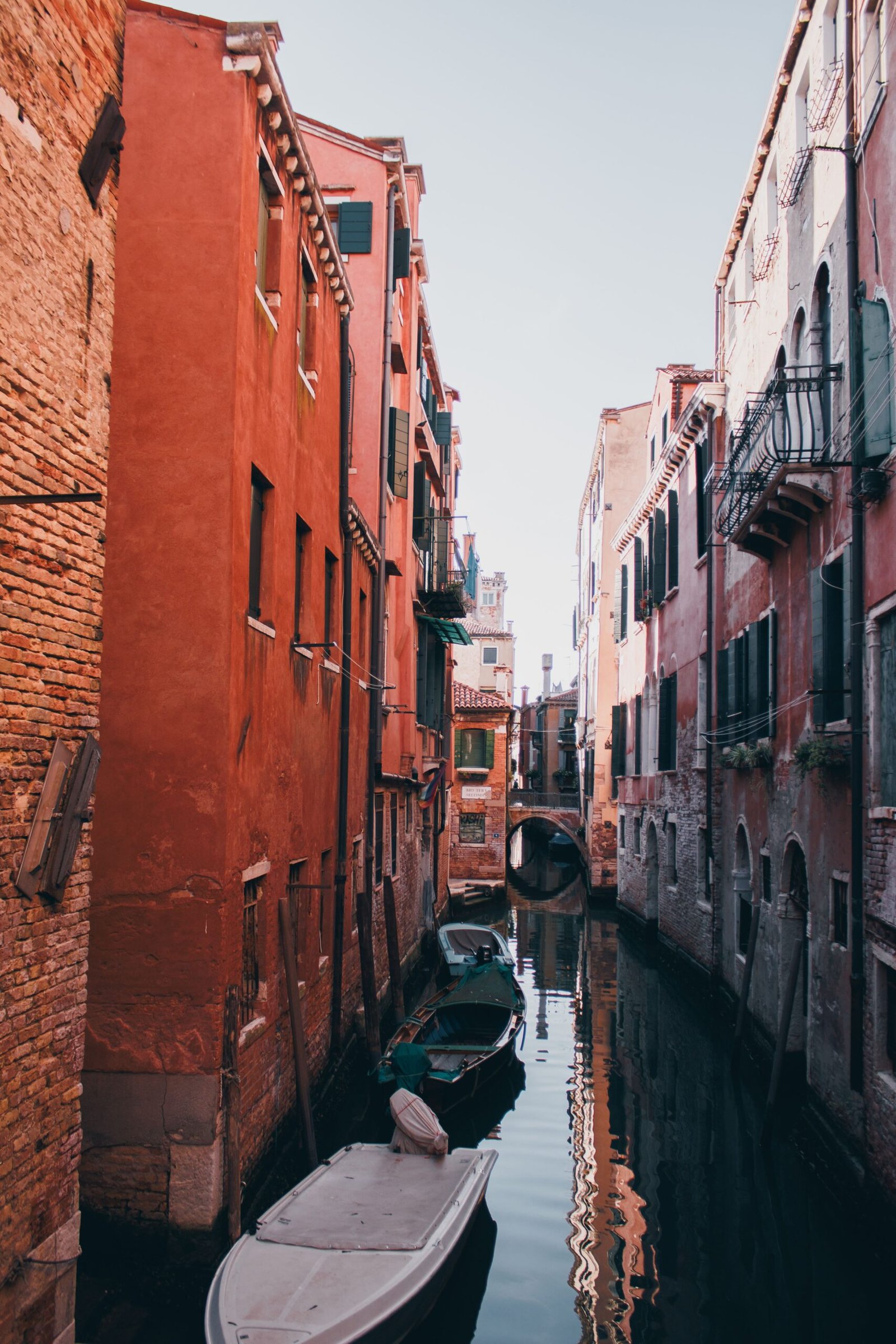

Choosing the best hotels in Venice is less about chains and more about micro-neighborhoods, canalside atmospheres, and how you want to move around the city—on foot, by vaporetto, or via private water taxi. Venice is compact, but your experience changes dramatically depending on whether you wake up near Piazza San Marco, a quiet Dorsoduro canal, or steps from the train station for an easy arrival. This guide breaks down the best areas to stay, the hotel styles that suit each one, and practical tips to book the right fit for your trip.
Venice also has a few “gotchas”: rolling luggage over bridges is no fun, some hotels have water-door access (amazing) and others don’t, and room sizes can be notably smaller than you’d expect for the price. Use the neighborhood sections below to match vibe, convenience, and budget—and then use the hotel picks to narrow down your shortlist.
Compare hotels across these neighborhoods on TravelStayMaps to find the best rates and availability.
A refined, historic hotel in the heart of San Marco—ideal if you want to be near the Basilica and Doge’s Palace. It balances classic Venetian styling with the convenience of a central, walk-everywhere location.
› BOOK NOWBest Hotels in Venice: Quick Overview
Venice is a city of short distances and big tradeoffs. If you prioritize major sights and a “once-in-a-lifetime” feel, base yourself in San Marco. If you’d rather swap crowds for galleries, cicchetti bars, and evenings that feel lived-in, Dorsoduro or Cannaregio are the sweet spot. If you want the simplest arrival and departure (especially with kids or heavy bags), Santa Croce near Piazzale Roma is the easiest. And if you need more space, beach time, or a calmer pace, the Lido is your pressure-release valve—still connected by frequent ferries.
- Best for first-timers: San Marco (walkable icons, early-morning magic)
- Best for couples: Dorsoduro (sunsets, quiet canals, wine bars)
- Best value: Cannaregio (local dining, less “tour group” energy)
- Best for easy logistics: Santa Croce/Piazzale Roma (no long schleps)
- Best for space + beach: Lido (larger rooms, calmer nights)
Looking for more Italy hotel inspiration? You might also like where to stay in Florence for first-timers or the best areas to stay in Rome—both helpful if Venice is part of a multi-city itinerary.
A palazzo-style stay that leans into Venice’s aristocratic past, with dramatic common spaces and Grand Canal views. A strong pick if you want luxury character while being well placed for both Rialto and Cannaregio dining.
› BOOK NOWBest Areas for the Best Hotels in Venice
Venice’s historic center is made up of districts (sestieri), each with its own rhythm. The “best” area depends on how you plan to arrive, what time you’ll be out, and whether you want to pay a premium for postcard views. As you compare the best hotels in Venice, keep these quick neighborhood realities in mind:
- Bridge factor: Venice has lots of bridges and steps. If mobility is a concern, pick a hotel with fewer bridges between you and your arrival point (train/bus) or consider a water taxi on arrival.
- Canal-view premium: Grand Canal views can add significant cost. Side-canal views often feel just as “Venice,” with more quiet and better value.
- Soundscape: San Marco can be lively early and late. Cannaregio and Dorsoduro generally sleep better.
- Dining: Tourist density correlates with higher prices and more generic menus. You’ll often eat better in Cannaregio and parts of Dorsoduro.
A boutique favorite that combines a calmer canal-side setting with easy access to Piazzale Roma and the train station. Great for couples who want comfort and convenience without giving up atmosphere.
› BOOK NOWSan Marco: Iconic Sights & Classic Luxury
San Marco is Venice at its most cinematic: Piazza San Marco, the Basilica, the Doge’s Palace, and that unmistakable lagoon light. Staying here puts you steps from the classics—especially rewarding in the early morning or late evening when day-trippers have gone. The tradeoff is price and crowds; you’ll pay more for convenience and prestige, and you’ll want to be intentional about dining to avoid tourist traps.
Who it’s best for
- First-time visitors who want to maximize sightseeing on foot
- Luxury travelers chasing Grand Canal views and historic grandeur
- Short stays (1–2 nights) where location matters most
Local tips
- Early entry magic: Wake up early to experience Piazza San Marco almost empty—one of the most memorable moments you can have in Venice.
- Eat one district over: For better value, walk toward Castello or San Polo for dinner; prices often drop after just 10–15 minutes on foot.
- Vaporetto planning: If you’ll use water buses frequently, choose a hotel within easy reach of a major stop like San Marco Vallaresso.
Compare hotels across these neighborhoods on TravelStayMaps to find the best rates and availability.
A design-forward boutique stay in laid-back Dorsoduro, well positioned for Zattere strolls and an artsy Venice vibe. A smart option if you want something more contemporary than classic palazzo décor.
› BOOK NOWDorsoduro: Artsy, Laid-Back, Very Local
Dorsoduro is where Venice feels more residential—still beautiful, but with a calmer pace. You’re close to major cultural draws like the Peggy Guggenheim Collection and the Gallerie dell’Accademia, plus excellent cicchetti (Venetian tapas) and wine bars. It’s a strong choice for couples and repeat visitors who want romance without the crush of San Marco.
Who it’s best for
- Couples and honeymooners who want a quieter canal vibe
- Art lovers and museum-goers
- Travelers who enjoy walking and discovering small squares
Local tips
- Sunset strategy: Head to Zattere for lagoon views and golden-hour strolls.
- Late-night ease: Dorsoduro generally feels more relaxed in the evenings, with fewer “only souvenir” streets.
- Accademia access: Staying near Accademia Bridge makes it simple to reach San Marco while sleeping outside the busiest zone.
A practical, good-value choice in Cannaregio with a more contemporary feel than many Venetian hotels. Ideal if you want comfort and a calmer base, while still being connected by vaporetto and walkable routes.
› BOOK NOWCannaregio: Authentic Venice & Great Value
If you want the strongest combination of local atmosphere and better value, Cannaregio is hard to beat. It’s home to the historic Jewish Ghetto and long canals lined with neighborhood bars and restaurants. Many travelers find Cannaregio offers some of the most satisfying stays among the best hotels in Venice, because you’re still close to the center—but removed from the most intense crowds.
Who it’s best for
- Food-focused travelers and cicchetti fans
- Mid-range budgets that still want charm and character
- Visitors arriving by train (Cannaregio borders the station area)
Local tips
- Train arrival win: If you’re walking from Venezia Santa Lucia station, choose a property with a straightforward route to minimize bridges.
- Restaurant sweet spot: The further you drift from the Rialto/San Marco corridor, the easier it is to find good-value menus.
- Morning routine: Grab a pastry and coffee at a local bar, then walk toward the center before day crowds build.
A classic Lido resort with beach access and a glamorous history—best for travelers who want Venice sightseeing plus downtime by the sea. Expect more facilities than you’ll typically find in the historic center.
› BOOK NOWSanta Croce & Piazzale Roma: Easiest Logistics
Venice’s buses, taxis, and parking terminate at Piazzale Roma. If you’re arriving with heavy bags, traveling with kids, or planning day trips with early starts, staying in Santa Croce (near Piazzale Roma) can make your trip dramatically smoother. It’s less “postcard Venice” than San Marco, but it’s convenient—and often quieter at night.
Who it’s best for
- Families and travelers with mobility considerations
- Short-stay visitors who want quick in/out access
- Anyone prioritizing fewer bridges with luggage
Local tips
- Airport transfers: From Marco Polo Airport, you can take the bus to Piazzale Roma or a boat transfer to a nearby stop—choose based on your budget and how much luggage you have.
- Day trips: This area makes early departures (Murano/Burano, Verona, Padua) simpler.
Lido: Beaches, Space, and a Quieter Reset
The Lido is a narrow barrier island facing Venice, known for its beaches and the Venice Film Festival. It’s a smart choice if you want more breathing room, larger rooms for the price, or a calm base after busy sightseeing days. Ferries connect you to San Marco and other parts of the city; the main tradeoff is that you’ll plan your evenings around vaporetto schedules.
Who it’s best for
- Travelers visiting in warmer months who want beach time
- Families who need more space and quieter nights
- Repeat visitors who don’t need to be in the thick of the sights
Local tips
- Timing: Build in a little buffer for ferry waits—especially late at night.
- Value play: Lido can offer better deals during peak Venice dates when the historic center spikes.
Budget & Booking Tips for Best Hotels in Venice
Venice can be expensive, but smart planning goes a long way. These tips help you land the best hotels in Venice for your budget—without sacrificing comfort or location.
- Book earlier than you think: For spring through early fall, the best-value rooms in great areas often disappear first. If your dates are fixed, lock in a flexible rate early.
- Choose “side canal” over “Grand Canal”: Side-canal rooms deliver the Venice mood with a smaller price jump.
- Factor the city tax: Venice charges a per-person, per-night tourist tax (varies by hotel category and season). Budget for it separately.
- Mind the breakfast math: Hotel breakfasts can be pricey. If it’s not included, you can often eat better (and cheaper) at local bars: espresso + pastry is the Venetian classic.
- Consider shoulder season: Late fall and winter (excluding holidays) can offer better hotel prices and a quieter feel—just expect more acqua alta risk and shorter daylight.
- Watch for accessibility notes: “No elevator” is common in historic buildings. If stairs are an issue, confirm lift availability and the number of steps to reception.
If your Italy itinerary continues, compare with the best hotels in Milan for shopping and design to help plan a smooth route north or south.
Getting Around Venice: Transport Advice
Venice is best explored on foot, but water transport can save time (and energy). Where you stay influences how often you’ll rely on the vaporetto.
From the airport (VCE Marco Polo) to Venice
- Bus to Piazzale Roma: Typically the best-value option, then walk or take a vaporetto to your stop.
- Alilaguna water bus: A scenic, mid-priced option with routes to key stops (great if your hotel is near a served stop).
- Private water taxi: Most expensive, but the easiest with luggage—and undeniably memorable, especially for a special trip.
Vaporetto basics
- Single rides add up: If you plan multiple rides per day, consider a multi-day pass. If you’re mostly walking, buy singles as needed.
- Rush hour: Mornings and late afternoons can be crowded. Build extra time if you’re catching trains or timed entries.
- Stop selection: When comparing the best hotels in Venice, check the walking time to the nearest vaporetto stop—this matters more than it seems at the end of a long day.
Luggage reality check
- Bridges + wheels: Small, durable wheels are better than large spinner luggage. Packing lighter makes Venice instantly more enjoyable.
- Porter services: Available in some areas and can be worth it if you’re staying deep in the historic center.
Final Thoughts: Picking the Right Stay
The “right” choice among the best hotels in Venice depends on what you want to feel when you open the door each day: the grandeur of San Marco, the calm charm of Dorsoduro, the lived-in energy of Cannaregio, the convenience of Santa Croce, or the breathing space of the Lido. Prioritize your arrival logistics, confirm elevator and room-size expectations, and decide whether you want to splurge on a view or spend that budget on experiences—museum tickets, boat trips, and long, lingering dinners.
Compare hotels across these neighborhoods on TravelStayMaps to find the best rates and availability.
With the neighborhoods clear, booking becomes simple: pick the area that matches your pace, then choose the hotel that matches your style. Venice rewards the right base—and a little planning goes a long way.
Recommended Hotels
📍 San Marco (Grand Canal)
One of Venice’s most iconic luxury addresses, set directly on the Grand Canal near San Marco. Expect polished service, heritage-rich design, and a true splurge-worthy atmosphere for anniversaries and once-in-a-lifetime trips.
👍 Pros
- + Legendary Grand Canal location
- + Classic Venetian interiors and service
- + Excellent for special occasions
👎 Cons
- – Premium pricing year-round
- – Some rooms are smaller than expected for the category
📍 San Marco
A refined, historic hotel in the heart of San Marco—ideal if you want to be near the Basilica and Doge’s Palace. It balances classic Venetian styling with the convenience of a central, walk-everywhere location.
👍 Pros
- + Steps from Piazza San Marco
- + Elegant, historic feel
- + Great base for first-timers
👎 Cons
- – Can be busy in peak season
- – Some rooms face narrow streets with limited views
📍 Cannaregio (Grand Canal near Rialto)
A palazzo-style stay that leans into Venice’s aristocratic past, with dramatic common spaces and Grand Canal views. A strong pick if you want luxury character while being well placed for both Rialto and Cannaregio dining.
👍 Pros
- + Palazzo setting with museum-like interiors
- + Strong Grand Canal presence
- + Good access to Rialto and Cannaregio
👎 Cons
- – Not the quietest location due to canal traffic
- – Historic layout isn’t ideal for everyone
📍 Dorsoduro / Santa Croce edge (near Piazzale Roma)
A boutique favorite that combines a calmer canal-side setting with easy access to Piazzale Roma and the train station. Great for couples who want comfort and convenience without giving up atmosphere.
👍 Pros
- + Excellent for arrival/departure logistics
- + Romantic canal-side feel
- + Comfort-forward rooms for Venice
👎 Cons
- – Not in the very center of the sights
- – Popular—availability can be tight
📍 Dorsoduro (Zattere area)
A design-forward boutique stay in laid-back Dorsoduro, well positioned for Zattere strolls and an artsy Venice vibe. A smart option if you want something more contemporary than classic palazzo décor.
👍 Pros
- + Stylish design with a local, modern edge
- + Excellent area for sunset walks
- + Good dining and drinks on-site
👎 Cons
- – Not ideal if you want to be next door to San Marco
- – Some rooms may be compact
📍 Cannaregio
A practical, good-value choice in Cannaregio with a more contemporary feel than many Venetian hotels. Ideal if you want comfort and a calmer base, while still being connected by vaporetto and walkable routes.
👍 Pros
- + Strong value for a 4-star in Venice
- + Quieter setting with good transport access
- + Modern comforts compared to many historic properties
👎 Cons
- – Farther from San Marco on foot
- – Area can feel less ‘postcard’ than the center
📍 Lido di Venezia
A classic Lido resort with beach access and a glamorous history—best for travelers who want Venice sightseeing plus downtime by the sea. Expect more facilities than you’ll typically find in the historic center.
👍 Pros
- + Beach resort vibe close to Venice
- + More space and amenities than typical city hotels
- + Great for summer trips and families
👎 Cons
- – Commute required to historic center
- – Seasonality affects the full resort experience
Frequently Asked Questions
What is the best area to stay in Venice?
For most first-time visitors, San Marco is the best area to stay in Venice because it’s walkable to the major sights and feels unmistakably “Venice” day and night. If you prefer a quieter, more local base with excellent dining and canal atmosphere, Cannaregio and Dorsoduro are often better value and easier for evening strolls. For the simplest arrival and departure with luggage, Santa Croce near Piazzale Roma is the most convenient.
How many nights should I stay in Venice?
Two nights (about 1.5–2 full days) is the sweet spot for first-timers: enough time for San Marco, a gondola or canal experience, and unstructured wandering. Three nights is ideal if you want to add Murano/Burano, museums in Dorsoduro, or a slower pace with long meals and neighborhood exploration.
Is it better to stay near the train station in Venice?
Staying near Venezia Santa Lucia train station (Cannaregio side) can be a great choice if you’re arriving with heavy luggage, doing day trips, or leaving early. You’ll trade some “center-stage” atmosphere for easier logistics and often better hotel value. Just confirm your walking route—some hotels may still require multiple bridges unless they’re close to a vaporetto stop.
Do I need to take the vaporetto if I stay in Venice?
Not necessarily—Venice is very walkable, especially if you stay in San Marco, San Polo, or parts of Dorsoduro. However, many visitors use the vaporetto to save time, reduce walking after long days, or reach islands like Murano and Burano. If you plan several rides per day, a multi-day pass can be more economical than individual tickets.
Are Venice hotels really small and do they have elevators?
Many Venice hotels are in historic buildings, so room sizes can be smaller than travelers expect, especially in central areas. Elevators are not guaranteed—some properties have none or have small lifts that don’t reach every floor. If stairs or room size are important, confirm the details before booking and consider newer 4-star options or areas like Cannaregio and the Lido, where you may get more space for the price.
What are the best budget tips for staying in Venice?
To save money, book early for peak season, consider Cannaregio or Santa Croce for better value, and don’t pay extra for a Grand Canal view unless it’s a top priority. If breakfast isn’t included, eat like locals at neighborhood bars (espresso and pastry). Also budget for the city tourist tax, which is paid at the hotel and varies by season and hotel category.
