
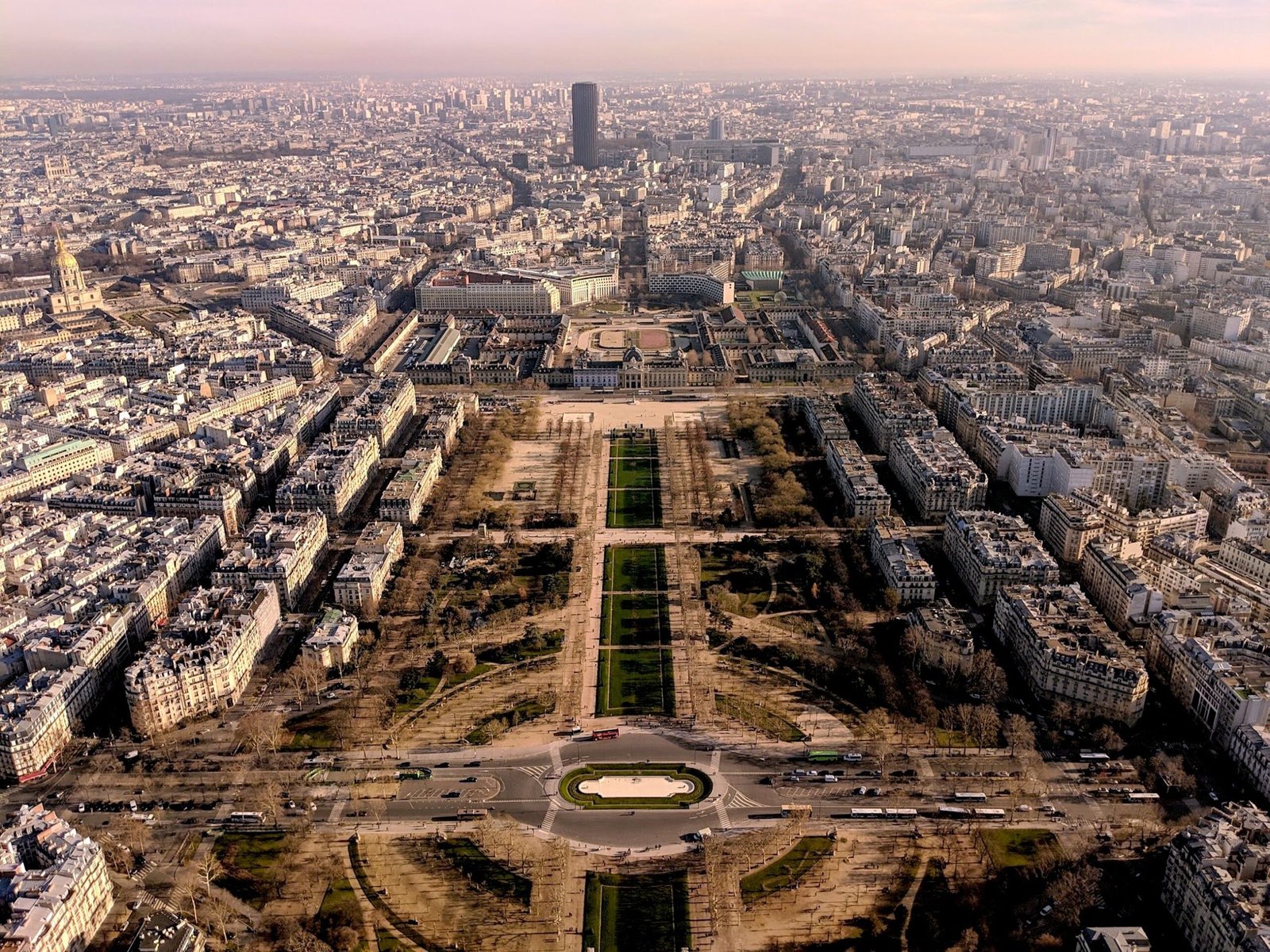

Choosing among the best hotels in Paris is less about “one perfect property” and more about matching the right neighborhood to your trip style—first-time sightseeing, romantic weekends, family logistics, shopping, nightlife, or a quiet local feel. Paris is compact, but each arrondissement has a distinct rhythm: the Louvre area is ultra-central, Le Marais is stylish and walkable, Saint‑Germain is classic and café-filled, the Latin Quarter is lively and good value, and the Eiffel Tower side is calm and photogenic at golden hour.
In this guide to the best hotels in Paris, you’ll find neighborhood-by-neighborhood advice, practical transport and budget tips, and curated hotel picks that consistently deliver on location, comfort, and experience—without wasting time on places that look good online but feel inconvenient in real life.
Compare hotels across these neighborhoods on TravelStayMaps to find the best rates and availability.
A stylish boutique pick near Opéra with wellness extras that feel luxurious after a long day on foot. Great for travelers who want central access but prefer a quieter, more residential-feeling street.
› BOOK NOWBest Hotels in Paris by Neighborhood (Quick Picks)
If you want the fastest route to the best hotels in Paris, start with your “home base” neighborhood. Here’s a quick way to match areas to travel styles:
- First time in Paris / maximum sightseeing: Louvre & Opéra (1st–2nd). You’ll be near major museums, classic boulevards, and multiple métro lines.
- Food, boutiques, and a social vibe: Le Marais (3rd–4th). Great for walking, small shops, and easy Seine access.
- Classic Left Bank atmosphere: Saint‑Germain (6th). Café culture, galleries, and a polished feel.
- Good value with central access: Latin Quarter (5th). Lively, historic, and often better-priced than the 1st/6th.
- Quiet, elegant, and photogenic: Eiffel Tower side (7th–16th). Especially nice for couples and slower mornings.
- Artsy + nightlife: Montmartre & South Pigalle (9th–18th). Iconic hilltop views and a fun after-dark scene.
For more Europe inspiration, you might also like where to stay in London for first-timers or top neighborhoods and hotels in Rome—helpful for comparing “super-central vs. character” bases.
A charming, character-filled hotel that places you right in the heart of Le Marais. Perfect if you plan to spend your days exploring on foot and want a cozy, atmospheric base at a reasonable price point.
› BOOK NOWLouvre & Opéra (1st–2nd): Ultra-Central for First-Timers
If your goal is to see everything with minimal transit time, the 1st and 2nd arrondissements are hard to beat. You’re within easy reach of the Louvre, Tuileries Garden, Palais Royal, Opéra Garnier, and major shopping streets. The tradeoff: rooms can be smaller, and prices rise quickly in peak months.
Why stay here
- Walkability: Many top sights are 10–25 minutes on foot.
- Transit power: Multiple métro lines intersect (great for day trips and switching plans mid-day).
- Convenience: Early museum slots and late dinners are easier when you’re central.
Good to know
- Noise: Ask for higher-floor rooms or courtyard-facing rooms if you’re sensitive.
- Dining: Tourist-heavy pockets exist—walk 5–10 minutes away from major landmarks for better value.
Compare hotels across these neighborhoods on TravelStayMaps to find the best rates and availability.
A top-tier boutique stay hidden behind ivy-covered walls on Place des Vosges. It’s a romantic splurge with spa amenities and a serene feel—ideal for anniversaries, honeymoons, or a once-in-a-lifetime Paris trip.
› BOOK NOWLe Marais (3rd–4th): Boutiques, Food, and Easy Walks
Le Marais is one of the best-balanced places to stay in Paris: central without feeling corporate, lively but not purely nightlife-driven, and packed with small museums, bakeries, and shopping streets. It’s ideal if you like to structure your day around cafés, browsing, and scenic walks rather than a strict monument checklist.
Why stay here
- Neighborhood feel: Beautiful historic streets, courtyards, and a local-meets-visitor mix.
- Food & drinks: Excellent casual dining and wine bars—great for spontaneous evenings.
- Central access: Easy walks to the Seine, Île de la Cité, and many Right Bank highlights.
Good to know
- Room sizes: Many buildings are older; prioritize layout and elevator access if that matters.
- Weekend crowds: Shopping streets can get busy; plan museum visits earlier in the day.
A chic, contemporary option in Saint‑Germain that pairs a classic Paris base with modern comfort. A smart pick for travelers who care about neighborhood ambiance as much as proximity to sights.
› BOOK NOWSaint‑Germain‑des‑Prés (6th): Classic Paris, Cafés & Galleries
Saint‑Germain delivers that “literary Paris” feeling—elegant streets, art galleries, and iconic cafés. It’s polished, safe, and convenient for the Left Bank, with excellent access to the Luxembourg Gardens and the Seine. For couples and culture-focused travelers, it’s a top contender among the best hotels in Paris neighborhoods.
Why stay here
- Atmosphere: Refined without being sterile.
- Central Left Bank base: Ideal for Orsay, Rodin Museum, and riverside walks.
- Shopping: From boutiques to gourmet food stores.
Good to know
- Pricing: Often premium; book early for better value.
- Dining: Tourist-trap cafés exist—look for smaller side streets and bistros with shorter menus.
A consistently well-reviewed boutique hotel that works especially well for travelers who want central access without paying 1st-arrondissement premiums. Expect a comfortable, well-managed stay and easy transit links.
› BOOK NOWLatin Quarter (5th): Value, Student Energy, and River Walks
The Latin Quarter is a classic choice if you want a central location without the highest price tag. Anchored by the Sorbonne and packed with bookshops and casual restaurants, it’s energetic and convenient—especially for travelers who plan to spend most days out exploring rather than lounging at the hotel.
Why stay here
- Better-value hotels: Often more affordable than Saint‑Germain while remaining walkable.
- Easy transit: Great connections via métro and RER for airport or day trips.
- Nighttime vibe: Plenty of casual places to eat late.
Good to know
- Street noise: Some streets are lively; choose quieter side streets if you’re a light sleeper.
- Hills & steps: Not as steep as Montmartre, but there are small climbs—pack comfortable shoes.
A practical, high-comfort option for travelers who prioritize proximity to the Eiffel Tower and straightforward amenities. Great for families and first-time visitors who want an easy, predictable stay in a landmark location.
› BOOK NOWEiffel Tower Side (7th–16th): Calm Streets & Iconic Views
If you picture early mornings photographing the Eiffel Tower and evenings strolling wide boulevards, the 7th and parts of the 16th are a great fit. This area is more residential and diplomatic, with a quieter feel at night. It can be less “buzzing” than central-right-bank neighborhoods, but that’s exactly why many travelers love it.
Why stay here
- Peace and space (by Paris standards): A calmer home base after busy sightseeing days.
- Scenic walks: Champ de Mars, Seine quays, and bridges at sunrise/sunset.
- Family-friendly: Quieter streets and parks, plus easy taxi access.
Good to know
- Transit planning: You may rely more on métro transfers to reach the Marais or Montmartre.
- Dining: Great markets and bakeries, but fewer trendy late-night spots.
Montmartre & South Pigalle (9th–18th): Character & Nightlife
Montmartre is undeniably atmospheric: cobbled streets, city views, and a village-on-a-hill feel. South Pigalle (SoPi) and the 9th nearby add nightlife, cocktail bars, and concert venues. This is a strong pick if you want Paris with edge and personality—just be ready for slopes and stairs.
Why stay here
- Distinct character: Feels different from the museum-and-monument core.
- Food and nightlife: Especially around the 9th and SoPi.
- Value pockets: You can sometimes find better deals than ultra-central districts.
Good to know
- Mobility: The hill is real—consider proximity to a métro station and whether your hotel has an elevator.
- Safety: Generally fine, but stay alert late at night around the busiest tourist corridors.
Budget Tips & Transportation Advice
How to get around (and when to walk)
- Métro is fastest for cross-town hops: Paris’s métro is dense; most attractions are within a short walk of a station. Keep an eye on stair-heavy stations if you have luggage.
- RER for airports and day trips: RER B is common for CDG/Orly connections (depending on your route), while other lines help with Versailles and beyond.
- Walking saves time in central Paris: In the 1st–4th and 5th–6th, many rides are slower than walking once you factor in stairs and transfers.
- Taxis/ride-hailing: Handy at night or with kids—especially from the 7th/16th back to the Right Bank.
Money-saving strategies that actually work
- Stay near a well-connected station, not necessarily “next to the Eiffel Tower”: A convenient métro hub often beats a postcard view if you’re sightseeing hard.
- Prioritize breakfast smartly: Hotel breakfasts can be pricey. A local bakery breakfast (coffee + pastry) is usually better value and more fun.
- Travel shoulder season: Late fall and winter (outside holidays) often bring better hotel pricing—especially for higher-category stays.
- Book flexible, then re-check: If your rate is flexible, monitor price drops and rebook.
If Paris is part of a multi-city trip, you may also like best areas to stay in Barcelona for a similar neighborhood-based approach.
Booking Tips for the Best Hotels in Paris
- Confirm elevator access: Many Paris buildings are historic; not all have elevators, and some have small lifts.
- Check room size in square meters: Photos can be deceptive. If space matters, use the listed sqm as your filter.
- Ask about A/C in summer: Not every hotel has strong air conditioning; July–August can be hot.
- Look for soundproofing: Central streets can be lively—double glazing is a real quality-of-sleep upgrade.
- Plan for early check-in/late check-out: If you land in the morning, luggage storage (and a nearby café) makes day one much easier.
Wrap-Up: Choosing the Best Hotels in Paris
The best hotels in Paris are the ones that fit your itinerary and energy. If you want maximum convenience, base yourself in the Louvre/Opéra area. If you want style and walkability, choose Le Marais. For classic Left Bank charm, Saint‑Germain is hard to top. For value and a lively scene, the Latin Quarter is dependable. If you prefer calm streets and iconic views, aim for the Eiffel Tower side. And if you want bohemian character and nightlife, Montmartre and South Pigalle deliver.
Compare hotels across these neighborhoods on TravelStayMaps to find the best rates and availability.
Once you’ve picked your neighborhood, lock in a hotel that matches your priorities—sleep quality, elevator access, room size, and transit convenience—and you’ll have a Paris trip that feels effortless from day one.
Recommended Hotels
📍 Louvre / 1st Arrondissement
A polished, heritage-style hotel steps from the Louvre and Palais Royal. Ideal for first-timers who want to maximize sightseeing time and return to a refined, well-run base in the heart of Paris.
👍 Pros
- + One of the most central locations for sightseeing
- + Elegant, classic Parisian feel
- + Great access to multiple métro lines
👎 Cons
- – Premium pricing in peak season
- – Some rooms run compact
📍 Opéra / 2nd Arrondissement
A stylish boutique pick near Opéra with wellness extras that feel luxurious after a long day on foot. Great for travelers who want central access but prefer a quieter, more residential-feeling street.
👍 Pros
- + Boutique design with a true “Paris stay” atmosphere
- + Rare perk: a small indoor pool
- + Walkable to Opéra and shopping
👎 Cons
- – Pool/spa area can get busy
- – Not all rooms have the same level of natural light
📍 Le Marais / 4th Arrondissement
A charming, character-filled hotel that places you right in the heart of Le Marais. Perfect if you plan to spend your days exploring on foot and want a cozy, atmospheric base at a reasonable price point.
👍 Pros
- + Excellent Marais location near boutiques and cafés
- + Romantic, old-Paris décor that fits the neighborhood
- + Good value for the area
👎 Cons
- – Smaller rooms typical of central Paris
- – Limited on-site facilities beyond breakfast
📍 Le Marais / Place des Vosges (3rd/4th border)
A top-tier boutique stay hidden behind ivy-covered walls on Place des Vosges. It’s a romantic splurge with spa amenities and a serene feel—ideal for anniversaries, honeymoons, or a once-in-a-lifetime Paris trip.
👍 Pros
- + One of the most beautiful settings in Paris (Place des Vosges)
- + Quiet, tucked-away entrance despite central location
- + Excellent for couples and special occasions
👎 Cons
- – High nightly rates
- – Limited availability due to strong demand
📍 Saint‑Germain / 6th Arrondissement
A chic, contemporary option in Saint‑Germain that pairs a classic Paris base with modern comfort. A smart pick for travelers who care about neighborhood ambiance as much as proximity to sights.
👍 Pros
- + Strong Left Bank location for cafés and galleries
- + Design-forward interiors with a warm, upscale vibe
- + Great dining and cocktail scene nearby
👎 Cons
- – Some rooms may feel tight if traveling with large luggage
- – Prices rise quickly on weekends
📍 Latin Quarter / 5th Arrondissement
A consistently well-reviewed boutique hotel that works especially well for travelers who want central access without paying 1st-arrondissement premiums. Expect a comfortable, well-managed stay and easy transit links.
👍 Pros
- + Excellent value for a central, walkable area
- + Comfort-focused rooms and reliable service
- + Great access to the Latin Quarter and the Seine
👎 Cons
- – No large on-site wellness facilities
- – Busy periods can sell out early
📍 Eiffel Tower / 15th–7th border
A practical, high-comfort option for travelers who prioritize proximity to the Eiffel Tower and straightforward amenities. Great for families and first-time visitors who want an easy, predictable stay in a landmark location.
👍 Pros
- + One of the closest major hotels to the Eiffel Tower
- + Convenient for sunrise/sunset Eiffel photos
- + Solid facilities and reliable international standards
👎 Cons
- – Can feel busy and high-traffic
- – Not the most “boutique Paris” atmosphere
Frequently Asked Questions
What is the best area to stay in Paris for first-time visitors?
For most first-timers, the Louvre & Opéra area (1st–2nd arrondissements) is the easiest base because you’re close to major sights and have excellent métro connections. If you want a more neighborhood feel while staying central, Le Marais (3rd–4th) is a close second—walkable, stylish, and packed with dining options.
Are the best hotels in Paris located near the Eiffel Tower?
Some of the best hotels in Paris are near the Eiffel Tower, especially in the 7th and parts of the 16th, but it’s not the only “best” location. Staying near the Tower is calmer and scenic, while areas like the 1st–4th are often better for fast sightseeing and shorter travel times to museums, shopping, and multiple landmarks.
How many nights should I stay in Paris?
A good first trip is 4–5 nights, which allows time for the Louvre/Orsay, a few neighborhoods (Marais, Saint‑Germain, Montmartre), and a relaxed day for markets or a day trip. If you only have 2–3 nights, choose a very central base (1st–4th or 5th–6th) to reduce transit time.
What’s the best way to get from the airports to central Paris?
From Charles de Gaulle (CDG), many travelers use the RER B into the city, then connect to the métro or walk depending on luggage. From Orly (ORY), connections vary by route and can involve rail links and/or shuttles. If you’re arriving late, traveling with kids, or carrying large bags, a taxi can be worth the extra cost for a door-to-door ride—especially to areas like Le Marais or the 7th.
When is the cheapest time to book hotels in Paris?
Better-value periods are typically late fall and winter (outside major holidays), when demand is lower and you may find more competitive rates in central neighborhoods. For peak periods (late spring, summer, and major events), booking earlier usually provides more choice, especially for popular boutique hotels with limited room inventory.
Do Paris hotels usually have air conditioning and elevators?
Not always. Many buildings are historic, so elevators can be small or absent, and air conditioning quality varies widely. If you’re traveling in summer or have mobility concerns, filter specifically for A/C and elevator access, and double-check the room details before booking.
