
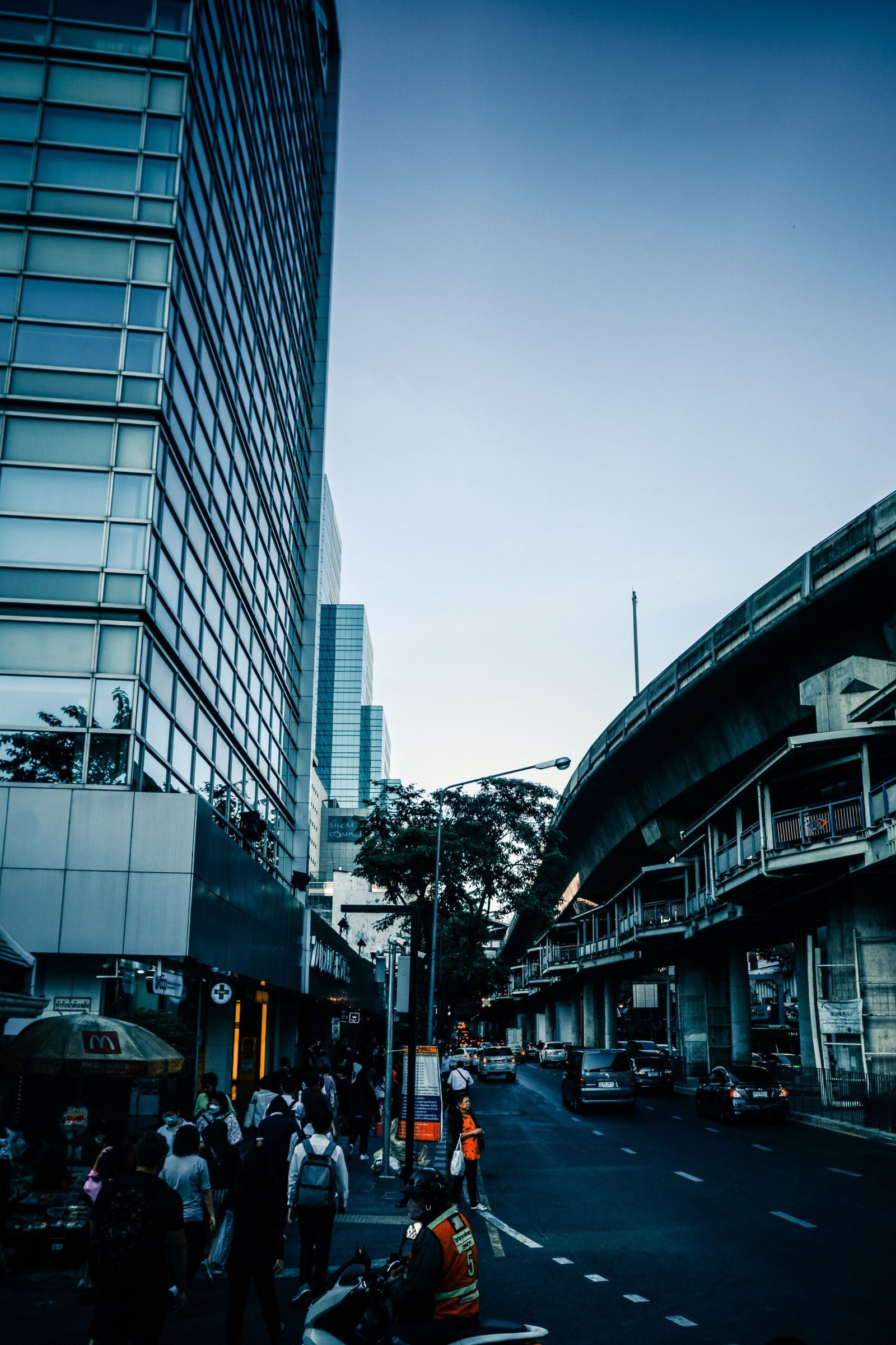

Best Hotels in Bangkok span everything from riverside icons and rooftop-pool boutiques to ultra-practical business hotels steps from the BTS. The key to choosing well is matching your trip style to the right neighborhood—because Bangkok is huge, traffic can be intense, and a hotel that looks “central” on a map may still be an hour from where you’ll spend your days. Below you’ll find the best areas to base yourself, what each neighborhood feels like on the ground, and handpicked hotel recommendations that consistently deliver on location, comfort, and value.
If you’re planning a first visit, prioritize easy access to the BTS Skytrain (or the river ferries) and you’ll save time, money, and energy. If you’re here for food, nightlife, shopping, or culture, Bangkok rewards choosing a base that fits your itinerary rather than trying to be close to everything at once.
Compare hotels across these neighborhoods on TravelStayMaps to find the best rates and availability.
A refined riverside retreat with a standout pool scene and a peaceful atmosphere that’s hard to find in central Bangkok. Best for travelers who want downtime between sightseeing and don’t mind using the hotel’s shuttle boat for quick connections.
› BOOK NOWBest Hotels in Bangkok: Quick Overview
Bangkok’s “best” hotels depend on what you plan to do most days. Here’s a practical cheat sheet:
- First-timers who want easy transit: Sukhumvit (around Asok/Nana/Phrom Phong) for BTS + MRT access, dining, and day-trip logistics.
- Shopping and a polished city-center feel: Siam for mega-malls, Erawan Shrine, and quick BTS hops.
- Mix of business, nightlife, and river access: Silom & Sathorn (BTS + MRT + express boats nearby).
- Classic Bangkok scenery and “wow” stays: Riverside for temple views, sunset cocktails, and ferry access.
- Culture-heavy itineraries: Old City / Rattanakosin for the Grand Palace area (best with a plan for transport).
If you’re comparing other cities in the region, you might also like these guides: where to stay in Singapore for different budgets and best neighborhoods and hotels in Kuala Lumpur.
A polished, contemporary option that consistently delivers comfort, quiet rooms, and a great pool—without the price tag of Bangkok’s most iconic luxury addresses. A strong pick for first-timers who want a dependable upscale base near transit.
› BOOK NOWBest Hotels in Bangkok (Sukhumvit)
Sukhumvit is the most convenient base for many travelers—especially if you value transit access, late-night dining, and a high density of hotels at every price point. Staying near Asok puts you at the BTS/MRT interchange, which makes it easy to reach Chatuchak, Chinatown, the riverside, and even quick airport transfers. Phrom Phong and Thonglor/Ekkamai skew more upscale with trendy cafes and nightlife, while Nana is lively and busy (fun for some, too much for others).
- Best for: First-timers, foodies, nightlife, day trips, business travelers
- Transit tip: Prioritize a 5–10 minute walk to BTS (and ideally MRT). In Bangkok heat and rain, that “short” walk matters.
- Local note: Side streets (sois) can be quieter than the main road—great for sleep without sacrificing location.
Compare hotels across these neighborhoods on TravelStayMaps to find the best rates and availability.
If convenience is your priority, this is one of the easiest bases in Bangkok—steps to both BTS and MRT, plus direct access to shopping and casual dining. Ideal for travelers who want to maximize time exploring and minimize transport friction.
› BOOK NOWBest Hotels in Bangkok (Siam)
Siam is Bangkok’s high-energy retail core: think huge malls, skywalks connecting transit stations, and a central location that’s extremely easy for sightseeing by BTS. It’s also a strong choice if you want a modern, “plug-and-play” city stay—air-conditioned walkways, plenty of dining, and a short ride to the riverside, Silom, or Sukhumvit.
- Best for: Shoppers, families, short stays, travelers who want maximum convenience
- Don’t miss: Jim Thompson House (near National Stadium), evening street snacks around Siam Square
- Heads-up: Siam is busy—expect crowds around weekends and holidays.
Planning multiple stops in Thailand? Save this for later: best hotels and areas in Chiang Mai.
A luxury oasis tucked into Bangkok’s busiest shopping district, offering a calm, garden-forward feel just minutes from top malls and transit. Great for families and couples who want comfort and convenience in equal measure.
› BOOK NOWBest Hotels in Bangkok (Silom & Sathorn)
Silom and Sathorn sit between Bangkok’s business districts and its after-dark hotspots. By day, it’s offices, embassies, and lunch crowds; by night, you’ll find cocktail bars, night markets, and excellent restaurants. Transit is strong: Saladaeng (BTS) connects with Silom (MRT), and parts of Sathorn give you quick access to the river boats from Saphan Taksin.
- Best for: Business + leisure, couples, visitors who want a balanced location
- Neighborhood feel: Silom is busier; Sathorn is more spacious and “grown-up,” often with larger hotels.
- Practical tip: If you’ll use the river boats a lot, aim closer to Saphan Taksin BTS to cut transfers.
A design-led hotel with a fun, modern vibe and great skyline views—especially appealing if you like rooftop drinks and being near Lumpini Park. A smart base for mixing business district convenience with nightlife and dining options.
› BOOK NOWBest Hotels in Bangkok (Riverside)
The riverside is Bangkok at its most cinematic—temples glowing across the water, long-tail boats cutting through sunset reflections, and some of the city’s most iconic luxury hotels. If your priority is a “special” stay (and you’re happy to rely on hotel shuttles, ferries, and taxis), this is where you’ll get the most atmosphere. It’s also surprisingly efficient for sightseeing because the Chao Phraya Express Boat can bypass road traffic.
- Best for: Honeymoons, luxury travelers, slow mornings with a view, photographers
- Transit tip: Choose a hotel with a reliable shuttle boat to BTS/ICONSIAM piers—this effectively replaces long taxi rides.
- Best time to book: Riverside rooms with temple views often sell out first in peak season (Nov–Feb).
A well-located boutique favorite that makes temple days easy thanks to nearby piers and walkable Old City energy. Perfect if you want culture access with a comfortable, low-fuss stay and a pool to cool off after touring.
› BOOK NOWBest Hotels in Bangkok (Old City / Rattanakosin)
For temples, history, and classic street scenes, the Old City area near Rattanakosin is the cultural heart of Bangkok. You’ll be close to the Grand Palace, Wat Pho, and riverside piers—but hotel inventory is more boutique and mid-range than in Sukhumvit. Transportation can be slower here (fewer BTS stations nearby), so this area works best if you’re committed to sightseeing in the historic core, using river boats, and starting early to beat crowds.
- Best for: Temple-focused itineraries, culture lovers, travelers who enjoy smaller hotels
- Practical tip: Start temple visits at opening time, then retreat to air-conditioning midday.
- Scam-avoidance note: If someone tells you a major temple is “closed” and offers an alternate tour, walk away—check official hours and go anyway.
How to Choose the Right Bangkok Hotel
Use these quick filters to pick among the best hotels in Bangkok without second-guessing your decision:
- Transit first: A hotel that’s a short walk to BTS/MRT often beats a “nicer” hotel that requires taxis.
- Room size matters: Bangkok has many compact city rooms. If you’ll work remotely or stay longer, prioritize square footage or suites.
- Pool quality: A good pool is more than a luxury—Bangkok heat makes it a daily reset.
- Noise profile: Rooftop bars nearby, clubs, and major roads can affect sleep. Ask for higher floors or courtyard-facing rooms.
- Breakfast value: Some hotels price breakfast high. If you’re a light eater, you may prefer nearby cafes and street breakfast.
Budget Tips for Bangkok Hotels
- Travel in shoulder season: Late May–June and September can bring excellent deals, though expect rain bursts.
- Book refundable when possible: Bangkok pricing can fluctuate; locking flexible rates lets you rebook if prices drop.
- Consider weekends for business districts: Silom/Sathorn hotels sometimes soften rates on weekends.
- Use transit as your “upgrade”: Spend a little more for BTS/MRT access and save on taxis (and time).
- Family tip: Suites with a sofa bed can be more cost-effective than two rooms—especially in Sukhumvit.
Getting Around: BTS, MRT, Boats & Airport Links
Bangkok is manageable once you understand the transit layers:
- BTS Skytrain: Best for Sukhumvit, Siam, and parts of Silom. Avoids road traffic.
- MRT: Great for reaching Chinatown (via Wat Mangkon), Chatuchak (via Kamphaeng Phet/Chatuchak Park), and connecting at Asok/Sukhumvit.
- Chao Phraya Express Boat: A sightseeing tool and a commuter route—excellent for the Old City and riverside.
- Airport Rail Link (ARL): Useful from Suvarnabhumi (BKK) to the city; you can connect onward to BTS at Phaya Thai.
- Taxis + ride-hailing: Convenient but slower in peak traffic. Always budget extra time for airport runs.
Arrival advice: If you land during evening rush hour, ARL + BTS can be faster than a taxi from BKK. From Don Mueang (DMK), a taxi is often simplest—just build in traffic time.
Final Take: Booking the Best Hotels in Bangkok
Bangkok rewards smart location choices. For most travelers, Sukhumvit (near BTS/MRT) is the most practical base; for iconic views and a resort-like feel, the riverside wins; for shopping and easy city navigation, Siam is hard to beat. Choose the neighborhood that matches your daily plans, then pick a hotel that makes the city feel effortless—good transit, good sleep, and a pool you’ll actually use.
Compare hotels across these neighborhoods on TravelStayMaps to find the best rates and availability.
Once you’ve narrowed your shortlist, book early for peak season (Nov–Feb), and don’t underestimate how much time you’ll save by staying near a BTS/MRT station or the river boats—those minutes add up fast in Bangkok.
Recommended Hotels
📍 Riverside (Bang Rak)
One of Bangkok’s most legendary luxury hotels, known for polished service, serene riverside views, and a true “special trip” feel. Ideal if you want a classic Bangkok experience with excellent facilities and an easy connection to the river transport network.
👍 Pros
- + Iconic riverside setting with exceptional service
- + Outstanding dining and spa experience
👎 Cons
- – Premium pricing year-round
- – Not BTS-adjacent without a shuttle/taxi
📍 Riverside (Thonburi)
A refined riverside retreat with a standout pool scene and a peaceful atmosphere that’s hard to find in central Bangkok. Best for travelers who want downtime between sightseeing and don’t mind using the hotel’s shuttle boat for quick connections.
👍 Pros
- + Resort-like calm right on the river
- + Reliable shuttle boat helps bypass traffic
👎 Cons
- – Across the river from many central attractions
- – Feels less walkable than BTS-centered areas
📍 Sukhumvit (Asok/Phrom Phong corridor)
A polished, contemporary option that consistently delivers comfort, quiet rooms, and a great pool—without the price tag of Bangkok’s most iconic luxury addresses. A strong pick for first-timers who want a dependable upscale base near transit.
👍 Pros
- + Excellent modern rooms with strong value for the category
- + Convenient to BTS and Sukhumvit dining
👎 Cons
- – Not directly on top of a station (short walk required)
- – Sukhumvit traffic can be heavy at peak times
📍 Sukhumvit (Asok)
If convenience is your priority, this is one of the easiest bases in Bangkok—steps to both BTS and MRT, plus direct access to shopping and casual dining. Ideal for travelers who want to maximize time exploring and minimize transport friction.
👍 Pros
- + Direct access to Terminal 21 mall and near BTS/MRT interchange
- + Very convenient for sightseeing logistics
👎 Cons
- – Busy area with crowds outside
- – Can feel less boutique and more high-traffic
📍 Siam
A luxury oasis tucked into Bangkok’s busiest shopping district, offering a calm, garden-forward feel just minutes from top malls and transit. Great for families and couples who want comfort and convenience in equal measure.
👍 Pros
- + Prime Siam location for shopping and BTS access
- + Lush, resort-like grounds and excellent pool areas
👎 Cons
- – High demand means peak dates book up quickly
- – Premium rates compared with nearby alternatives
📍 Silom / Sathorn (near Lumpini Park)
A design-led hotel with a fun, modern vibe and great skyline views—especially appealing if you like rooftop drinks and being near Lumpini Park. A smart base for mixing business district convenience with nightlife and dining options.
👍 Pros
- + Stylish design with strong city views
- + Good access to park, MRT, and central neighborhoods
👎 Cons
- – Design-forward rooms won’t suit every taste
- – Traffic can build up around main roads
📍 Old City / Riverside (Phra Arthit)
A well-located boutique favorite that makes temple days easy thanks to nearby piers and walkable Old City energy. Perfect if you want culture access with a comfortable, low-fuss stay and a pool to cool off after touring.
👍 Pros
- + Excellent location for Old City sightseeing and river transport
- + Boutique feel with a relaxed riverside setting
👎 Cons
- – Not ideal if you want BTS-at-the-door convenience
- – Limited “mega-hotel” facilities compared with large resorts
Frequently Asked Questions
What is the best area to stay in Bangkok for first-time visitors?
For most first-timers, Sukhumvit (especially around Asok) is the easiest base because you can connect to both the BTS Skytrain and MRT subway quickly. That means simpler airport transfers, easier day trips, and less reliance on taxis in heavy traffic.
Which area is best for luxury hotels in Bangkok?
The Riverside is the classic choice for luxury, with iconic properties and memorable views across the Chao Phraya River. You’ll trade some “walkability” for atmosphere, but many top hotels run shuttle boats that make getting around surprisingly efficient.
Where should I stay in Bangkok for shopping?
Siam is the most convenient shopping base, with major malls clustered around Siam and Chit Lom BTS stations plus skywalk connections that keep things easy in heat or rain. It’s also central for short BTS rides to Sukhumvit, Silom, and river connections.
Is it better to stay near BTS or MRT in Bangkok?
Either is great, but the best scenario is being near an interchange (like Asok/Sukhumvit) or a station that matches your daily plans. BTS is often best for Siam and Sukhumvit corridors, while MRT is excellent for reaching places like Chinatown and Chatuchak more directly.
How many nights should I stay in Bangkok?
A first visit is most comfortable with 3–5 nights: enough time for the Grand Palace/Wat Pho area, a river day, markets (like Chatuchak if it’s the weekend), and at least one evening focused on food or rooftop views without rushing.
What are the best budget tips for booking hotels in Bangkok?
Book shoulder-season dates for better value, prioritize hotels within a short walk of BTS/MRT to reduce taxi spend, and consider refundable rates so you can rebook if prices drop. Also check whether breakfast is worth it—Bangkok has plentiful, inexpensive breakfast options nearby.
