
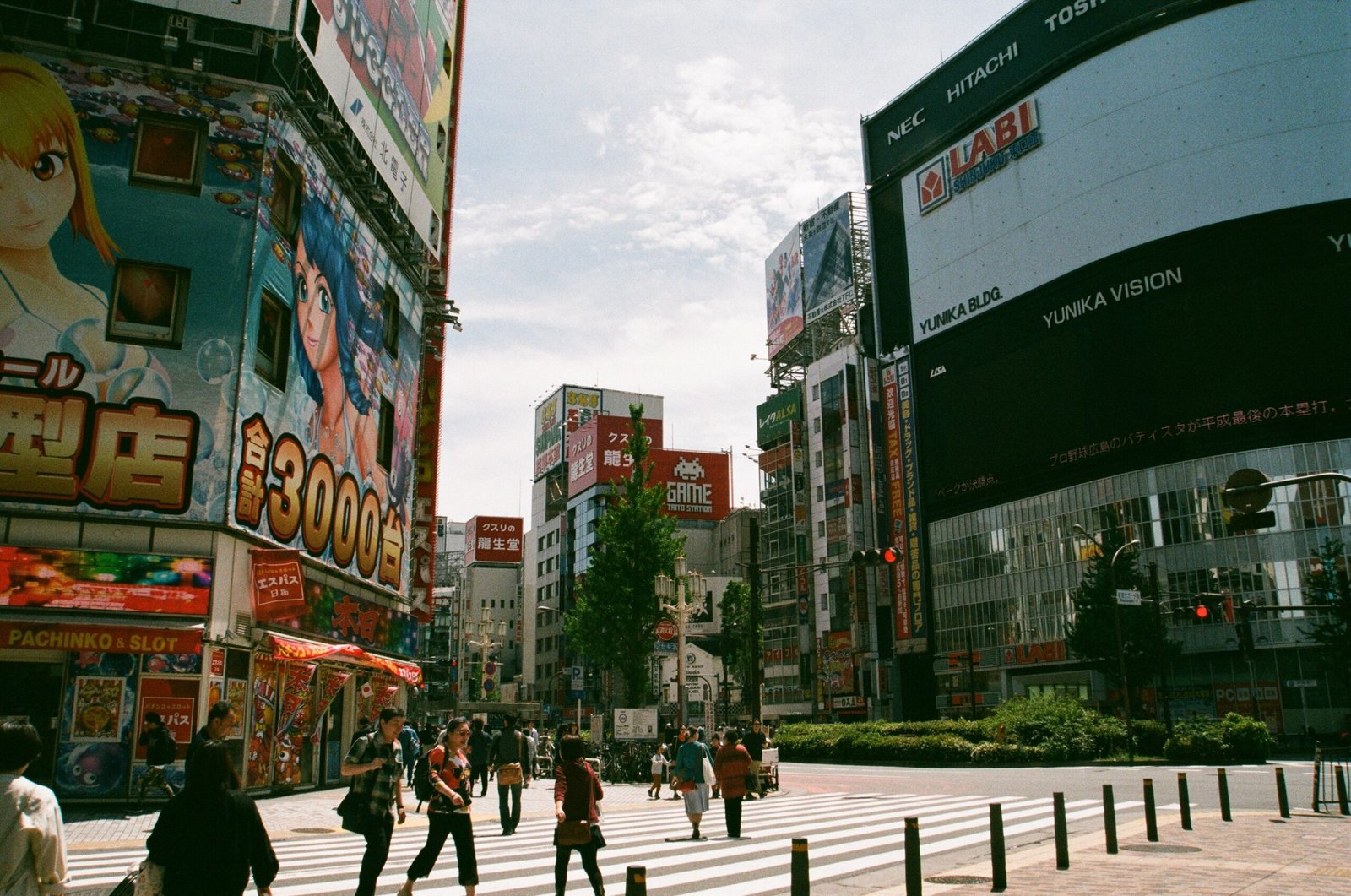

Deciding where to stay in Tokyo can feel overwhelming on a first trip—because the city is really a collection of distinct “mini-cities,” each with its own vibe, rail connections, and after-dark energy. The good news: if you choose a hotel near the right train lines (especially the JR Yamanote Line and major subway hubs), you’ll spend less time commuting and more time eating, shopping, and exploring.
This guide breaks down where to stay in Tokyo for first-time visitors with the best neighborhoods, what they’re like day and night, and a curated set of hotels that make getting around effortless.
A dependable first-time Tokyo choice with full-service amenities and easy access to Shinjuku transport connections.
› BOOK NOWWhere to Stay in Tokyo: Best Areas for First-Timers
If your priority is seeing the most with the least friction, aim for neighborhoods with multiple lines (JR + subway), lots of dining, and walkable streets. These areas are especially first-timer friendly:
- Shinjuku (best all-around base): Major transit hub, endless food, easy day trips, great mix of hotels. Ideal if you want convenience and don’t mind crowds.
- Shibuya (trend-forward and energetic): Shopping, nightlife, and straightforward access to Harajuku/Omotesando. Great if you want a younger vibe and late nights.
- Ginza / Tokyo Station (polished and central): Upscale shopping and restaurants; excellent for business-class comfort, airport access, and Shinkansen connections.
- Asakusa (traditional Tokyo feel): Near Senso-ji, riverside walks, and calmer evenings. Often better value for space—great if you want atmosphere and quieter nights.
- Roppongi (museums and international dining): Good for travelers who want nightlife plus art (Mori Art Museum area). Expect higher prices.
Compare hotels on TravelStayMaps to find the best rates.
A refined high-rise in Shibuya that balances location and comfort—ideal for first-timers who want energy without chaos.
› BOOK NOWWhere to Stay in Tokyo: Top Hotel Picks
These hotels are chosen for first-time ease: strong transit access, dependable comfort, and neighborhoods that make Tokyo feel navigable from day one. (Room sizes in Tokyo can be compact—pay attention to square meters if space matters.)
Park Hyatt Tokyo (Shinjuku)
A bucket-list luxury stay with skyline views and a serene, residential edge of Shinjuku. It’s a great “retreat” feel after busy sightseeing days—while still being close to one of Tokyo’s most connected areas.
- Best for: Splurge trips, anniversary stays, travelers who want a calm base near the action
- Why first-timers like it: High-touch service and a quiet atmosphere that balances Tokyo’s intensity
Hilton Tokyo (Shinjuku)
Reliable full-service comfort in West Shinjuku, with easy access to trains and an easy-to-navigate business-district layout. This is a safe, familiar choice if you want international standards and lots of on-site facilities.
- Best for: First visits where convenience and predictability matter most
- Neighborhood note: West Shinjuku is efficient and close to transit; nightlife is a short walk/train away
Cerulean Tower Tokyu Hotel (Shibuya)
A polished, high-rise hotel that puts you close to Shibuya’s shopping and dining, but with enough elevation and soundproofing to feel restful. It’s a smart “upgrade” pick in a high-energy neighborhood.
- Best for: Shibuya lovers who still want sleep quality
- Transit win: Fast connections across the city and easy access to Harajuku/Omotesando
Mitsui Garden Hotel Ginza Premier (Ginza / Shimbashi)
If you want a sleek, mid-range hotel with a premium feel, this is a strong contender. Ginza is central and walkable, and the location near Shimbashi makes it practical for multiple lines and airport access.
- Best for: Travelers who want a refined base without ultra-luxury pricing
- What you’ll love: A “grown-up Tokyo” vibe and excellent dining nearby
The Gate Hotel Asakusa Kaminarimon by HULIC (Asakusa)
One of the most first-timer-friendly ways to experience the old-meets-new side of Tokyo. You’re steps from the iconic Asakusa sights, with a calmer nighttime atmosphere than Shinjuku or Shibuya.
- Best for: Culture-focused itineraries, relaxed evenings, great photo walks
- Good to know: Getting to some modern nightlife zones takes longer, but it’s straightforward by subway
The Prince Park Tower Tokyo (Shiba Park / near Tokyo Tower)
A classic, comfortable high-rise with sweeping views and a quieter, greener setting near Shiba Park. It’s a strong pick if you want a central base that feels less hectic than the major entertainment hubs.
- Best for: First-timers who want calm + connectivity
- Vibe: More “Tokyo tower postcard” than neon-canyon chaos
Hotel Gracery Shinjuku (Shinjuku / Kabukicho)
Fun, practical, and iconic for its Godzilla-themed flair—this is a great value-forward option right in the action. If you want to step outside into neon-lit Tokyo, this nails it.
- Best for: Travelers who want to stay in the thick of Shinjuku
- Heads-up: The surrounding area is lively late; light sleepers may prefer West Shinjuku instead
Compare hotels on TravelStayMaps to find the best rates.
A sleek, well-located Ginza option that’s ideal for first-time visitors who want a polished, central Tokyo base.
› BOOK NOWHow to Choose the Right Area (Quick Decision Guide)
Use this quick filter to decide where to stay in Tokyo based on your trip style:
- If you want the easiest transit hub: Choose Shinjuku. You’ll have nonstop dining options and multiple rail lines for day trips.
- If shopping and youth culture are your priority: Pick Shibuya. You’ll be close to fashion, nightlife, and quick hops to Harajuku.
- If you want a polished, central base: Go with Ginza / Tokyo Station for upscale comfort and simple airport/Shinkansen logistics.
- If you want “old Tokyo” vibes and calmer nights: Stay in Asakusa for temple mornings and riverside walks.
- If you’re here for museums + international dining: Consider Roppongi, especially for evenings out.
First-timer rule of thumb: prioritize a station you can navigate. Bigger is not always better—some mega-stations are complex. A hotel within a short, well-lit walk of the station entrance matters more than being “central on a map.”
A first-timer favorite for traditional Tokyo ambiance, steps from iconic sights and a relaxed nighttime scene.
› BOOK NOWGetting Around Tokyo from Your Hotel
Tokyo’s rail system is incredibly efficient, but it’s layered: JR lines, multiple subway companies, and private railways. Your hotel location can make the experience feel either seamless or surprisingly tiring.
- Look for JR Yamanote access (or one easy connection). The Yamanote loop links major hubs like Shinjuku, Shibuya, Tokyo Station, and Ueno.
- Airport access: Many first-time visitors appreciate staying near lines that connect cleanly to airport trains/buses—especially if you arrive late or leave early.
- Late nights: Trains stop around midnight. If you plan to stay out, being close to your nightlife neighborhood can save you from expensive taxis.
Compare hotels on TravelStayMaps to find the best rates.
A calm, comfortable luxury base near Tokyo Tower—great for first-time visitors who want central access without constant crowds.
› BOOK NOWTokyo Hotel Tips for First-Time Visitors
Tokyo can be pricey, but smart choices stretch your budget without sacrificing comfort:
- Expect smaller rooms: Tokyo hotel rooms are often compact. If you have large luggage, consider booking a slightly higher room category.
- Prioritize station distance: A “10-minute walk” can feel longer with crowds, heat, or rain. In Tokyo, closer is usually worth it.
- Weekends vs. weekdays: Prices can swing based on domestic travel patterns and events. Flex dates if you can.
- Breakfast strategy: You don’t always need hotel breakfast—Tokyo has excellent cafés, bakeries, and convenience stores. But if you value a relaxed start, breakfast-included rates can be worth it.
- Choose your ‘quiet’: If you’re sensitive to noise, avoid the most nightlife-heavy streets (or book higher floors and request a quiet room).
A fun, practical Shinjuku stay right in the action—excellent for first-time visitors who want convenience and nightlife at their doorstep.
› BOOK NOWFAQs
Where should first-time visitors stay in Tokyo?
For most first-time travelers, Shinjuku is the easiest answer because it’s a major transit hub with endless dining and straightforward connections. If you prefer a trendier vibe, Shibuya is also a strong base.
How many nights is enough in Tokyo for a first trip?
Five nights is a comfortable minimum to cover highlights at a reasonable pace. A full week is ideal if you also want day trips and neighborhood wandering without rushing.
Is it better to stay near Tokyo Station or Shinjuku?
Tokyo Station is excellent for Shinkansen travel and a polished, central feel. Shinjuku is better for nightlife variety and all-around city coverage. If it’s your first trip and you’re doing lots of exploring, Shinjuku often feels more convenient.
Is Asakusa too far from the main sights?
No—Asakusa is well connected by subway and is a great choice if you want a traditional atmosphere and calmer evenings. It can take longer to reach some west-side hotspots, but it’s still very manageable.
What’s the best area to stay in Tokyo for nightlife?
Shinjuku and Shibuya are the most convenient nightlife bases. Roppongi is also popular for late nights and international bars, though it tends to be pricier for hotels.
Should I switch hotels during my Tokyo stay?
Most first-time visitors do best with one hotel to avoid repacking and navigating with luggage. Consider switching only if you’re combining Tokyo with regional travel (e.g., Shinkansen trips) and want to optimize logistics.
Recommended Hotels
📍 Shinjuku
A top-tier Shinjuku luxury hotel that feels like a quiet retreat while keeping you close to Tokyo’s most connected hub.
👍 Pros
- + High-end service and calm atmosphere
- + Excellent skyline views
- + Great base near a major transit area
👎 Cons
- – Premium pricing
- – Not directly inside the busiest Shinjuku blocks (a plus for some, less ideal for others)
📍 Shinjuku
A dependable first-time Tokyo choice with full-service amenities and easy access to Shinjuku transport connections.
👍 Pros
- + Reliable international-standard comfort
- + Convenient Shinjuku location
- + Good on-site facilities
👎 Cons
- – Business-district feel in parts of West Shinjuku
- – Rooms can feel compact compared to similar hotels elsewhere
📍 Shibuya
A refined high-rise in Shibuya that balances location and comfort—ideal for first-timers who want energy without chaos.
👍 Pros
- + Excellent Shibuya base with a polished feel
- + Good sound insulation for a busy area
- + Great for shopping-focused itineraries
👎 Cons
- – Higher price point in peak seasons
- – Shibuya crowds can be intense at street level
📍 Ginza / Shimbashi
A sleek, well-located Ginza option that’s ideal for first-time visitors who want a polished, central Tokyo base.
👍 Pros
- + Upscale feel for the price
- + Central base with multiple lines nearby
- + Great dining and shopping in walking distance
👎 Cons
- – Not a nightlife-heavy neighborhood
- – Room sizes can be modest
📍 Asakusa
A first-timer favorite for traditional Tokyo ambiance, steps from iconic sights and a relaxed nighttime scene.
👍 Pros
- + Excellent location for Asakusa sightseeing
- + Calmer evenings than west-side hubs
- + Great value for the neighborhood
👎 Cons
- – Longer rides to Shibuya/Shinjuku
- – Limited on-site resort-style facilities
📍 Shiba Park / Tokyo Tower
A calm, comfortable luxury base near Tokyo Tower—great for first-time visitors who want central access without constant crowds.
👍 Pros
- + Quieter, greener setting near central Tokyo
- + Iconic views in select rooms
- + Good balance of calm and access
👎 Cons
- – Not as plug-and-play as Shinjuku for late-night variety
- – Premium pricing for view rooms
📍 Shinjuku / Kabukicho
A fun, practical Shinjuku stay right in the action—excellent for first-time visitors who want convenience and nightlife at their doorstep.
👍 Pros
- + Unbeatable “Tokyo neon” location
- + Great value in a prime area
- + Perfect for nightlife and late dinners
👎 Cons
- – Busy, lively streets late into the night
- – Rooms can be compact
Frequently Asked Questions
Where to stay in Tokyo for first-time visitors?
Shinjuku is the most convenient all-around base for first-time visitors thanks to major train connections, tons of dining, and easy access across the city. Shibuya is a close second if you prefer a trendier, nightlife-forward vibe.
Is Shinjuku or Shibuya better for a first trip?
Choose Shinjuku for maximum transit flexibility and variety. Choose Shibuya if your priorities are shopping, youth culture, and staying near Harajuku/Omotesando. Both work well; it comes down to your preferred atmosphere.
What is the most central area to stay in Tokyo?
Ginza and the Tokyo Station area feel the most “central” for transport logistics, especially if you’re using the Shinkansen or want quick access to business districts and upscale shopping.
Is Asakusa a good place to stay in Tokyo?
Yes—Asakusa is excellent for travelers who want a traditional Tokyo feel and calmer evenings. It’s well connected by subway, though you’ll spend a bit more time getting to west-side neighborhoods like Shibuya.
Are Tokyo hotel rooms really small?
Often, yes—especially in mid-range and business-style hotels. If you’re traveling with large suitcases or want more comfort, consider booking a higher category room or choosing a full-service hotel that typically offers more space.
How far should my hotel be from a train station in Tokyo?
For a first trip, aim for a hotel within a short, easy walk—ideally around 5–8 minutes—so you’re not navigating long distances with crowds, luggage, or bad weather.
