
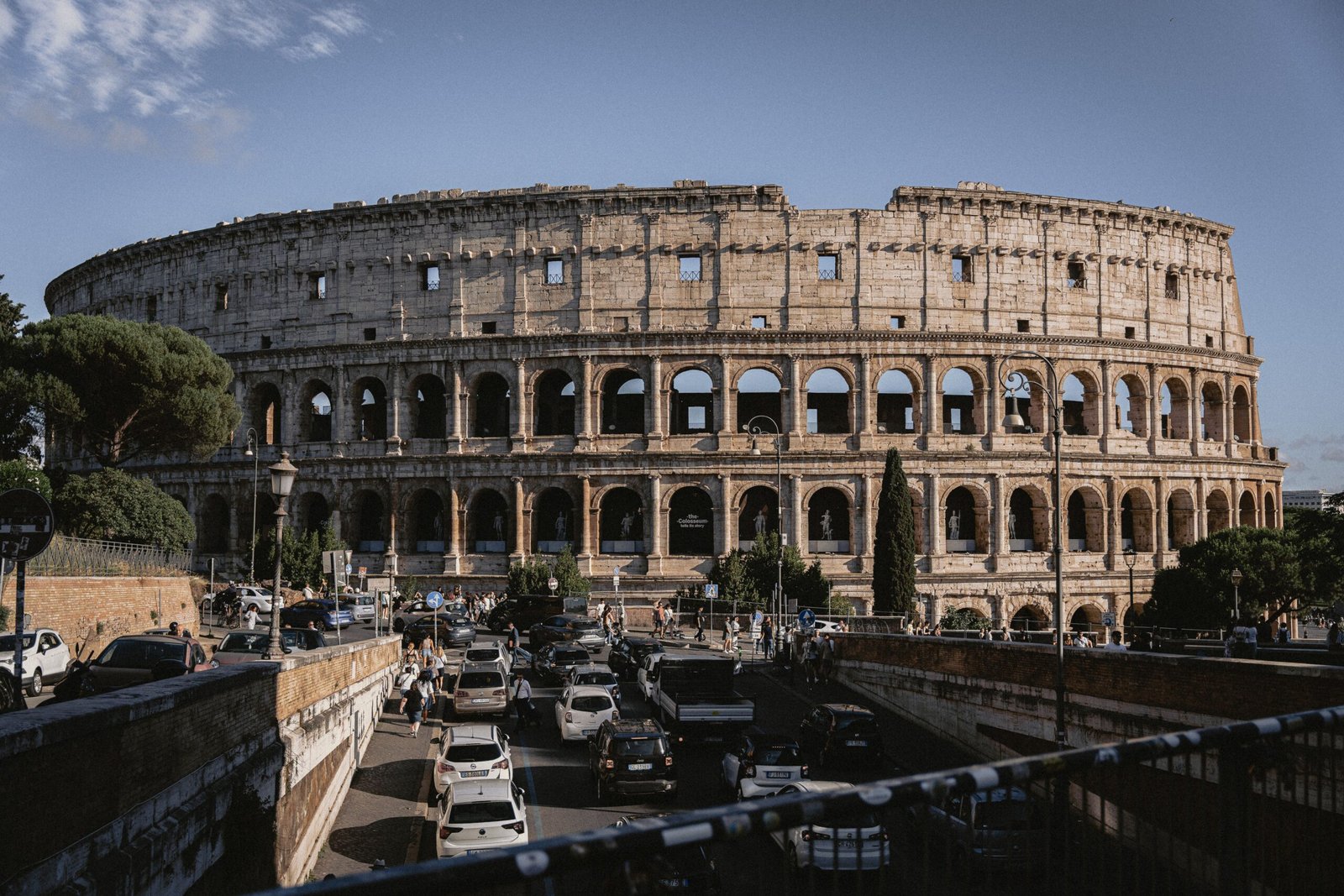

Choosing the best hotels in Rome is less about finding a single “perfect” property and more about picking the right neighborhood for how you travel—ancient sights vs. nightlife, quiet lanes vs. big boulevards, walk-everywhere convenience vs. easy train connections. Rome is surprisingly spread out, and a few blocks can change the vibe: one street feels like a movie set; the next is all commuter traffic and late-night scooters.
In this guide to the best hotels in Rome, you’ll get a neighborhood-first plan (so you don’t waste time in transit), hotel recommendations for different budgets and trip styles, and practical tips on getting around—especially from Fiumicino (FCO) and Ciampino (CIA). If you’re planning onward travel in Italy, staying near Termini can be a smart move for early trains, but for classic first-timer sightseeing, you’ll likely be happiest in the Historic Center or near the Spanish Steps.
Compare hotels across these neighborhoods on TravelStayMaps to find the best rates and availability.
A legendary address at the top of the Spanish Steps with timeless elegance and attentive hospitality. Ideal if you want the most prestigious base for shopping, strolling, and a romantic, old-world Rome vibe.
› BOOK NOWBest Hotels in Rome: Quick Overview
Rome rewards travelers who stay central and start early. Many headline attractions—Trevi Fountain, Pantheon, Piazza Navona, Campo de’ Fiori—sit within a compact zone, but the city’s hills and cobblestones slow you down. That’s why the best hotels in Rome for most visitors cluster in or just outside the Historic Center, or along the edges where taxis and the Metro are easier.
- First time in Rome: Historic Center (Centro Storico) or near Piazza di Spagna for maximum walkability.
- Food, nightlife, local feel: Trastevere (choose carefully—beautiful, but can be loud late).
- Museums + Vatican: Prati (tidier streets, great dining, easy access to St. Peter’s).
- Train convenience + value: Termini/Esquilino (best for early departures; pick a well-reviewed property).
- Romantic boutique energy: Monti (small streets, wine bars, easy Colosseum access).
For inspiration beyond Italy, you can also browse how we structure neighborhood-first picks in other cities like best hotels in Venice by area, best hotels in Milan for design and convenience, and best hotels in London by neighborhood.
A consistently well-reviewed, full-service hotel that balances comfort and convenience. Great for travelers who want an easy arrival/departure via Termini while still being within walking distance of many major sights.
› BOOK NOWBest Areas + Best Hotels in Rome by Neighborhood
Below are the neighborhoods that consistently deliver the best experience—less time commuting, more time lingering over espresso. For each area, consider your priorities: silence at night, elevator access, proximity to Metro lines, and whether you want to walk home after dinner without relying on taxis.
Centro Storico (Historic Center): Pantheon, Navona, Trevi
If your mental image of Rome includes baroque fountains, golden evening light, and wandering from church to gelato shop, Centro Storico is your match. It’s the most walkable base for a first trip—and often where the best hotels in Rome come with the tradeoff of smaller rooms and higher rates.
- Best for: First-timers, short stays, travelers who want to walk everywhere.
- Watch-outs: Street noise, limited taxi access on narrow lanes, pricier restaurants in the most touristy pockets.
- Local tip: Early mornings (before 8:00–8:30) around Trevi and the Pantheon are dramatically calmer.
Spanish Steps / Via Veneto: Classic, polished, upscale
This area is elegant and convenient, with easy strolling to Piazza di Spagna, Villa Borghese gardens, and upscale shopping streets. Many luxury flagships sit here, making it one of the most reliable zones for consistently high service.
- Best for: Luxury travelers, couples, shoppers, those who value concierge help.
- Watch-outs: Higher prices, and some streets feel more “grand hotel district” than neighborhood.
Monti: Boutique charm near the Colosseum
Monti is one of Rome’s most lovable neighborhoods—small streets, artisan boutiques, and a lively but not chaotic evening scene. You’re close to the Colosseum and the Roman Forum, and still within reach of the Historic Center on foot (expect a 20–30 minute walk depending on your exact location).
- Best for: Foodies, repeat visitors, boutique-hotel fans.
- Watch-outs: Hilly streets; some buildings are historic and have smaller elevators.
Compare hotels across these neighborhoods on TravelStayMaps to find the best rates and availability.
Prati: Vatican access with cleaner lines and great dining
Across the river from the Historic Center, Prati feels more residential—wider sidewalks, late-19th-century architecture, and a strong dining scene that’s less geared to tourist foot traffic. If the Vatican Museums and St. Peter’s Basilica are top priorities, Prati is one of the smartest bases.
- Best for: Vatican-focused trips, families, travelers who like calmer evenings.
- Watch-outs: You’ll cross the river for many headline sights; plan for longer walks or short taxi rides.
- Transit note: Metro Line A (Ottaviano/Lepanto) is useful, but Rome’s Metro isn’t as comprehensive as in cities like London.
Trastevere: Atmospheric nights, lively energy
Trastevere is famous for ivy-draped lanes and a buzzing nightlife. It’s ideal if you want aperitivo culture and late dinners, but choose a hotel with good soundproofing—or stay on the edge closer to the river for slightly quieter nights.
- Best for: Nightlife, restaurant-hopping, a “Rome after dark” vibe.
- Watch-outs: Noise, limited car access, and luggage can be a pain on cobblestones.
- Local tip: If you’re a light sleeper, request a courtyard-facing room.
Termini / Esquilino: Value and rail connections
Rome Termini is the city’s main transport hub for airport trains, intercity rail, and two Metro lines. It’s not the most romantic setting, but it’s often where you’ll find better value—especially for larger rooms. The key is selecting a well-reviewed property on a safer-feeling street, and being mindful late at night around the station perimeter.
- Best for: Early trains, budget travelers, short overnight stays.
- Watch-outs: Some blocks feel gritty; hotel quality varies widely.
- Transit note: Great for day trips (Florence, Naples) and airport access.
A charming boutique stay near Rome’s ancient core, perfect for travelers who want to start their days early at the Forum and Colosseum. Expect a friendly, intimate atmosphere rather than big-hotel amenities.
› BOOK NOWHotel Picks: Best Hotels in Rome (Top Recommendations)
These picks balance location, comfort, and overall guest experience. To keep your trip efficient, choose a hotel that minimizes transfers: in Rome, “central” often matters more than a longer list of amenities.
Luxury icons for a once-in-a-lifetime stay
- Hotel de Russie (Spanish Steps / Piazza del Popolo): A true classic with a serene garden—rare in central Rome—plus polished service that makes logistics (transfers, restaurant bookings, museum timing) feel effortless.
- Hassler Roma (Spanish Steps): An address that feels like old Rome in the best way—ideal for anniversaries and high-end shopping trips, with the Spanish Steps at your doorstep.
Boutique favorites with strong location value
- Hotel Artemide (Repubblica/Termini edge): A reliable, comfort-forward pick when you want easy transit and a full-service feel without jumping to ultra-luxury prices.
- Nerva Boutique Hotel (Monti/Colosseum area): Warm, intimate, and extremely well placed for early starts at the Forum and Colosseum.
Stylish, practical bases for sightseeing
- The Hoxton, Rome (Parioli/Salario): Great design and a modern vibe; best if you’re okay with short taxi rides to the Historic Center in exchange for a calmer neighborhood feel.
- Hotel Santa Maria (Trastevere): Garden courtyard calm in a lively district—perfect if you want Trastevere atmosphere but also want a restful place to reset.
Smart Vatican/Prati option
- Hotel dei Mellini (Prati): Comfortable, professional, and well-located for the Vatican plus riverside walks into the center.
A courtyard-focused hotel that offers a calm retreat while keeping you in the heart of Trastevere’s restaurant scene. Best for travelers who want Rome’s nighttime charm without sacrificing a restful base.
› BOOK NOWBudget Tips for Booking the Best Hotels in Rome
Rome can be expensive in peak season, but there are predictable ways to bring costs down while still booking best hotels in Rome-level stays (or at least best-in-class for your budget).
- Travel shoulder season: Late March–April and October–early November often bring better prices and more pleasant sightseeing weather than July/August.
- Book refundable, then re-check: Rates fluctuate. If you can, reserve a refundable deal and re-shop 2–4 weeks out.
- Prioritize location over room size: A slightly smaller room in Centro Storico can save you daily taxi costs and commuting time.
- Breakfast math: Many Rome hotels charge a premium for breakfast. If you’re happy with cappuccino + pastry at a bar, choose room-only and eat like locals.
- Check the city tax: Rome’s accommodation tax is charged per person per night (amount varies by official star rating). It’s often paid at check-out and not always included in the headline rate.
- Consider Monti or Prati for value: Both can be cheaper than the tight Historic Center while still being highly convenient.
A dependable Prati base with a calm neighborhood feel and easy Vatican access. Ideal if you want tidy streets, good dining nearby, and a less hectic atmosphere than the Historic Center.
› BOOK NOWTransportation Tips: Airports, Metro, Walking
Rome is a walking city—until it isn’t. Cobblestones, heat, and distances add up, so plan your transport strategy early to get the most from the best hotels in Rome neighborhoods.
From Fiumicino (FCO) to the city
- Leonardo Express train: Nonstop to Termini; usually the fastest, most predictable option.
- Taxi: Fixed-rate taxis operate between FCO and central Rome (inside the Aurelian Walls). Confirm the fixed fare applies to your destination before you depart.
- Private transfer: Worth it for families, late arrivals, or lots of luggage—especially if your hotel is on a lane where cars can’t stop directly.
From Ciampino (CIA) to the city
- Bus + Metro/train combos: Often the cheapest, but can be slower and less comfortable with luggage.
- Taxi/private transfer: Convenient if you land late or want a direct ride to Centro Storico.
Metro, buses, trams, and taxis
- Metro: Limited coverage but useful—Line A for Vatican/Spanish Steps area (via Spagna), Line B for Colosseum area (via Colosseo).
- Buses/trams: Extensive network, but traffic can be heavy. Consider them for scenic rides or when you have time.
- Taxis: Use official white taxis. If you’re in a pedestrian zone, walk to a larger street or taxi stand.
Walking realities (and how to plan for them)
- Build in buffers: A “15-minute walk” on a map can feel longer with crowds and uneven paving.
- Pack the right shoes: Supportive walking shoes matter more in Rome than almost anywhere.
- Start early: Beat crowds and heat; many iconic spots are most magical before tour groups arrive.
A design-forward stay with a contemporary feel, best for travelers who prefer a quieter, more local base and don’t mind short rides into the Historic Center. A strong pick for repeat visitors or work-leisure trips.
› BOOK NOWPractical Booking Tips (Seasons, Room Types, Fees)
Small details can make or break a stay in Rome. Keep these in mind while shopping the best hotels in Rome:
- Ask about elevators: Many buildings are historic; elevators may be tiny or absent. If mobility matters, confirm before booking.
- Room types vary widely: “Classic” rooms can be compact. If you want space for luggage, consider a “Superior” category.
- Soundproofing is gold: Street life runs late in many areas. Prioritize double glazing or request interior-facing rooms.
- AC in summer: Rome summers are hot. Confirm air-conditioning is available and functioning (especially in older boutique properties).
- Late check-in logistics: If arriving late, ensure 24-hour reception or clear self-check-in instructions.
Final Thoughts: Choosing the Best Hotels in Rome
The best hotels in Rome are the ones that match your daily rhythm. If you want to wake up and immediately be in the postcard scenery, pay the premium for Centro Storico or Spanish Steps. If you want calmer nights and easy Vatican access, Prati is a smart, low-stress base. If you’re chasing atmosphere and dinners that run late, Trastevere is unbeatable—just book thoughtfully to avoid noise.
Compare hotels across these neighborhoods on TravelStayMaps to find the best rates and availability.
However you plan it, Rome rewards an efficient home base: fewer transfers, more spontaneous stops for espresso, and more time for the moments that don’t fit on an itinerary—golden-hour walks, quiet piazzas, and that final gelato on the way “home.”
Recommended Hotels
📍 Piazza del Popolo / Spanish Steps (Centro)
One of Rome’s most iconic luxury hotels, prized for its serene garden courtyard and polished, detail-oriented service. A top choice for couples and first-timers who want a central base with a true “escape” feel once you step inside.
👍 Pros
- + Rare peaceful garden in the city center
- + Impeccable service and concierge help
- + Excellent walkability to Centro Storico and Spanish Steps
👎 Cons
- – High nightly rates in peak season
- – Some rooms can feel smaller than expected for the price
📍 Spanish Steps / Piazza di Spagna
A legendary address at the top of the Spanish Steps with timeless elegance and attentive hospitality. Ideal if you want the most prestigious base for shopping, strolling, and a romantic, old-world Rome vibe.
👍 Pros
- + Unbeatable Spanish Steps location
- + Classic Roman luxury and strong service
- + Great for special-occasion stays
👎 Cons
- – Premium pricing year-round
- – Busy area can feel crowded outside the hotel
📍 Repubblica / Termini edge
A consistently well-reviewed, full-service hotel that balances comfort and convenience. Great for travelers who want an easy arrival/departure via Termini while still being within walking distance of many major sights.
👍 Pros
- + Excellent comfort-to-price ratio for central Rome
- + Easy access to Termini and Metro connections
- + Reliable service and strong in-house dining
👎 Cons
- – Not as atmospheric as staying deep in Centro Storico
- – Some street-facing rooms can be noisy
📍 Monti / Colosseum
A charming boutique stay near Rome’s ancient core, perfect for travelers who want to start their days early at the Forum and Colosseum. Expect a friendly, intimate atmosphere rather than big-hotel amenities.
👍 Pros
- + Fantastic location for Colosseum and Forum visits
- + Warm boutique feel with personalized service
- + Great base for early-morning sightseeing
👎 Cons
- – Smaller property with limited on-site facilities
- – Room categories can be compact
📍 Trastevere
A courtyard-focused hotel that offers a calm retreat while keeping you in the heart of Trastevere’s restaurant scene. Best for travelers who want Rome’s nighttime charm without sacrificing a restful base.
👍 Pros
- + Peaceful courtyard setting in lively Trastevere
- + Great dining and nightlife right outside
- + Good choice for couples who want atmosphere
👎 Cons
- – Some rooms may pick up ambient evening noise
- – Car access can be limited on surrounding lanes
📍 Prati (near Vatican)
A dependable Prati base with a calm neighborhood feel and easy Vatican access. Ideal if you want tidy streets, good dining nearby, and a less hectic atmosphere than the Historic Center.
👍 Pros
- + Quiet, polished Prati location
- + Easy access to Vatican and riverside walks
- + Comfortable rooms suitable for longer stays
👎 Cons
- – Not in the immediate Historic Center
- – Some attractions require a river crossing or taxi/Metro
📍 Parioli / Salario
A design-forward stay with a contemporary feel, best for travelers who prefer a quieter, more local base and don’t mind short rides into the Historic Center. A strong pick for repeat visitors or work-leisure trips.
👍 Pros
- + Stylish design and social, modern vibe
- + Calmer neighborhood experience
- + Great for travelers who don’t need to be in the tourist core
👎 Cons
- – Not walkable to many major sights for most travelers
- – You’ll likely rely on taxis/transit more often
Frequently Asked Questions
What is the best area to stay in Rome?
For most first-time visitors, Centro Storico (Historic Center) is the best area to stay in Rome because it’s the most walkable for top sights like the Pantheon, Trevi Fountain, and Piazza Navona. If you want a calmer, more residential feel with easy Vatican access, Prati is an excellent alternative. For nightlife and restaurant-hopping, Trastevere is ideal—just prioritize soundproofing or courtyard-facing rooms.
How many days should I stay in Rome?
Plan 3–5 days to see Rome at a comfortable pace. With 3 days you can cover the “greatest hits” (Colosseum/Forum, Vatican, and the Historic Center). With 4–5 days, you can add slower neighborhood time (Trastevere, Villa Borghese), museums, and a day trip while still enjoying long meals and evening strolls.
Is it better to stay near Termini in Rome?
Staying near Termini is best if you have early trains, late arrivals, or you’re prioritizing budget and convenience. It’s the main hub for airport trains and intercity rail. The tradeoff is that some blocks around the station can feel gritty at night, and the atmosphere isn’t as charming as Centro Storico or Monti. If you choose Termini, pick a well-reviewed hotel and stay on a street that feels comfortable and well-lit.
How do I get from Fiumicino Airport (FCO) to my hotel in Rome?
The Leonardo Express train is the most predictable option to Termini Station, especially during traffic-heavy hours. If your hotel is inside the Aurelian Walls (central Rome), official taxis typically offer a fixed fare—confirm it before departing. For families, lots of luggage, or hotels in pedestrian lanes, a pre-arranged private transfer can be the easiest door-to-door solution.
Are hotels in Rome expensive?
Rome can be pricey, especially in spring and early summer, but you can still find strong value. Prices rise sharply for prime locations in Centro Storico and around the Spanish Steps. Better value often appears in Monti, Prati, or the Termini edge—areas that remain convenient while costing less. Also remember Rome’s per-person, per-night city tax, which is often paid at check-out.
What should I look for when booking a hotel in Rome?
Prioritize location (walkability), air-conditioning in warm months, and elevator access if mobility or luggage is a concern. Soundproofing matters in lively areas like Trastevere and parts of Centro Storico. Finally, double-check whether breakfast and the city tax are included in the price so you can compare rates accurately.
