
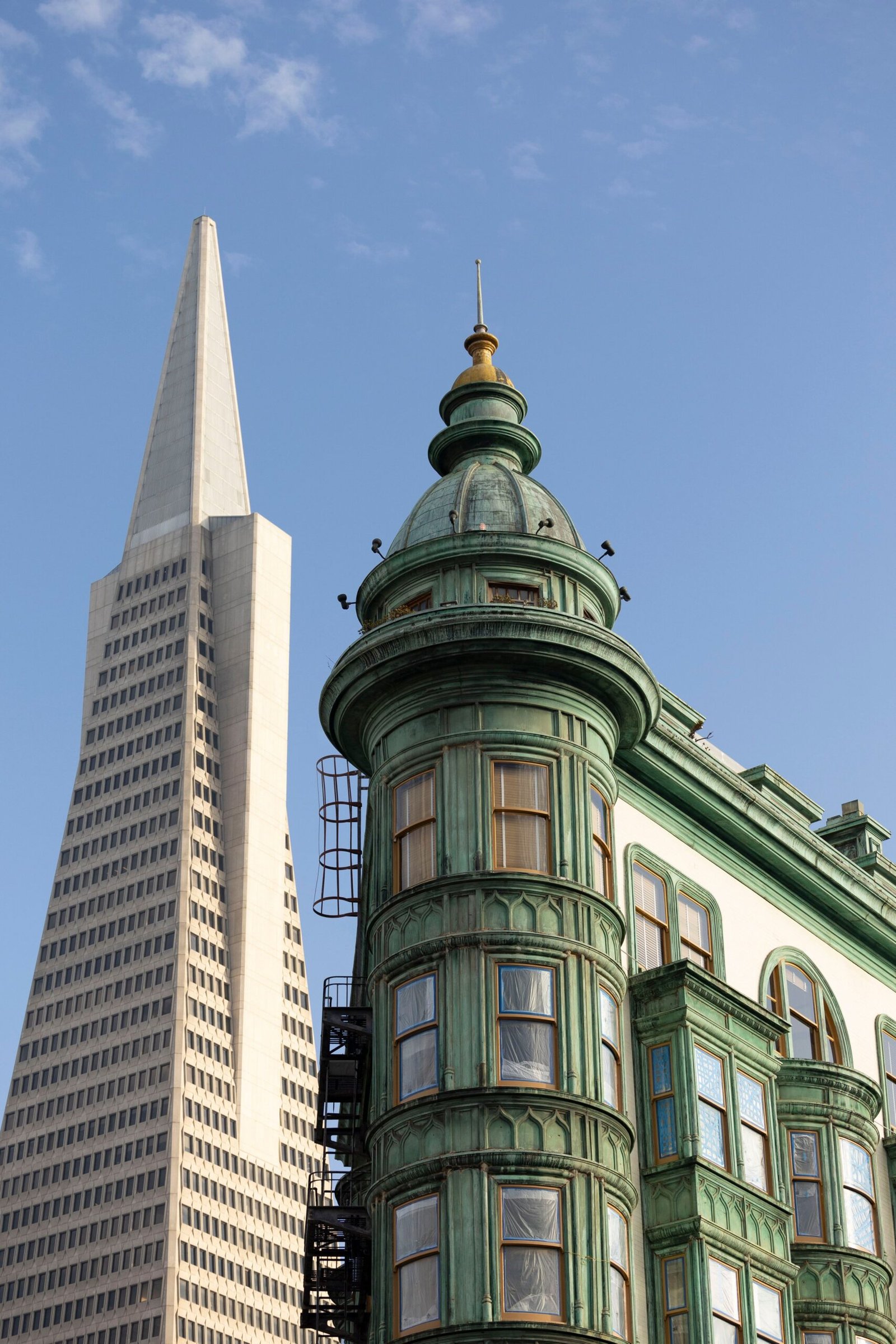

Choosing from the best hotels in San Francisco is easier when you start with the neighborhoods: where you stay affects not just your view, but how quickly you can reach attractions, what you’ll spend on Ubers, and how “San Francisco” your trip feels after dark. From classic Union Square convenience to waterfront stays on the Embarcadero and local, boutique energy in Hayes Valley, this guide breaks down the smartest areas and the hotels that consistently deliver for different budgets and travel styles.
Below you’ll find practical, on-the-ground tips (transit, safety, and budget hacks), plus a short list of proven favorites—properties that are well-located for sightseeing, have reliable service, and make it easy to enjoy the city without overplanning.
Compare hotels across these neighborhoods on TravelStayMaps to find the best rates and availability.
A sleek, sustainability-focused luxury hotel on the Embarcadero with a calm, modern feel. Ideal if you want bay breezes, flat scenic walks, and quick access to ferries and downtown transit.
› BOOK NOWBest Hotels in San Francisco: Quick Overview
San Francisco is compact, but it’s not flat—hills, microclimates, and neighborhood borders matter. For most visitors, the sweet spot is staying near reliable transit (BART/Muni/Streetcar) with walkable dining options. If you’re here for iconic sights (Golden Gate Bridge, Alcatraz ferries, cable cars), you’ll do well in Union Square/SoMa for connectivity or the Embarcadero for waterfront access. For a more local feel with great restaurants, look toward Hayes Valley or Nob Hill.
- Best for first-timers: Union Square & SoMa (easy transit, central)
- Best for views + romance: Nob Hill / Russian Hill (historic charm, skyline vistas)
- Best for families: Fisherman’s Wharf (walkable, attractions clustered)
- Best for business: Financial District / Embarcadero (convention + offices)
- Best boutique scene: Hayes Valley (independent shops, dining)
If you’re also comparing nearby California gateways, you may like our best hotels in Los Angeles for different neighborhoods and best hotels in San Diego near the beach and downtown—both helpful for multi-city itineraries.
A polished, high-rise luxury option known for impressive views and a serene vibe. Great for couples, business travelers, or anyone who values quiet nights and a high-comfort base near the Embarcadero.
› BOOK NOWBest Hotels in San Francisco by Area
When people search for the best hotels in San Francisco, they’re often really asking: “Where should I stay so my days are easy?” Use the area guides below to pick the neighborhood first—then choose a hotel that matches your priorities (space, quiet rooms, gym/pool, views, or easy parking).
A classic Union Square choice that’s all about convenience—ideal for first-time visitors who want to be in the middle of the action. With solid amenities and excellent connectivity, it’s a reliable base for sightseeing-heavy itineraries.
› BOOK NOWUnion Square & SoMa (Best for first-timers)
Union Square is the classic “central base” for San Francisco: shopping, theaters, and quick access to the city’s transit backbone. SoMa (South of Market) stretches south and west with museums, nightlife, and big-city energy. This is your best bet if you want to be able to walk to multiple Muni lines, hop on BART for the airport, or reach the Embarcadero quickly.
What it’s best for: first visits, short stays, transit convenience, museum days (SFMOMA), and easy airport connections.
Watch-outs: Some blocks can feel gritty at night, especially as you move west/south toward the Tenderloin. If you’re sensitive to street noise, ask for a higher floor and an interior-facing room.
- Top pick here: Hotel Zelos (stylish, walkable, great for couples and solo travelers)
- Also consider: The Westin St. Francis (iconic, unbeatable location)
Compare hotels across these neighborhoods on TravelStayMaps to find the best rates and availability.
A smart, design-led boutique hotel that works especially well for couples and solo travelers who want SoMa/Union Square access without a mega-hotel vibe. A great option when you want style, walkability, and practicality in one.
› BOOK NOWFisherman’s Wharf & Marina (Best for waterfront sightseeing)
If your plan includes Alcatraz, sea lions at Pier 39, and easy access to waterfront promenades, Fisherman’s Wharf keeps things simple. The Marina, just west, feels more residential—think cafes, flat streets, and quick routes to Crissy Field and Golden Gate views. This area is especially popular with families because you can stack activities without long transit rides.
What it’s best for: families, first-timers who want a “tourist-easy” base, waterfront walks, and Golden Gate photo ops.
Watch-outs: Transit is decent but not as fast as BART-accessible areas. Parking can be expensive. Evening dining can skew touristy right on the Wharf—walk a few blocks or head toward North Beach for better local options.
- Top pick here: Argonaut Hotel (waterfront character + great access)
A character-rich waterfront stay in Fisherman’s Wharf that’s perfect for easy sightseeing. Especially convenient for families and first-timers who want to walk to piers, ferries, and classic San Francisco photo spots.
› BOOK NOWNob Hill & Russian Hill (Classic SF charm)
Nob Hill is old-school San Francisco: historic hotels, dramatic hilltop views, and easy cable car access. Russian Hill (near Lombard Street) leans quieter and more residential while staying close to North Beach and the waterfront. If you want a romantic vibe or a “classic SF” stay that feels special, this is a strong choice.
What it’s best for: couples, scenery, a quieter feel at night, and walking to North Beach/Chinatown.
Watch-outs: Hills are real—pack comfortable shoes and be realistic about walking distances. If mobility is a concern, prioritize properties near cable car lines or plan on rideshares for steep segments.
- Top pick here: Fairmont San Francisco (historic luxury with views)
- Modern luxury alternative: Four Seasons Hotel San Francisco at Embarcadero (skyline views, serene vibe)
A relaxed, design-forward hotel near Japantown that’s a great fit if you want excellent food nearby and a neighborhood feel. It’s a strong alternative for travelers who prefer boutiques and cafes over the busiest downtown blocks.
› BOOK NOWEmbarcadero & Financial District (Water views + transit)
The Embarcadero is where San Francisco “opens up”: bay breezes, long flat walks, and ferries across the water. The Financial District is quieter after business hours (in a good way if you like calm nights), and it connects well to Muni, BART (via nearby stations), and ferries. It’s an underrated base for visitors who want easy logistics without the bustle of Union Square.
What it’s best for: business trips, waterfront running/walking, ferry day trips (Sausalito, Oakland/Alameda), and quick access to North Beach and the Ferry Building.
Watch-outs: Some dining options can be limited late-night in parts of the Financial District. If food is your main priority, look for hotels closer to the Ferry Building or the edge of North Beach.
- Top pick here: 1 Hotel San Francisco (sustainable luxury, great location)
Hayes Valley & Civic Center (Boutique vibes + food)
Hayes Valley is one of the city’s most enjoyable “local” neighborhoods to stay in: independent boutiques, excellent coffee, and a dining scene that punches above its size. It’s also convenient for performances at the SF Symphony, Opera, and ballet around Civic Center. If you like a neighborhood that feels lived-in and creative, this is a smart alternative to the downtown core.
What it’s best for: foodies, boutique-lovers, arts/performance nights, and travelers who want to avoid the most tourist-heavy zones.
Watch-outs: The Civic Center area can feel block-by-block, especially later at night. Choose a property with strong guest reviews on security and consider using rideshare after evening shows.
- Top pick here: Hotel Kabuki (Japantown edge, calm + stylish)
Budget Tips + Transportation Advice
How to get around without overspending
- Use Muni + BART strategically: BART is excellent for airport trips and crossing the Bay; Muni (buses, light rail, streetcars) fills in city neighborhoods. Staying near a BART station (Union Square/SoMa-adjacent) can save serious money versus rideshares.
- Buy the right pass: If you’ll ride often in a short period, compare Muni day passes vs. pay-as-you-go. Cable cars cost extra; plan them as a “ride experience,” not daily commuting.
- Walk the flats: The Embarcadero, Marina, and parts of SoMa are flatter. You’ll burn fewer rideshares by picking a base where your most-visited spots are walkable.
- Consider ferries: The Ferry Building is a beautiful hub, and ferry rides can double as sightseeing (especially at sunset). If you’re staying near the Embarcadero, this is an easy win.
Parking and car rental reality check
- Skip a car in the city if you can: Parking is expensive, and break-ins are a known issue. Many of the best hotels in San Francisco charge premium nightly valet fees.
- If you must drive: Choose a hotel with secured parking and never leave anything visible in the car—no bags, no jackets, no chargers. Consider picking up a rental only for a day trip (Napa, Muir Woods) rather than the full stay.
Weather microclimates: pack for two cities
- Bring layers year-round: Even summer evenings can be chilly, especially near the water (Embarcadero/Wharf/Marina).
- Sun vs. fog: Neighborhoods can differ dramatically on the same day—don’t assume your hotel’s weather reflects the whole city.
Booking Tips for San Francisco Hotels
- Prioritize location over extra square footage: A slightly smaller room in a transit-friendly area often beats a larger room that forces daily rideshares.
- Ask about destination fees: Some properties bundle amenities (gym, Wi-Fi credits, bike rentals). Calculate the true nightly cost before booking.
- Request quiet rooms: In downtown areas, ask for higher floors and away from elevators. In historic hotels, soundproofing varies.
- Time your stay: Weekdays can spike with conferences; weekends can be better-value downtown but pricier near the Wharf.
For more West Coast planning, you can also compare with our best hotels in Seattle by neighborhood if you’re building a Pacific Coast itinerary.
Compare hotels across these neighborhoods on TravelStayMaps to find the best rates and availability.
FAQs
Here are the most common questions travelers ask when choosing among the best hotels in San Francisco, with straightforward, practical answers.
- Tip: If your priority is easy sightseeing with minimal transit friction, start with Union Square/SoMa or the Embarcadero.
Compare hotels across these neighborhoods on TravelStayMaps to find the best rates and availability.
Recommended Hotels
📍 Nob Hill
A landmark Nob Hill address that delivers classic San Francisco glamour—think grand public spaces, polished service, and hilltop views. Best for travelers who want a timeless luxury stay with easy access to cable cars and North Beach.
👍 Pros
- + Iconic Nob Hill location with classic SF atmosphere
- + Excellent views from higher floors and suites
- + Great access to cable cars and nearby neighborhoods
👎 Cons
- – Premium pricing and add-on fees can apply
- – Historic building means some room layouts vary
📍 Embarcadero
A sleek, sustainability-focused luxury hotel on the Embarcadero with a calm, modern feel. Ideal if you want bay breezes, flat scenic walks, and quick access to ferries and downtown transit.
👍 Pros
- + Prime waterfront setting near the Ferry Building
- + Design-forward, eco-minded luxury feel
- + Great for walking/running along the Embarcadero
👎 Cons
- – Rates can be high in peak periods
- – Some rooms prioritize design over storage space
📍 Financial District / Embarcadero
A polished, high-rise luxury option known for impressive views and a serene vibe. Great for couples, business travelers, or anyone who values quiet nights and a high-comfort base near the Embarcadero.
👍 Pros
- + Stunning high-floor skyline and bay views
- + Quiet, refined atmosphere away from heavier tourist zones
- + Strong service for special-occasion trips
👎 Cons
- – Less nightlife immediately outside the hotel
- – Parking can be expensive
📍 Union Square
A classic Union Square choice that’s all about convenience—ideal for first-time visitors who want to be in the middle of the action. With solid amenities and excellent connectivity, it’s a reliable base for sightseeing-heavy itineraries.
👍 Pros
- + Unbeatable Union Square location for transit and shopping
- + Historic-meets-modern property with broad room selection
- + Easy access to cable cars and downtown attractions
👎 Cons
- – Can feel busy with events and high occupancy
- – Some rooms may experience street noise—request higher floors
📍 SoMa (near Union Square)
A smart, design-led boutique hotel that works especially well for couples and solo travelers who want SoMa/Union Square access without a mega-hotel vibe. A great option when you want style, walkability, and practicality in one.
👍 Pros
- + Stylish boutique feel with a central, walkable location
- + Good access to SFMOMA and transit corridors
- + Often strong value for a more design-forward stay
👎 Cons
- – Room sizes can run compact
- – Street activity varies by block—ask the front desk for best room placement
📍 Fisherman’s Wharf
A character-rich waterfront stay in Fisherman’s Wharf that’s perfect for easy sightseeing. Especially convenient for families and first-timers who want to walk to piers, ferries, and classic San Francisco photo spots.
👍 Pros
- + Excellent waterfront location near top attractions
- + Distinctive character building with a fun maritime theme
- + Convenient base for Alcatraz and bayfront walks
👎 Cons
- – Area can feel tourist-heavy during peak hours
- – Parking and nearby dining can be pricey
📍 Japantown / Hayes Valley (nearby)
A relaxed, design-forward hotel near Japantown that’s a great fit if you want excellent food nearby and a neighborhood feel. It’s a strong alternative for travelers who prefer boutiques and cafes over the busiest downtown blocks.
👍 Pros
- + Calm, stylish base near Japantown dining and shops
- + Good access to Hayes Valley’s boutiques and restaurants
- + Feels more local than the downtown core
👎 Cons
- – Not as close to BART as Union Square/SoMa
- – Some attractions require a ride or longer transit
Frequently Asked Questions
What is the best area to stay in San Francisco?
For most visitors, Union Square/SoMa is the best all-around base because it’s central and transit-friendly (easy connections via Muni and nearby BART). If you prefer waterfront walks and a calmer nighttime feel, the Embarcadero/Financial District is an excellent alternative. Families often like Fisherman’s Wharf for its cluster of kid-friendly attractions.
Is it better to stay near Union Square or Fisherman’s Wharf?
Choose Union Square if you want the easiest transit connections, broad hotel selection, and quick access to multiple neighborhoods. Choose Fisherman’s Wharf if your itinerary is heavy on waterfront attractions (Alcatraz ferries, Pier 39) and you want a straightforward, walkable sightseeing zone—especially good with kids. Many travelers prefer Union Square for flexibility and day trips.
How many nights should I stay in San Francisco?
A long weekend (3 nights) is enough for highlights like the Golden Gate views, Alcatraz, a couple of neighborhoods (North Beach/Chinatown), and a museum day. Four to five nights is ideal if you want a slower pace plus a day trip (Sausalito by ferry, Muir Woods, or Napa/Sonoma).
Do I need a car when staying in San Francisco?
Most travelers do not need a car. Between Muni, BART, walking, and occasional rideshares, it’s typically cheaper and less stressful than dealing with parking costs and traffic. If you plan day trips outside the city, consider renting a car only for those specific days rather than for your whole stay.
What’s the best way to get from SFO to my hotel?
BART is usually the fastest and most budget-friendly option from SFO to downtown-adjacent areas (Union Square/SoMa and parts of the Financial District). If you have lots of luggage, arrive late, or your hotel is far from a station, rideshare or taxi can be more convenient—just expect higher costs during peak periods.
Are San Francisco hotels expensive, and how can I save money?
Yes, San Francisco can be pricey, especially during conferences and peak summer dates. To save, consider weekend stays downtown (often better value), book early for popular periods, compare total costs including destination fees, and choose a location that reduces rideshare use. Hotels near strong transit lines can cut daily transportation spending significantly.
