
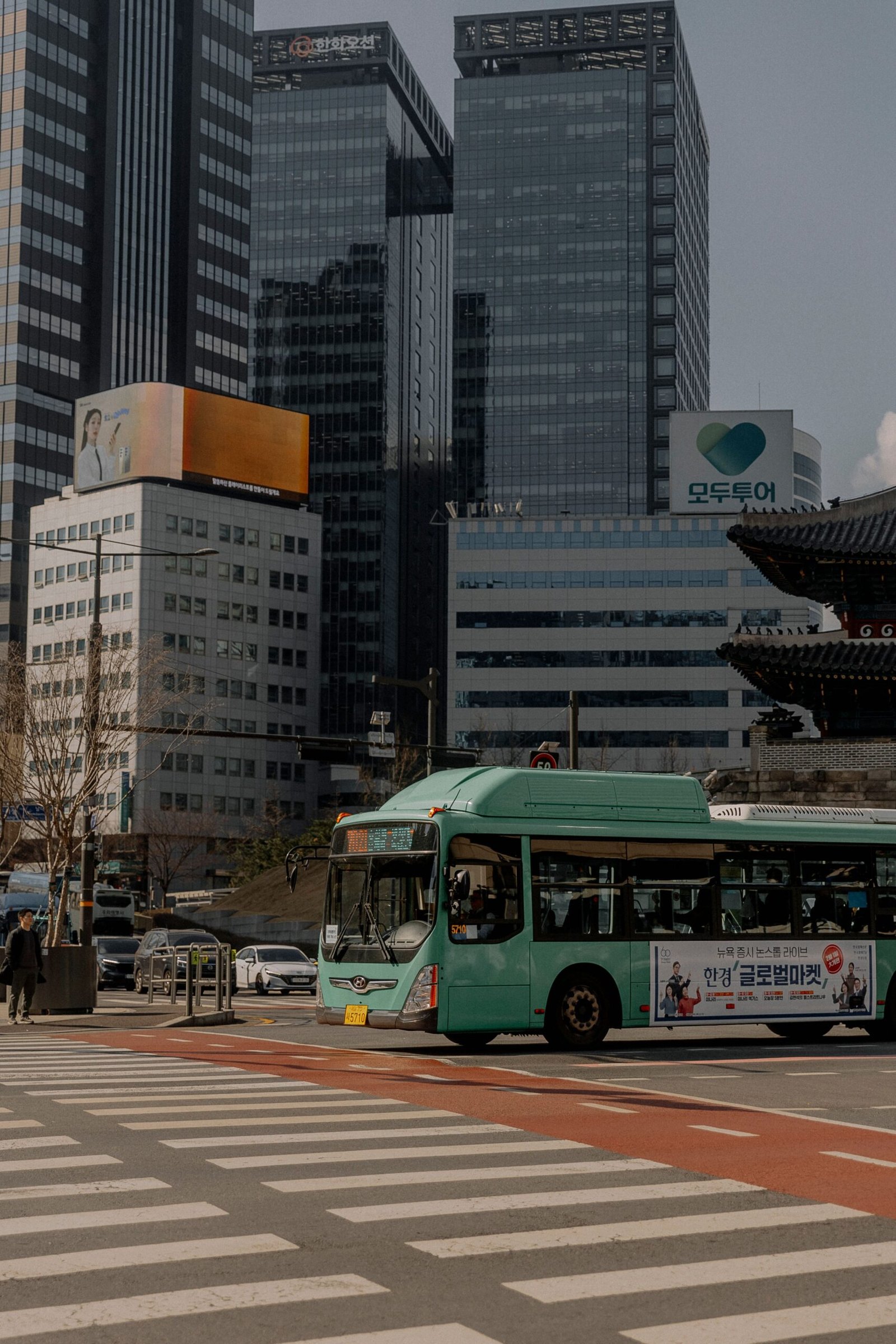

Choosing the best hotels in Seoul comes down to two things: which side of the river you want to base yourself on and what kind of trip you’re planning—palaces and street food, K-beauty shopping, nightlife, or business meetings in glassy high-rises. Seoul is huge, but it’s also wonderfully navigable thanks to one of the world’s most efficient subway systems, so you can prioritize neighborhood vibe without sacrificing day-trip flexibility.
In this guide to the best hotels in Seoul, you’ll find a quick neighborhood matchmaker, transportation and budget tips, and a curated list of reliable hotels—ranging from classic luxury in Myeongdong and Jamsil to design-forward boutiques near Hongdae. Compare hotels across these neighborhoods on TravelStayMaps to find the best rates and availability.
A refined, long-running favorite for travelers who want premium comfort without guesswork. It’s especially strong for central access and a quieter feel than the busiest shopping lanes.
› BOOK NOWBest Hotels in Seoul: Quick Overview
If you want maximum sightseeing convenience, stay in Myeongdong/Jung-gu—it’s central, walkable to markets and palaces, and well-connected to nearly every corner of the city. If you’re here for indie cafés, streetwear, and nightlife, Hongdae (near Hongik University) is the high-energy choice with late-night food and easy airport rail access.
For a polished, modern Seoul experience with high-end shopping and sleek towers, look to Gangnam or COEX/Samseong. And if you’re traveling with family (or want a resort-like feel), Jamsil near Lotte World and the Han River parks is hard to beat. If you’re building an Asia itinerary, you might also like these city guides for comparison: best traditional-meets-modern stays in Kyoto and where to stay in Osaka for food and nightlife.
A stylish boutique option that keeps you in the heart of the action while offering a more design-forward experience than many larger chains. Ideal for travelers who want convenience with personality.
› BOOK NOWBest Areas for the Best Hotels in Seoul
Seoul’s neighborhoods each have a distinct personality. Here’s how to pick the right base—plus what you can realistically expect for noise, walkability, and transit.
Myeongdong & Jung-gu (Central Seoul)
Best for: first-timers, shopping, short stays, easy transit.
Vibe: bustling and convenient, with a mix of department stores, skincare shops, and street food.
This is the “plug-and-play” part of Seoul: you’ll be close to Myeongdong shopping streets, Namdaemun Market, and a short ride from Gyeongbokgung Palace and Bukchon Hanok Village. Hotels here often deliver the best balance of comfort and location—ideal when you’re packing in a lot each day.
- Transit note: You’ll have multiple subway lines nearby; taxis are plentiful for late nights.
- Heads-up: Streets can be lively until late; request a higher floor if you’re a light sleeper.
Compare hotels across these neighborhoods on TravelStayMaps to find the best rates and availability.
Hongdae & Yeonnam-dong (Mapo-gu)
Best for: nightlife, café hopping, live music, younger energy, airport access.
Vibe: creative, energetic, and packed with late-night eats.
Hongdae is a favorite for travelers who want Seoul’s trend-driven side: street performances, boutiques, craft coffee, and bar-hopping. Nearby Yeonnam-dong adds a calmer, leafy café scene that feels local. If you’re flying into Incheon and want a simple arrival, being near the AREX (Airport Railroad Express) can be a big win.
- Transit note: Great subway connectivity; easy to get to Itaewon, city center, and even day trips.
- Heads-up: Weekend noise is real—choose a hotel slightly off the main party streets.
Insadong, Ikseon-dong & Jongno (Heritage Core)
Best for: culture, traditional lanes, walkable sightseeing, food markets.
Vibe: historic with a modern twist—hanok alleys, tea houses, and galleries.
If you want the “old Seoul” atmosphere, Jongno is a smart base. You’ll be close to palaces, traditional markets like Gwangjang, and photogenic lanes in Ikseon-dong. Hotels here range from boutique to premium, often with a calmer night vibe than Myeongdong.
- Transit note: Central lines make it easy to crisscross the city.
- Heads-up: Some boutique properties have smaller rooms; check square meters before booking.
Gangnam, COEX & Samseong (Modern Seoul)
Best for: business, upscale shopping, dining, conventions, a polished vibe.
Vibe: sleek, high-rise, international—think boulevards and luxury malls.
Gangnam is more spread out than central Seoul, but it’s a great pick if you want newer hotels, larger rooms, and easy access to COEX (conventions, aquarium, library). It’s also convenient for Han River parks—great for a morning run or a sunset picnic.
- Transit note: Subway is efficient, but expect longer rides to palaces and northern neighborhoods.
- Heads-up: Prices can run higher; booking early pays off.
Jamsil (Songpa-gu)
Best for: families, theme parks, sports events, resort-like comfort.
Vibe: spacious and modern with big attractions nearby.
Jamsil is anchored by Lotte World, Lotte World Tower, and major stadiums. Hotels here often feel more “destination” than “crash pad,” with bigger amenities and great views. It’s also a convenient base if you want quieter evenings without leaving city comforts.
- Transit note: You can reach central Seoul by subway; taxis are easy for late returns.
- Heads-up: If your focus is palaces + traditional neighborhoods, you’ll commute more.
A design-led stay that matches Hongdae’s creative energy. It’s a top choice if your Seoul plan includes late-night eats, shopping, and a neighborhood you can explore on foot.
› BOOK NOWBest Hotels in Seoul by Travel Style
Below are the travel styles I see most often—and where the best hotels in Seoul tend to concentrate for each.
- First-time sightseeing: Myeongdong/Jung-gu for fast access to top landmarks and markets.
- Food + nightlife: Hongdae for late-night energy; Jongno for markets and traditional eats.
- Luxury and views: Jamsil for skyline panoramas; central Seoul for classic high-end service.
- Business travel: Gangnam/COEX for conventions and modern rooms with strong facilities.
- Couples who love design: Insadong/Jongno boutique stays for atmosphere and walkability.
If you like planning by neighborhood the way you might in other big cities, you may also enjoy browsing: best areas and hotels in London for a similarly neighborhood-driven stay strategy.
One of the city’s most consistently impressive luxury hotels, especially for travelers planning palace-heavy days and refined evenings. A strong pick for special occasions and effortless comfort.
› BOOK NOWHow to Choose the Right Hotel in Seoul
1) Prioritize a subway line, not just a pin on the map
In Seoul, being a 4-minute walk to a station on the right line is often better than being “central” but with awkward transfers. If you’re doing palaces + markets, prioritize Lines 1–3; for Hongdae and airport access, proximity to AREX is a plus.
2) Check room size and bed type carefully
Seoul hotels can run compact, especially in busy central districts. Look for the room size in square meters and confirm whether “double” means one bed or two twins pushed together.
3) Consider your nightly noise tolerance
Myeongdong and Hongdae can stay lively late. If you’re sensitive to sound, book a higher floor, request a quiet room, and consider properties set one or two blocks away from main nightlife corridors.
4) Look for laundry access if you’re traveling longer
Self-service laundry (or at least affordable laundry service) is a major comfort upgrade—especially in humid summer or on multi-city trips.
A polished, design-forward luxury stay in modern Seoul. Perfect if your plans revolve around Gangnam, COEX events, and upscale dining, with easy access to the subway for everything else.
› BOOK NOWGetting Around Seoul: Transportation Tips
Seoul is one of the easiest mega-cities to navigate once you know the basics:
- T-money card: Buy and top up a T-money transit card at convenience stores (or stations) for seamless subway and bus rides.
- Subway etiquette: Rush hour is intense; if you’re traveling with luggage, aim for off-peak rides.
- Airport transfers: AREX is reliable for Hongdae/Seoul Station areas; airport buses are comfortable if you prefer fewer stairs.
- Taxis: Generally affordable compared with many global cities, especially for 2–3 people splitting fares late at night.
A bucket-list luxury hotel for travelers who want Seoul’s most dramatic views and a refined, quiet retreat above the city. Especially strong for families and couples planning a Jamsil-focused itinerary.
› BOOK NOWBudget Tips That Actually Save Money
- Shift your stay by one stop: In Hongdae, staying one station away (or in quieter Yeonnam-adjacent blocks) can cut rates without losing the vibe.
- Book weekday luxury: Many higher-end properties price lower on weekdays; weekend surcharges are common.
- Eat smart near markets: Gwangjang and Namdaemun are great for affordable meals—freeing up budget for a better hotel room.
- Use convenience stores strategically: Breakfast and snacks from CU/GS25/7-Eleven can reduce daily costs when hotel breakfast is pricey.
- Mind seasonal peaks: Spring blossoms and autumn foliage drive demand. If you’re flexible, shoulder dates often deliver noticeably better hotel value.
Final Booking Tips + What I’d Pick
For most travelers, the best hotels in Seoul are the ones that reduce friction: quick subway access, a comfortable room size, and a neighborhood that matches your evenings. If it’s your first time and you want the simplest plan, choose Myeongdong/Jung-gu. If you’ll be out late and love café culture, Hongdae is your sweet spot. For a special-occasion splurge, Jamsil’s skyline hotels deliver serious wow-factor.
Compare hotels across these neighborhoods on TravelStayMaps to find the best rates and availability.
My quick picks: For classic convenience: Lotte Hotel Seoul. For skyline luxury: Signiel Seoul. For a stylish, central boutique: Hotel28 Myeongdong. For modern business comfort: Park Hyatt Seoul.
FAQs
What is the best area to stay in Seoul for first-time visitors?
Myeongdong and the wider Jung-gu area are the easiest for first-timers. You’re close to major sights, shopping, markets, and multiple subway lines, which means you can see more with less transit planning—especially on a short trip.
Is it better to stay in Hongdae or Myeongdong?
Choose Hongdae if you want nightlife, youth culture, live music, and easy airport rail access. Choose Myeongdong if you want central sightseeing, simple transfers, and a more “tourist-convenient” base. If you’re doing late nights, Hongdae wins; if you’re doing early palace mornings, Myeongdong is usually smoother.
How many days in Seoul is enough?
Four to five days is a comfortable first visit: two days for palaces/markets/museums, one for a neighborhood day (Hongdae/Yeonnam, Ikseon-dong, or Gangnam), and one for a day trip (like DMZ or nearby hikes). With 2–3 days, stay central to reduce travel time.
What are the best hotels in Seoul for families?
Jamsil is particularly family-friendly thanks to Lotte World and open green space along the Han River. Hotels like Signiel Seoul and Sofitel Ambassador Seoul Hotel & Serviced Residences offer strong facilities, larger rooms (or residence-style options), and easy access to family attractions.
How do I get from Incheon Airport to my hotel?
You have three main options: AREX (fast and predictable for Hongdae/Seoul Station), airport limousine buses (comfortable with fewer transfers and good for major hotels), and taxi (best for late arrivals or families with lots of luggage). If you’re arriving during rush hour, the bus can sometimes be less stressful than multiple subway escalators.
Are Seoul hotels small compared to the US or Europe?
Many city-center Seoul hotels have compact rooms, especially in shopping-heavy areas. Always check the room size (in square meters) and consider upgrading one category if you value space—often a small price difference for a big comfort gain.
When is the cheapest time to book hotels in Seoul?
Prices are often lower in winter (excluding holiday periods) and on weekdays. Spring and autumn are peak seasons due to weather and festivals, so booking earlier helps. If your dates are fixed, consider staying one or two subway stops outside the hottest districts to get better value.
Recommended Hotels
📍 Myeongdong / Jung-gu
A classic Seoul luxury hotel that’s hard to beat for convenience. Expect full-service amenities, reliable comfort, and an unbeatable base for shopping, markets, and palace-day itineraries.
👍 Pros
- + Prime central location for first-timers
- + Polished service and strong facilities
- + Easy transit access for citywide sightseeing
👎 Cons
- – Can feel busy due to central location
- – Higher rates in peak seasons
📍 Myeongdong / City Hall (Jung-gu)
A refined, long-running favorite for travelers who want premium comfort without guesswork. It’s especially strong for central access and a quieter feel than the busiest shopping lanes.
👍 Pros
- + Excellent location between City Hall and Myeongdong
- + Comfortable rooms with strong soundproofing
- + Great for both leisure and business
👎 Cons
- – Some room categories can feel compact
- – Breakfast can be pricey
📍 Myeongdong (Jung-gu)
A stylish boutique option that keeps you in the heart of the action while offering a more design-forward experience than many larger chains. Ideal for travelers who want convenience with personality.
👍 Pros
- + Boutique style in a super-walkable location
- + Great value for the address
- + Easy base for shopping and food
👎 Cons
- – Not a resort-style facility set
- – Street activity nearby can be lively
📍 Hongdae (Mapo-gu)
A design-led stay that matches Hongdae’s creative energy. It’s a top choice if your Seoul plan includes late-night eats, shopping, and a neighborhood you can explore on foot.
👍 Pros
- + Trendy Hongdae location near cafés and nightlife
- + Strong design and lively social spaces
- + Good for couples and friends
👎 Cons
- – Weekend noise can be noticeable
- – Not ideal if you want a quiet, early-night base
📍 Gwanghwamun / Jongno
One of the city’s most consistently impressive luxury hotels, especially for travelers planning palace-heavy days and refined evenings. A strong pick for special occasions and effortless comfort.
👍 Pros
- + Exceptional service and high-end comfort
- + Great access to palaces and historic districts
- + Strong wellness facilities
👎 Cons
- – Premium pricing
- – Can book out quickly during peak seasons
📍 Gangnam / COEX (Samseong)
A polished, design-forward luxury stay in modern Seoul. Perfect if your plans revolve around Gangnam, COEX events, and upscale dining, with easy access to the subway for everything else.
👍 Pros
- + Sleek rooms and standout bathrooms
- + Excellent for COEX and business travel
- + Great city views from higher floors
👎 Cons
- – Less convenient for northern historic sights
- – Rates can be high on event weekends
📍 Jamsil (Songpa-gu)
A bucket-list luxury hotel for travelers who want Seoul’s most dramatic views and a refined, quiet retreat above the city. Especially strong for families and couples planning a Jamsil-focused itinerary.
👍 Pros
- + Iconic skyline views and a special-occasion feel
- + Convenient for Lotte World and Jamsil attractions
- + High-end service and facilities
👎 Cons
- – Not the most central base for palace sightseeing
- – Premium pricing reflects the landmark setting
Frequently Asked Questions
What is the best area to stay in Seoul?
For most travelers—especially first-timers—Myeongdong and the broader Jung-gu area are the best all-around base. You get excellent subway access, walkable shopping and markets, and quick rides to palaces, museums, and riverside areas. If nightlife and café culture are your priority, Hongdae is the top alternative.
Which neighborhoods are best for the best hotels in Seoul?
The best hotels in Seoul cluster in Myeongdong/Jung-gu (central convenience), Jongno/Gwanghwamun (heritage sights and high-end stays), Gangnam/COEX (modern business hotels), and Jamsil (skyline luxury and family-friendly attractions). Hongdae has fewer big luxury towers but excellent boutique and design-forward options.
Are the best hotels in Seoul close to tourist attractions?
Many are—especially in Jung-gu and Jongno, where you’re near markets, major shopping streets, and palace districts. If you stay in Gangnam or Jamsil, you’ll likely spend more time on the subway for historic sights, but you’ll gain newer hotels, larger rooms, and a more modern neighborhood feel.
How do I choose between Gangnam and Myeongdong?
Choose Myeongdong if you want central sightseeing with minimal planning and fast access to multiple subway lines. Choose Gangnam if your trip is business-focused, you prefer modern neighborhoods and upscale malls, or you value newer rooms and facilities. Both are well connected; the difference is mostly vibe and commuting time to northern sights.
What’s the best way to get around Seoul from my hotel?
Use the subway with a T-money card for most trips—it’s fast, frequent, and clearly signed. Buses are excellent once you’re comfortable, and taxis are a good value for late nights or when traveling in a small group. When booking, prioritize being within a short walk of a station on a line that matches your daily plans.
How can I save money on hotels in Seoul without staying far away?
Look one or two subway stops outside the hottest zones (for example, just beyond central Myeongdong streets or on quieter edges of Hongdae/Yeonnam). Also compare weekday vs weekend pricing, book early for spring/autumn peaks, and consider boutique 4-star hotels that often deliver excellent value in central areas.
