
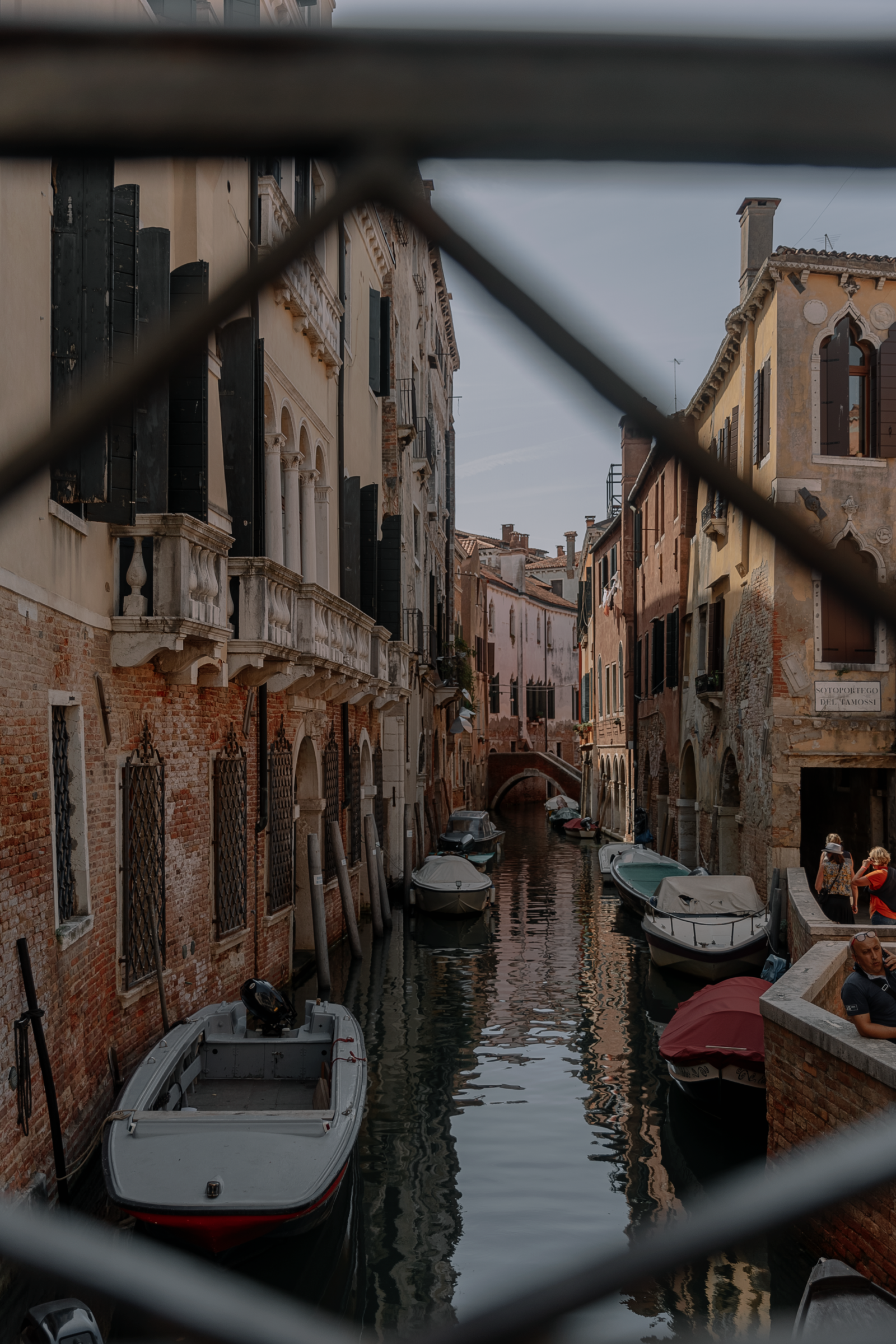

Finding the best hotels in Venice is less about chasing star ratings and more about choosing the right neighborhood for your trip style—romantic canals, museum-hopping, easy train access, or quieter local pockets. Venice is compact, but the experience changes dramatically from one sestiere (district) to the next: you can wake up to gondolas gliding past your window in San Marco, enjoy a calmer, artisan feel in Dorsoduro, or prioritize painless arrivals with a base near Santa Lucia station.
This guide breaks down where to stay, what each area feels like, and which hotels consistently deliver on location, comfort, and value—plus practical transport tips (vaporetto routes, airport transfers) and smart ways to save money without sacrificing the Venice magic.
Compare hotels across these neighborhoods on TravelStayMaps to find the best rates and availability.
A quintessential Grand Canal address for travelers who want historic luxury and a sense of occasion. Best for couples and celebratory trips where the hotel is part of the experience, not just a place to sleep.
› BOOK NOWBest Hotels in Venice: Quick Overview
Venice hotel prices swing wildly by season and by micro-location. A “5-minute walk” can include bridges and crowds, so practical positioning matters as much as prettiness. As you compare the best hotels in Venice, think about:
- Arrival logistics: If you’re coming by train, staying near Santa Lucia or Piazzale Roma can save you a long luggage haul over bridges.
- Nighttime atmosphere: San Marco and Rialto are thrilling by day but can feel hectic; Cannaregio and parts of Dorsoduro are calmer after dinner.
- Water-bus access: A hotel near a vaporetto stop can be a game-changer for day trips (Murano/Burano) and airport transfers.
- Room expectations: Historic buildings mean smaller rooms, more stairs, and occasional uneven floors—charming, but plan accordingly.
If you’re continuing your Italy trip, you may also like these nearby guides: best places to stay in Florence for sightseeing and top Rome hotels by neighborhood.
A museum-like palazzo stay with dramatic frescoes and a prestigious Grand Canal position. A great pick if you want luxury with character and prefer Cannaregio’s slightly more local feel near the action.
› BOOK NOWBest Areas for the Best Hotels in Venice
Venice is divided into six historic districts (sestieri), plus nearby islands. Here’s how to choose the best base:
- San Marco: Iconic Venice—St. Mark’s Basilica, Doge’s Palace, high-end shopping, and postcard views. Best for first-timers and short stays.
- Dorsoduro: Art-forward and atmospheric, with the Peggy Guggenheim Collection and lively bacari (wine bars). Great for couples and repeat visitors.
- Cannaregio: More local, great value for Venice, excellent cicchetti scene, and a smart choice if you want to walk everywhere without the San Marco crowds.
- Santa Croce / Near Santa Lucia: Most practical for train or bus arrivals (especially with luggage), while still feeling authentically Venetian once you’re a few streets in.
- Giudecca: Across the water from the main island—more space, big views, and resort-like hotels with easier access to pools and terraces.
- Lido: Beachy, quieter, and spacious—ideal in summer or for families who want a breather from the lanes and bridges.
A polished, welcoming base that balances convenience with a quieter Dorsoduro vibe. Ideal if you want an easy arrival and a comfortable, well-run hotel that still feels distinctly Venetian.
› BOOK NOWSan Marco: Best Hotels in Venice for First-Timers
San Marco is the Venice you’ve imagined your whole life: grand squares, glittering interiors, and classic canal scenes. It’s also where you’ll find many of the city’s most celebrated properties—along with the highest prices and densest crowds. If this is your first visit and you want to step out into the heart of it all, San Marco is hard to beat.
Who it’s best for: First-timers, proposal/anniversary trips, travelers who want to walk to major sights early in the morning before day-trippers arrive.
Watch-outs: It’s easy to overpay for a “San Marco” address that’s actually a long zigzag away. Verify walking time to St. Mark’s Square and the nearest vaporetto stop.
Stay here if you want:
- Classic Venice views (Grand Canal glimpses, gondola traffic)
- Fast access to top attractions and evening strolls around Piazza San Marco
- Premium service and elegant, historic interiors
Compare hotels across these neighborhoods on TravelStayMaps to find the best rates and availability.
A strong choice for travelers who want Dorsoduro’s laid-back elegance and easy water-bus connections. Expect a comfortable, contemporary-leaning stay with quick access to sunset walks along the Zattere.
› BOOK NOWDorsoduro: Best Hotels in Venice for Art & Aperitivo
Dorsoduro is where Venice feels effortlessly cool: art museums, long waterside promenades, and a stronger local rhythm once you drift away from the Accademia area. It’s also a favorite for couples who want romance without the constant crush of San Marco.
Who it’s best for: Art lovers, food-and-wine travelers, couples, and anyone who wants a slightly calmer base with excellent restaurants.
Local tip: Target hotels near Zattere or Accademia for easy vaporetto access and scenic sunset walks along the water.
A solid, good-value Cannaregio base for travelers who want a quieter home neighborhood and easy access to northern Venice. Great for longer stays where you’ll appreciate the calmer evenings and practical connections.
› BOOK NOWCannaregio: Best Hotels in Venice for Local Vibes
Cannaregio is a smart pick if you want Venice to feel lived-in. It’s home to the historic Jewish Ghetto, terrific bacari, and pockets of quiet canals that still look like a painting at dawn. Prices can be friendlier here, especially as you move away from the Strada Nova corridor.
Who it’s best for: Repeat visitors, value seekers, longer stays, and travelers who prefer less tourist congestion at night.
Local tip: Look for a hotel within an easy walk of a vaporetto stop like Guglie or Fondamente Nove—Fondamente Nove is especially handy for boats to Murano and Burano.
A standout option on Giudecca for travelers who want big views, larger rooms, and amenities that are rare in central Venice. Ideal for summer trips, families, or anyone who likes returning to a calmer base after sightseeing.
› BOOK NOWSanta Croce & Near Santa Lucia: Easiest Arrival
If you’re arriving with rolling luggage (or traveling with kids), being near Santa Lucia train station or Piazzale Roma can make Venice dramatically easier. While this zone isn’t as “storybook” as deep San Marco, it’s still authentically Venetian—and you’ll spend less energy on logistics and more on exploring.
Who it’s best for: Short stays, early trains, families with strollers, and anyone who prioritizes convenience.
Local tip: Double-check whether your hotel is on the same side of the Grand Canal as the station; crossing requires a bridge unless you take a vaporetto.
Giudecca & Lido: Space, Views, and a Slower Pace
Want a breather from the tight lanes and busy bridges? Giudecca delivers big-sky views back toward Venice, often with larger rooms and resort-style amenities (including pools in some cases). The Lido is Venice’s beach island—excellent in warm months, and a good pick for families or travelers who like a more conventional “holiday” feel.
Who it’s best for: Summer trips, travelers who want pools/terraces, families, and anyone sensitive to crowds.
Watch-outs: You’ll rely more on the vaporetto, so staying near a frequent stop is key—especially at night.
Budget Tips & Transportation Advice
Smart ways to save on Venice hotels
- Travel shoulder season: Late fall and winter (excluding holidays) can offer better rates on some of the best hotels in Venice, plus calmer streets.
- Prioritize “right location” over “right star rating”: A well-located 3–4 star often beats a cheaper property that forces long walks over multiple bridges.
- Choose breakfast strategically: Venice breakfasts can be pricey. If your hotel charges extra, consider a nearby pastry bar and cappuccino instead.
- Look for value-adds: Included breakfast, upgraded WiFi, or a water taxi discount can offset a higher nightly rate.
- Stay longer: Some properties offer better per-night value for 3+ nights, especially outside peak dates.
Getting around Venice (without stress)
- On foot: Venice is made for walking, but expect bridges and occasional dead ends. Comfortable shoes matter more here than almost anywhere in Italy.
- Vaporetto (water bus): The most useful lines for visitors include Line 1 (Grand Canal scenic route) and Line 2 (faster, fewer stops). Consider a multi-day pass if you’ll be hopping between islands and neighborhoods.
- Airport transfers: From Marco Polo (VCE), you can use Alilaguna water shuttles to key stops or opt for a private water taxi (splurge, but unforgettable—best shared with a group).
- Trains: Santa Lucia station is walkable to many Santa Croce/Cannaregio hotels. If you’re deep in San Marco, factor in a 20–40 minute walk depending on crowds and bridges.
Day-trip planning tip
If Murano and Burano are on your list, staying near Fondamente Nove (Cannaregio) can reduce transit time. Otherwise, pick a hotel close to a central vaporetto stop to avoid long backtracks.
How to Choose (and Book) the Right Hotel
- Request canal-facing rooms carefully: “Canal view” may mean a tiny side canal. Ask for specifics if views matter.
- Check for elevators: Many historic buildings have limited (or no) lift access—important with heavy bags.
- Confirm air-conditioning timing: Some properties run AC seasonally; if you’re traveling in shoulder months, verify it’s active.
- Map the nearest vaporetto stop: This is your Venice “transit lifeline,” especially if you’re traveling with kids or planning island trips.
If you’re building a multi-city itinerary, pair this with where to stay in Milan for shopping and design to keep train travel simple.
Final Thoughts
The best hotels in Venice are the ones that match your daily rhythm: early-morning Piazza San Marco strolls, art days in Dorsoduro, cicchetti crawls in Cannaregio, or a calmer, view-filled reset on Giudecca or the Lido. Choose your base first, then pick the property with the access (and amenities) that will make Venice feel effortless.
Compare hotels across these neighborhoods on TravelStayMaps to find the best rates and availability.
Once you’ve booked, plan at least one “no-plan” morning—Venice rewards wandering. The right hotel makes it easy to step out the door and let the city unfold canal by canal.
Recommended Hotels
📍 San Marco
A Venice legend known for its opulent, historic interiors and an unbeatable base near St. Mark’s. Ideal if you’re treating this trip as a once-in-a-lifetime stay and want immediate access to the city’s headline sights.
👍 Pros
- + Iconic Venetian grandeur with a prime San Marco location
- + Unforgettable atmosphere for special occasions
👎 Cons
- – Premium pricing in peak season
- – Some rooms can feel classic rather than contemporary
📍 San Marco (Grand Canal)
A quintessential Grand Canal address for travelers who want historic luxury and a sense of occasion. Best for couples and celebratory trips where the hotel is part of the experience, not just a place to sleep.
👍 Pros
- + Grand Canal setting with classic Venetian elegance
- + Top-tier service and dining
👎 Cons
- – Very high rates and limited availability
- – Can feel formal for casual travelers
📍 Cannaregio (near Rialto / Grand Canal)
A museum-like palazzo stay with dramatic frescoes and a prestigious Grand Canal position. A great pick if you want luxury with character and prefer Cannaregio’s slightly more local feel near the action.
👍 Pros
- + Palace-like interiors with strong sense of place
- + Convenient for Rialto and Grand Canal access
👎 Cons
- – Old-world style isn’t for everyone
- – Some rooms vary in size due to historic layout
📍 Dorsoduro (near Piazzale Roma)
A polished, welcoming base that balances convenience with a quieter Dorsoduro vibe. Ideal if you want an easy arrival and a comfortable, well-run hotel that still feels distinctly Venetian.
👍 Pros
- + Excellent value for the quality and comfort
- + Convenient access from transit points without sacrificing charm
👎 Cons
- – Not in the very center of San Marco
- – Limited on-site facilities compared with large luxury hotels
📍 Dorsoduro (Zattere area)
A strong choice for travelers who want Dorsoduro’s laid-back elegance and easy water-bus connections. Expect a comfortable, contemporary-leaning stay with quick access to sunset walks along the Zattere.
👍 Pros
- + Great access to vaporetto stops for sightseeing and islands
- + Modern comfort with Venetian style touches
👎 Cons
- – Some rooms face the street rather than canals
- – Zattere is calm—nightlife is limited
📍 Cannaregio
A solid, good-value Cannaregio base for travelers who want a quieter home neighborhood and easy access to northern Venice. Great for longer stays where you’ll appreciate the calmer evenings and practical connections.
👍 Pros
- + Good value in a calmer, more local area
- + Convenient for reaching Murano/Burano routes from the north side
👎 Cons
- – A bit farther from San Marco on foot
- – Views vary—request canal-facing if important
📍 Giudecca
A standout option on Giudecca for travelers who want big views, larger rooms, and amenities that are rare in central Venice. Ideal for summer trips, families, or anyone who likes returning to a calmer base after sightseeing.
👍 Pros
- + More space and resort-style amenities than most Venice hotels
- + Beautiful views back toward Venice with easy boat connections
👎 Cons
- – Not on the main island—vaporetto/shuttle needed
- – Can feel like a self-contained complex rather than a boutique stay
Frequently Asked Questions
What is the best area to stay in Venice?
For first-time visitors, San Marco is the most convenient base for major sights like St. Mark’s Basilica and the Doge’s Palace, but it’s also the busiest and most expensive. For a more local feel with great food and better value, Cannaregio is an excellent choice. Dorsoduro suits art lovers and couples who want a slightly quieter, stylish atmosphere with easy vaporetto access.
How many nights should I stay in Venice?
Two nights is the minimum to see the highlights without rushing, but three nights is ideal for a more relaxed pace (and time for Murano/Burano). If you’re staying on Giudecca or the Lido, an extra night helps because you’ll rely more on the vaporetto for back-and-forth trips.
Is it better to stay near the train station in Venice?
Staying near Santa Lucia station (or Piazzale Roma) is best if you’re arriving with luggage, have an early departure, or want maximum convenience. You’ll save time and avoid hauling bags over bridges. The trade-off is a slightly less “storybook” setting than deep San Marco, though Santa Croce and nearby Cannaregio streets can still feel authentically Venetian.
Do Venice hotels have elevators and air conditioning?
Not always. Many Venice hotels are in historic buildings where elevators may be small or absent, and stairs can be steep. Air conditioning is common in mid-range and upscale hotels, but it may run seasonally in some properties. If either feature is important, confirm it in the room details before booking.
What’s the best way to get from Venice airport to my hotel?
From Marco Polo (VCE), you can take the Alilaguna water shuttle to major stops (a good balance of cost and convenience) or a private water taxi for the most direct, memorable arrival. If you’re staying near Piazzale Roma or the train station, ground transport plus a short walk can also work well. Always check the nearest vaporetto stop to your hotel to minimize walking with luggage.
Are Venice hotels expensive, and how can I save money?
Venice can be expensive, especially in peak spring/summer and around major events. To save, travel in shoulder season, choose Cannaregio or Santa Croce for better value, and consider skipping hotel breakfast in favor of a local pastry bar. Also look for hotels close to a vaporetto stop—better transport access can reduce the need for pricier taxis and long detours.
