
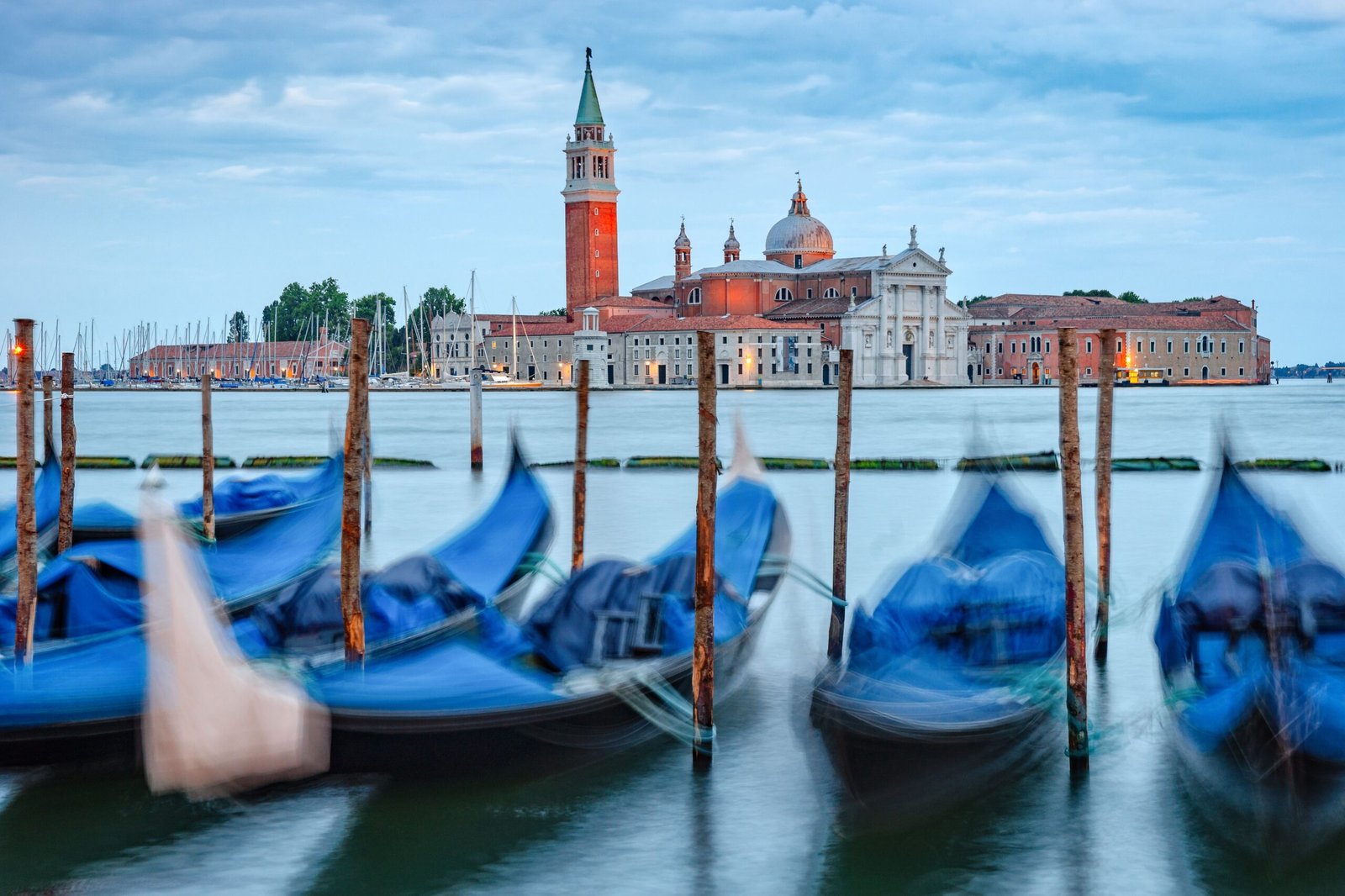

Booking the best hotels in Venice is as much about where you stay as it is about the property itself. Venice changes neighborhood by neighborhood: grand canal palaces and designer shopping in San Marco, authentic cicchetti bars in Cannaregio, art-and-aperitivo energy in Dorsoduro, and quieter, family-friendly pockets near Castello’s gardens. Choose well and you’ll spend less time navigating crowds (and bridges) and more time enjoying sunrise walks, lagoon views, and late-night spritz stops.
Below, you’ll find a practical neighborhood guide plus handpicked hotel recommendations—ranging from iconic luxury to excellent-value boutique stays—so you can match your trip style (romance, first-timer sightseeing, food, art, or budget) with the right base.
Compare hotels across these neighborhoods on TravelStayMaps to find the best rates and availability.
One of Venice’s most famous heritage hotels, celebrated for its old-world glamour and prime location just beyond the busiest San Marco lanes. A strong choice if you want classic Venice aesthetics with walkable access to major landmarks.
› BOOK NOWQuick Picks: Best Hotels in Venice
If you want a fast shortlist of the best hotels in Venice, start here:
- Gritti Palace, a Luxury Collection Hotel (San Marco): iconic Grand Canal glamour and service.
- Ca’ Sagredo Hotel (Cannaregio/Santa Croce edge): museum-like interiors on the Grand Canal.
- Hotel Danieli (Castello edge): legendary Venetian romance steps from St. Mark’s.
- Ca’ Pisani Hotel (Dorsoduro): stylish Art Deco boutique near museums and cicchetti.
- Il Palazzo Experimental (Dorsoduro): design-forward stay with a standout cocktail bar.
- Hotel Antiche Figure (Santa Croce): practical, comfortable, and convenient by Santa Lucia station.
- Hotel Moresco (Dorsoduro/Santa Croce): elegant boutique with easy transport connections.
For more city-specific comparisons, you may also like the best places to stay in Rome for first-timers or top hotels in Florence near the Duomo.
A lavish Grand Canal palazzo hotel that feels like staying inside Venetian history, with dramatic frescoes and elegant public rooms. Great for travelers who want luxury with a slightly more local neighborhood vibe than San Marco.
› BOOK NOWBest Hotels in Venice by Area
Venice is compact, but it’s not “easy” in the way grid-based cities are. Bridges, crowds, and waterbus routes can change how long it takes to get somewhere—especially with luggage. Here’s how to choose among the best areas:
- San Marco: most central for landmarks (St. Mark’s Basilica, Doge’s Palace). Convenient but busiest and often priciest.
- Dorsoduro: artsy and romantic with the Peggy Guggenheim Collection and lively dining; a great balance of atmosphere and walkability.
- Cannaregio: more local, better value, excellent food and aperitivo scene; good for repeat visitors and budget-savvy travelers.
- Castello: quieter feel with lagoon views and green spaces; excellent if you want a calmer Venice within walking distance of the center.
- Santa Croce (by the station): best for arrivals/departures and day trips; practical choice if you want to minimize luggage hauling.
A design-forward boutique hotel in artsy Dorsoduro, well placed for the Accademia and Guggenheim area plus evenings around Campo Santa Margherita. A strong mid-to-upscale pick for couples who value style and location.
› BOOK NOWSan Marco: Classic Venice & First-Timer Convenience
Staying in San Marco puts you in the postcard version of Venice: early-morning piazza strolls, Grand Canal photo spots, and quick access to the major sights. The tradeoff is crowds (especially midday) and higher prices for rooms, dining, and private water transport. If it’s your first visit and you plan to see the headline attractions, this is the simplest base—particularly if you’re happy to start early and retreat to your hotel when day-trippers arrive.
Best for
- First-timers prioritizing St. Mark’s and central sightseeing
- Luxury stays with landmark views and classic service
- Short trips where convenience matters more than quiet
Top hotel picks in/near San Marco
- The Gritti Palace: A quintessential Grand Canal stay—ideal for a once-in-a-lifetime splurge.
- Hotel Danieli (just over the line toward Castello): Historic, romantic, and steps from the waterfront promenade.
Local tip: San Marco is best enjoyed early. If your hotel includes breakfast, take it early and head out before 9 a.m. to experience Venice at its most serene.
Compare hotels across these neighborhoods on TravelStayMaps to find the best rates and availability.
A chic contemporary option that pairs well-designed rooms with one of the area’s most compelling cocktail experiences. Best for travelers who want modern comfort in a relaxed, less crowded slice of Venice.
› BOOK NOWDorsoduro: Artsy, Romantic, Great Food
Dorsoduro is a favorite for travelers who want beauty and atmosphere without being swallowed by the busiest tourist funnels. It’s home to major art stops like the Peggy Guggenheim Collection and Gallerie dell’Accademia, plus excellent cicchetti (Venetian small bites) bars around Campo Santa Margherita and along the canals toward Zattere. It also connects well to the mainland via Piazzale Roma and has convenient vaporetto stops for exploring the islands.
Best for
- Couples and repeat visitors seeking a “lived-in” Venice feel
- Art lovers, walkers, and food-focused travelers
- Balanced logistics (walkable, but not as chaotic as San Marco)
Top hotel picks in Dorsoduro
- Ca’ Pisani Hotel: Stylish Art Deco boutique near museums and elegant evening strolls.
- Il Palazzo Experimental: Design-led rooms and a destination cocktail bar—great for modern tastes.
- Hotel Moresco (Dorsoduro/Santa Croce edge): Boutique comfort with an easy arrival route for luggage.
Local tip: If you’re planning day trips (Murano, Burano, Lido), Dorsoduro’s vaporetto access can save time compared with backtracking from deeper interior lanes.
A practical, traveler-friendly hotel that makes logistics easy—especially if you’re arriving by train or taking early day trips. A smart choice if you prioritize convenience and value while still being well connected to the historic center.
› BOOK NOWCannaregio: Local Vibes & Better Value
Cannaregio offers some of the best value among the central sestieri (districts), with a more residential rhythm once you step away from the main routes. You’ll find classic bacari (wine bars), canal-side walks, and the historic Jewish Ghetto—one of Venice’s most meaningful cultural areas. It’s also convenient for arrivals if you’re using the train station (Santa Lucia), since Cannaregio begins right across the Grand Canal.
Best for
- Travelers who want an authentic, less “theme-park” Venice
- Better mid-range options among the best hotels in Venice
- Food lovers chasing cicchetti and neighborhood restaurants
Top hotel picks in Cannaregio
- Ca’ Sagredo Hotel: A Grand Canal palazzo with lavish interiors that feel like staying inside a painting.
Local tip: Cannaregio is ideal if you like evenings out. You can enjoy aperitivo and dinner close to your hotel without the late-night trek across multiple bridges.
An elegant boutique option that blends comfort and calm with relatively straightforward access from Piazzale Roma. Ideal if you want to explore on foot but prefer a slightly quieter return at night.
› BOOK NOWCastello: Quiet Corners Near the Lagoon
Castello stretches from the edge of San Marco into calmer territory with wider lanes, local shops, and green spaces near the Biennale Gardens. If you want to be near the main sights but sleep in a quieter area, Castello is a smart compromise. It’s also a great choice during Biennale season, when being close to the Giardini and Arsenale venues is a major advantage.
Best for
- Quieter evenings with easy access to San Marco on foot
- Biennale visitors and travelers who like lagoon-side walks
- Romantic stays in historic buildings
Top hotel picks in/near Castello
- Hotel Danieli: Legendary Venice ambiance near the waterfront and St. Mark’s.
Local tip: For a peaceful reset, walk the Riva degli Schiavoni early in the morning toward the Arsenale—soft light, fewer crowds, and a completely different Venice mood.
Transportation Tips (Vaporetto, Water Taxis & Walking)
Even when you pick among the best hotels in Venice, transportation logistics can make or break your arrival day. Venice is mostly walking and water transport—plan for bridges, occasional flooding (acqua alta), and crowds around peak hours.
Arriving by train (Santa Lucia)
- Most convenient areas: Santa Croce (near Piazzale Roma) and Cannaregio.
- With luggage: Consider a hotel near the station (or with porter assistance). Rolling suitcases over bridges is hard work.
Arriving by plane (VCE Marco Polo)
- Fastest “Venice feeling” transfer: Alilaguna airport boat to key stops (check which line stops nearest your hotel).
- Most direct, most expensive: Private water taxi—excellent for special occasions or late-night arrivals.
- Budget option: Airport bus to Piazzale Roma, then vaporetto or walking.
Vaporetto passes
- If you’ll use water buses more than a couple of times per day, a 24/48/72-hour pass usually pays off.
- Staying central (San Marco/Dorsoduro) can reduce transport costs because many sights are walkable.
Practical tip: Before you book, look up the nearest vaporetto stop and how many bridges lie between it and the hotel. Two hotels can be “10 minutes away” on a map but very different in real-life effort.
Budget Tips for Booking Hotels in Venice
Venice is rarely “cheap,” but you can absolutely stay well without overpaying. Here’s how to find the best hotels in Venice for your budget:
- Travel shoulder season: Late fall (November) and winter (January–February) often bring lower rates, though days are shorter and some services may run reduced hours.
- Book earlier for spring and events: Prices spike around Easter, summer weekends, Carnival, and Biennale. Lock in refundable rates as soon as flights are booked.
- Choose value-forward locations: Cannaregio and parts of Dorsoduro often deliver better room quality per euro than the most central San Marco addresses.
- Prioritize breakfast smartly: If breakfast is expensive, opt out and use a neighborhood pastry bar (cornetto + cappuccino) to save daily.
- Look for “quiet luxuries”: Soundproofing, reliable air conditioning, and good mattresses can matter more than a canal view—especially in summer.
If you’re pairing Venice with other Italian cities, it can help to balance budgets—splurge here, save elsewhere. For inspiration, see where to stay in Milan for shopping and design.
Booking Tips & What to Watch For
Venice hotel listings can be deceptively similar. Use these checks to make sure you’re truly getting one of the best hotels in Venice for your needs:
- Room size: Many historic buildings have compact rooms. If space matters, verify square meters and bed type.
- Stairs vs. elevator: Some palazzi have limited elevator access or steps at entry. Confirm if accessibility is important.
- Air conditioning: Essential in summer; double-check reviews for performance.
- Canal view expectations: “Canal view” can mean a small side canal—not necessarily the Grand Canal. Decide what you’re paying for.
- Noise: Piazza-facing rooms can be lively late. If you’re light sleepers, request interior or quieter-side rooms.
- Check-in logistics: Late arrivals are common—confirm front desk hours and after-hours access.
Conclusion: Choosing the Right Venice Base
The best hotels in Venice are the ones that match your day-to-day rhythm: San Marco for landmark convenience, Dorsoduro for art and romance with great dining, Cannaregio for local character and value, and Castello for a calmer, lagoon-side Venice. Once you’ve chosen your neighborhood, prioritize the logistics that matter most—vaporetto access, bridge count with luggage, and the kind of room you’ll actually enjoy after a long day of walking.
Compare hotels across these neighborhoods on TravelStayMaps to find the best rates and availability.
With the right base, Venice feels less like a day-trip checklist and more like a city you can truly live in—one espresso, one canal, and one sunset stroll at a time.
Recommended Hotels
📍 San Marco (Grand Canal)
A bucket-list Venetian palazzo hotel on the Grand Canal with polished service, richly detailed interiors, and an unbeatable address for first-time sightseeing. Ideal for romantic trips and special occasions where the hotel is part of the experience.
👍 Pros
- + Iconic Grand Canal setting
- + Exceptional service and classic Venetian style
- + Walkable to St. Mark’s and top sights
👎 Cons
- – Premium pricing year-round
- – Popular location can feel busy outside
📍 Castello (near San Marco / Riva degli Schiavoni)
One of Venice’s most famous heritage hotels, celebrated for its old-world glamour and prime location just beyond the busiest San Marco lanes. A strong choice if you want classic Venice aesthetics with walkable access to major landmarks.
👍 Pros
- + Historic, romantic atmosphere
- + Steps from St. Mark’s Basin waterfront
- + Great base for early-morning Venice walks
👎 Cons
- – Some rooms vary in size and layout
- – Can be pricey during peak season
📍 Cannaregio (Grand Canal)
A lavish Grand Canal palazzo hotel that feels like staying inside Venetian history, with dramatic frescoes and elegant public rooms. Great for travelers who want luxury with a slightly more local neighborhood vibe than San Marco.
👍 Pros
- + Palazzo-like, museum-quality decor
- + Grand Canal views in a more local-feeling area
- + Good access to Rialto and Cannaregio dining
👎 Cons
- – Less “modern minimalist,” more traditional styling
- – Limited availability at popular dates
📍 Dorsoduro
A design-forward boutique hotel in artsy Dorsoduro, well placed for the Accademia and Guggenheim area plus evenings around Campo Santa Margherita. A strong mid-to-upscale pick for couples who value style and location.
👍 Pros
- + Distinctive Art Deco boutique style
- + Excellent base for museums and Dorsoduro dining
- + Romantic, quieter streets nearby
👎 Cons
- – Not a “big resort” style property
- – Some rooms can feel compact (typical Venice)
📍 Dorsoduro (Zattere area)
A chic contemporary option that pairs well-designed rooms with one of the area’s most compelling cocktail experiences. Best for travelers who want modern comfort in a relaxed, less crowded slice of Venice.
👍 Pros
- + Modern design with a lively bar scene
- + Good access to vaporetto routes and lagoon-side walks
- + Great dining and aperitivo nearby
👎 Cons
- – More contemporary feel may not suit traditionalists
- – Buzz from bar/restaurant areas at peak times
📍 Santa Croce (near Santa Lucia train station)
A practical, traveler-friendly hotel that makes logistics easy—especially if you’re arriving by train or taking early day trips. A smart choice if you prioritize convenience and value while still being well connected to the historic center.
👍 Pros
- + Very convenient for train arrivals and departures
- + Good value for Venice with reliable comfort
- + Easy vaporetto access without deep-lane navigation
👎 Cons
- – Not in the most atmospheric “deep Venice” lanes
- – Can be busy around the station area
📍 Dorsoduro / Santa Croce edge
An elegant boutique option that blends comfort and calm with relatively straightforward access from Piazzale Roma. Ideal if you want to explore on foot but prefer a slightly quieter return at night.
👍 Pros
- + Boutique feel with strong service
- + Easier luggage logistics than deeper central lanes
- + Quiet, comfortable base with good transport links
👎 Cons
- – A bit removed from the most central sightseeing cluster
- – Limited on-site facilities compared to large luxury hotels
Frequently Asked Questions
What is the best area to stay in Venice?
For first-timers, San Marco is the most convenient base for major landmarks like St. Mark’s Basilica and the Doge’s Palace—expect higher prices and heavier crowds. For a more relaxed, romantic feel with excellent dining and museum access, Dorsoduro is a top pick. If you want better value and a more local atmosphere, Cannaregio is often the sweet spot, while Castello suits travelers who want quieter evenings within walking distance of the center.
How many nights should I stay in Venice?
Two nights is the minimum to see the highlights without rushing, but three nights is ideal for a balanced trip—one day for San Marco and the Grand Canal, one day for Dorsoduro/Cannaregio, and time for an island excursion to Murano and Burano (or a lagoon sunset ride). If you’re visiting during peak season, extra time helps you enjoy early mornings and late evenings when day-trippers are gone.
Is it better to stay near the train station in Venice?
Staying near Santa Lucia station (Santa Croce/Cannaregio edge) is excellent for convenience—especially with luggage, early departures, or day trips. You’ll reduce bridge-hauling and can easily connect to vaporetto routes. The main compromise is that it feels less “deep Venice” than central lanes near San Marco, but it can be a smart move for short stays or travel-heavy itineraries.
Do I need to buy a vaporetto pass if I stay in a central hotel?
If your hotel is in San Marco or central Dorsoduro, you can walk to many sights, so a pass isn’t always necessary. However, if you plan to use the water bus multiple times per day (Grand Canal rides, island trips, Lido beach time), a 24/48/72-hour pass typically offers better value than single tickets. Many travelers buy a pass specifically for island days and rely on walking the rest of the time.
When is the cheapest time to book hotels in Venice?
The best deals usually appear in the low and shoulder seasons—January to February (after Epiphany) and parts of November can be notably cheaper, though weather is cooler and some services may be reduced. Rates rise sharply around Carnival, Easter, late spring weekends, and summer. For popular periods, booking early with a refundable rate is often the safest strategy.
Are canal-view rooms worth it in Venice?
They can be—especially for a first trip or special occasion—but it depends on the canal and your priorities. Grand Canal views command the highest premiums, while side-canal views can still be charming and quieter. If you’ll spend most of your time out exploring, consider saving money with a well-located room and enjoying canal views from public spots like the Rialto area or waterfront promenades.
