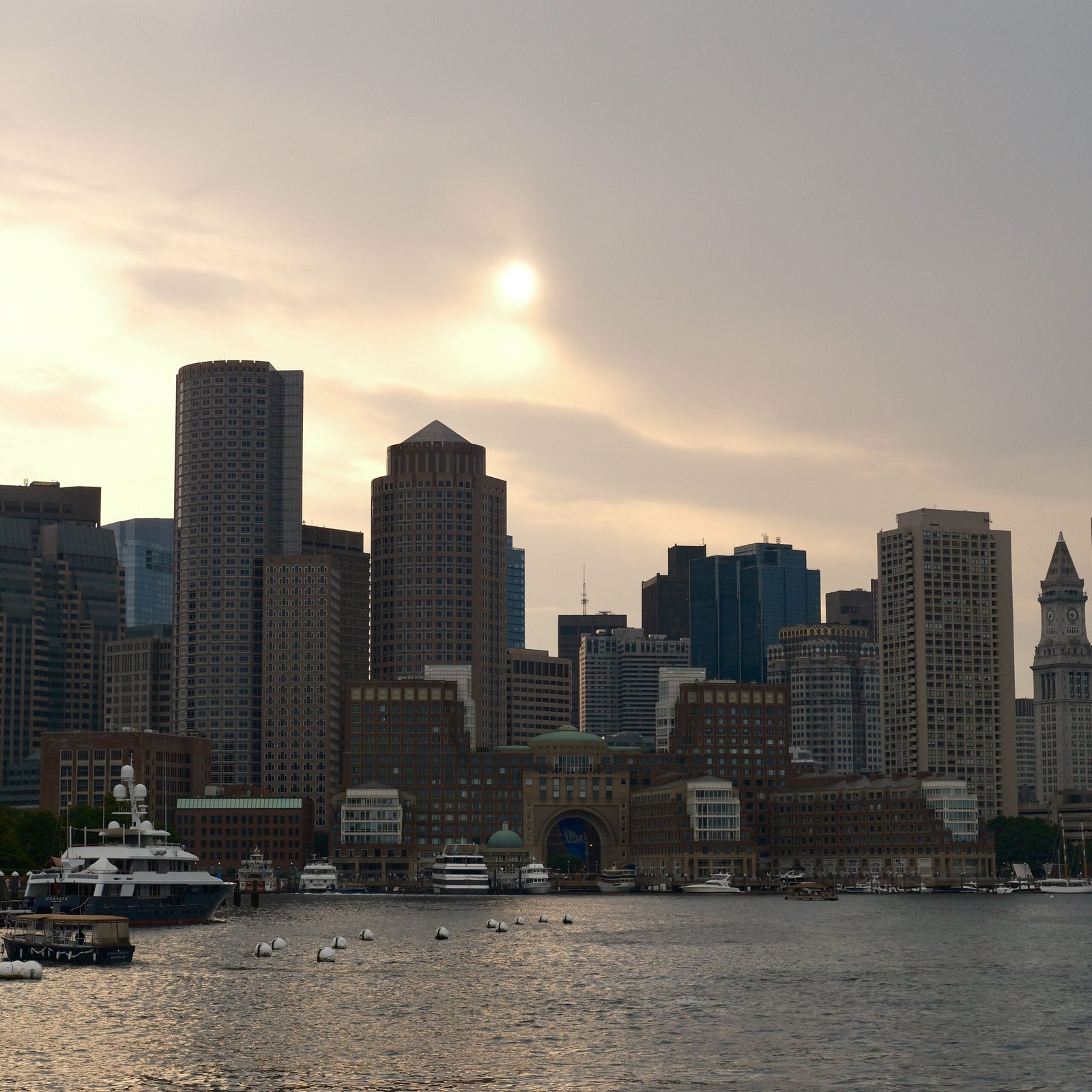

Finding the best hotels in Boston comes down to two things: choosing the right neighborhood for your trip style (history-heavy sightseeing, business, nightlife, waterfront views, or a campus visit) and booking early enough to avoid peak-season sticker shock. Boston is compact, walkable, and well-connected by the MBTA (“the T”), so you can stay slightly outside the core and still be 15–25 minutes from major sights—often for hundreds less per night.
Below you’ll find a neighborhood-by-neighborhood breakdown, practical transportation and budget tips, and a curated list of hotel standouts—from classic luxury to dependable mid-range—so you can confidently pick among the best hotels in Boston for your dates and priorities.
Compare hotels across these neighborhoods on TravelStayMaps to find the best rates and availability.
A classic Boston grande dame with a prime Back Bay location steps from Copley Square and Newbury Street. Perfect for travelers who want timeless charm and a walkable base for first-time sightseeing.
› BOOK NOWBest Hotels in Boston: Quick Overview
Boston’s hotel market is famously seasonal. Rates jump during fall (college move-in, foliage, marathon training season), late spring (graduations), and major events like the Boston Marathon. Winter can be a value window (outside holiday weeks), while summer is popular for family travel and waterfront walks.
- Most central & walkable: Back Bay, Beacon Hill, Downtown/Waterfront
- Best for food + history: North End + Waterfront (easy Freedom Trail access)
- Best modern scene: Seaport (new restaurants, harbor views, convention access)
- Best for campus visits: Cambridge (Harvard/MIT), with easy Red Line access
If you’re comparing broader New England city stays, you may also like more Boston hotel picks and neighborhood breakdowns (updated frequently for seasonal pricing and new openings).
A top-tier choice overlooking the Public Garden area with an unbeatable location for strolling Boston Common, shopping Newbury Street, and walking into Downtown. Ideal for couples and luxury travelers who value a central, scenic setting.
› BOOK NOWBest Hotels in Boston: Back Bay & Beacon Hill
Back Bay is Boston’s “postcard” neighborhood: brownstones, high-end shopping along Newbury Street, and quick walks to the Public Garden and Boston Common. It’s ideal if you want to do a lot on foot and like being surrounded by cafés and restaurants. Beacon Hill, just to the east, is quieter and charming—think gas lamps, brick sidewalks, and a more residential feel—while still being close to the State House and the Freedom Trail.
Why stay here
- Walkability: You can reach Newbury Street, the Public Garden, Fenway, and Downtown with minimal transit.
- Transit convenience: Multiple Green Line stops plus Back Bay Station (Orange Line + commuter rail).
- Classic Boston vibe: The architecture and streetscape feel distinctly “Boston.”
Watch-outs
- Pricey weekends: Especially in fall and during sports seasons.
- Parking is tough: If you drive in, plan on valet or pricey garages.
Compare hotels across these neighborhoods on TravelStayMaps to find the best rates and availability.
Local tip
For first-timers, this area is a safe bet: you’ll be near the “greatest hits” sights without feeling stuck in an office district at night. If you’re chasing a quintessential stay, several of the best hotels in Boston are concentrated here.
A smart, stylish pick near the Theater District that balances comfort with a highly walkable location. Great for travelers who want to be central without paying top-dollar luxury rates.
› BOOK NOWBest Hotels in Boston: Downtown, Waterfront & North End
Downtown is where Boston’s history and business core overlap—great for quick access to the Freedom Trail, Faneuil Hall/Quincy Market, and the Theater District. The Waterfront adds harbor views and ferry connections, while the North End is the city’s famed Italian neighborhood, packed with bakeries, espresso bars, and some of Boston’s most iconic old streets.
Why stay here
- Freedom Trail access: You can walk to many historic sites in minutes.
- Food scene: North End for Italian; Waterfront for seafood and modern spots.
- Ferries and day trips: Easy access to harbor cruises and (seasonal) ferry routes.
Watch-outs
- Weekday business vibe: Some Downtown blocks quiet down at night.
- Tourist density: Faneuil Hall area can be crowded in summer.
Planning a Northeast city-hopping itinerary? Pair this with another Boston neighborhood guide and keep your transit time low by choosing hubs near major lines.
A contemporary Seaport powerhouse with plenty of on-site amenities and an easy setup for convention travelers. Best for those who want newer rooms, a lively dining scene, and waterfront-adjacent walks.
› BOOK NOWBest Hotels in Boston: Seaport & South Boston
If you want the newest hotels, contemporary design, rooftop bars, and waterfront promenades, the Seaport is your best bet. This district has transformed rapidly—think glass towers, buzzy restaurants, and easy access to the Boston Convention & Exhibition Center. South Boston (“Southie”) is more residential, with a strong neighborhood feel and access to Castle Island and Carson Beach.
Why stay here
- Modern hotels: Many newer builds with larger rooms and big windows.
- Great for business: Especially conferences and events at BCEC.
- Waterfront walks: Harbor views and breezy strolls are a daily perk.
Watch-outs
- Transit can be less direct: Depending on where you are, you may walk to Silver Line/Red Line connections.
- Dining costs: Seaport is fun, but it’s not the cheapest area for meals.
A standout luxury stay with a unique atmosphere and an excellent location for Beacon Hill strolls and riverfront runs. A strong pick if you want an upscale hotel that feels distinctly Boston rather than generic.
› BOOK NOWBest Hotels in Boston: Cambridge (Harvard & MIT)
Across the Charles River, Cambridge is ideal for campus visits, tech/business travel, and travelers who prefer a slightly less touristy base. Harvard Square has bookstores, coffee shops, and historic campus vibes; Kendall Square is more modern and corporate, close to MIT and major biotech offices. You’re still one quick Red Line ride (or a scenic walk over the bridge) from Downtown.
Why stay here
- Campus proximity: Great for Harvard/MIT tours and events.
- Red Line convenience: Direct access to Downtown and connections citywide.
- Food & nightlife: A strong mix of casual and upscale, plus live music pockets.
Watch-outs
- Event-driven pricing: Graduation weeks can spike dramatically.
- Not all “Cambridge” is walkable to Harvard: Check the exact neighborhood (Harvard vs Kendall vs East Cambridge).
For travelers extending their trip, you might also browse Boston-area stay ideas to compare Cambridge vs. downtown pricing on your exact dates.
A reliable, upscale Cambridge favorite near Harvard Square—ideal for campus visits, business meetings, and travelers who like a neighborhood feel. You’ll still be well-connected to Downtown Boston via the Red Line.
› BOOK NOWTransportation Tips (Airport, Subway, Walking)
Getting from Logan Airport (BOS) to your hotel
- Silver Line (free from airport): The SL1 bus connects Logan to South Station (Downtown) and continues toward Seaport stops. It’s one of the best value options if your hotel is near Seaport, Downtown, or a quick transfer away.
- Blue Line via shuttle: Take the Massport shuttle to Airport Station, then the Blue Line into the city (great for Waterfront/Government Center connections).
- Taxi/ride-share: Fastest for door-to-door, but surge pricing can be real during rush hour or bad weather.
Using the MBTA (“the T”)
- Back Bay: Orange Line at Back Bay; Green Line nearby for Kenmore/Fenway and downtown stops.
- Downtown/Waterfront: Multiple lines converge (Orange/Green/Blue/Red connections depending on the stop).
- Cambridge: Red Line is your backbone for Harvard, Kendall, and Downtown crossings.
Walkability realities
Boston is one of the most walkable large U.S. cities, but brick sidewalks and uneven surfaces are common—pack comfortable shoes. Many top sights are closer than they look on a map, and staying central can reduce transit costs enough to justify a slightly higher nightly rate.
Budget & Booking Tips
- Book early for fall and graduation season: If you’re targeting the best hotels in Boston (especially Back Bay and Seaport), good-value rooms disappear first.
- Consider Sunday–Thursday stays: Leisure weekends can be expensive; business-heavy areas sometimes flip (weekdays higher, weekends lower). Compare both patterns.
- Look for “walk-to-everything” savings: A central hotel can reduce ride-shares and paid parking. That often offsets a higher base rate.
- Skip the rental car: Parking + tolls + traffic add up quickly. Use the T, walk, and add a ride-share only when you’re tired or the weather turns.
- Check resort/destination fees: Some properties bundle amenities into nightly fees—factor that into your true per-night cost.
- Use free attractions to balance splurges: Freedom Trail walking, Public Garden/Common, and the Harborwalk are easy wins when you’re spending more on lodging.
Which Neighborhood Fits Your Trip?
First-time sightseeing (3–4 days)
Stay in Back Bay/Beacon Hill for classic Boston streets and quick access to Common/Public Garden, then walk into Downtown and the North End. You’ll hit the essentials with minimal transit and maximize your time between attractions.
Food-focused weekend
Stay near Downtown/Waterfront or the North End edge so you can bounce between Italian bakeries, seafood spots, and cocktail bars without relying on late-night rides.
Conference or business travel
Seaport is the most convenient for BCEC and modern meeting spaces; Back Bay is a strong alternative with excellent transit and dining.
Campus visit
Cambridge (Harvard Square or Kendall) keeps you close to tours and campus events, with fast Red Line access back into Boston proper.
Final Thoughts
The best hotels in Boston aren’t only about luxury—they’re about location fit. Pick the neighborhood that matches your plans, then prioritize walkability and transit access to keep your daily logistics simple. If you’re visiting in peak season, lock in your favorite area first; you can always refine your hotel choice later as new deals appear.
Compare hotels across these neighborhoods on TravelStayMaps to find the best rates and availability.
Recommended Hotels
📍 Downtown / Waterfront (near Financial District)
A refined luxury option in a landmark setting with strong service and an easy-to-explore location near the Waterfront and historic Downtown. Ideal if you want a high-end stay without being far from the Freedom Trail highlights.
👍 Pros
- + Polished luxury with a central Downtown location
- + Great base for Waterfront and North End walks
👎 Cons
- – Rates can spike during weekdays and events
- – Some rooms feel more classic than modern
📍 Back Bay (Copley Square)
A classic Boston grande dame with a prime Back Bay location steps from Copley Square and Newbury Street. Perfect for travelers who want timeless charm and a walkable base for first-time sightseeing.
👍 Pros
- + Iconic Boston address in the heart of Back Bay
- + Excellent access to Newbury Street and transit
👎 Cons
- – Some rooms vary in size due to historic layout
- – Parking/valet costs add up
📍 Back Bay (Public Garden edge)
A top-tier choice overlooking the Public Garden area with an unbeatable location for strolling Boston Common, shopping Newbury Street, and walking into Downtown. Ideal for couples and luxury travelers who value a central, scenic setting.
👍 Pros
- + One of the best-located luxury hotels near Boston Common/Public Garden
- + Strong dining scene and elevated design
👎 Cons
- – Premium pricing most of the year
- – Busy area during peak weekends
📍 Downtown / Theater District
A smart, stylish pick near the Theater District that balances comfort with a highly walkable location. Great for travelers who want to be central without paying top-dollar luxury rates.
👍 Pros
- + Excellent value for a central Downtown location
- + Easy access to theaters, Boston Common, and transit
👎 Cons
- – No pool
- – Some rooms are compact (typical for central Boston)
📍 Seaport District
A contemporary Seaport powerhouse with plenty of on-site amenities and an easy setup for convention travelers. Best for those who want newer rooms, a lively dining scene, and waterfront-adjacent walks.
👍 Pros
- + Modern full-service hotel built for Seaport convenience
- + Great amenities for downtime (pool/spa)
👎 Cons
- – Seaport pricing can be high in summer and during conventions
- – Less historic charm than Back Bay/Beacon Hill
📍 Beacon Hill / West End (near Charles River Esplanade)
A standout luxury stay with a unique atmosphere and an excellent location for Beacon Hill strolls and riverfront runs. A strong pick if you want an upscale hotel that feels distinctly Boston rather than generic.
👍 Pros
- + Distinctive, memorable setting and design
- + Great access to Beacon Hill and the Esplanade
👎 Cons
- – Can feel buzzy at night due to popular bars
- – Premium rates on weekends
📍 Cambridge (Harvard Square)
A reliable, upscale Cambridge favorite near Harvard Square—ideal for campus visits, business meetings, and travelers who like a neighborhood feel. You’ll still be well-connected to Downtown Boston via the Red Line.
👍 Pros
- + Best-in-class location for Harvard visits and Cambridge exploring
- + Easy Red Line access to Boston sights
👎 Cons
- – Rates jump during university events
- – Not as convenient for Seaport-focused trips
Frequently Asked Questions
What is the best area to stay in Boston for first-time visitors?
Back Bay and Beacon Hill are the easiest bases for first-timers because they’re walkable, scenic, and close to major highlights like the Public Garden, Boston Common, Newbury Street, and quick routes into Downtown. You’ll also have multiple T options nearby, which makes sightseeing flexible in any weather.
Is it better to stay in Seaport or Downtown Boston?
Choose Seaport if you want newer hotels, a modern restaurant scene, harbor walks, and easy access to the convention center. Choose Downtown if you want the most central access to historic sites (Freedom Trail, Faneuil Hall area) and quick connections to multiple subway lines. For pure sightseeing efficiency, Downtown usually wins; for modern amenities, Seaport often wins.
How do I get from Logan Airport to my hotel without a car?
The simplest public transit option is the free-from-the-airport Silver Line (SL1) to South Station, which is especially convenient for Downtown and Seaport hotels. Another solid route is the shuttle to Airport Station and then the Blue Line, which connects well toward Government Center and other Downtown stops. Taxis/ride-shares are fastest door-to-door but can be pricey in traffic.
When is the cheapest time to book hotels in Boston?
Winter (outside holiday weeks) often has the best prices and availability, while fall and late spring are typically the most expensive due to universities, events, and high demand. If you’re traveling in peak periods (September–October, graduation season, marathon week), booking early is the biggest cost-saver.
Do I need to rent a car in Boston?
Most travelers don’t. Boston is walkable and well-served by the MBTA, and parking is expensive and limited in central neighborhoods. If you’re doing day trips outside the city (like Cape Cod or farther into New England), consider renting a car just for those days rather than keeping one parked طوال the trip.
Where should I stay in Boston for a Harvard or MIT visit?
Cambridge is the most convenient—Harvard Square for Harvard visits and Kendall Square for MIT and many tech offices. The Red Line makes it easy to get into Downtown Boston quickly, so you can combine campus time with sightseeing without long commutes.
What are the most common hidden hotel costs in Boston?
The biggest add-ons are valet/garage parking, destination/resort fees (when applicable), and sometimes higher taxes/fees on top of advertised nightly rates. If breakfast isn’t included, it can also add up quickly in Back Bay and Seaport—consider nearby cafés or included-rate packages when they’re only slightly more expensive.
