
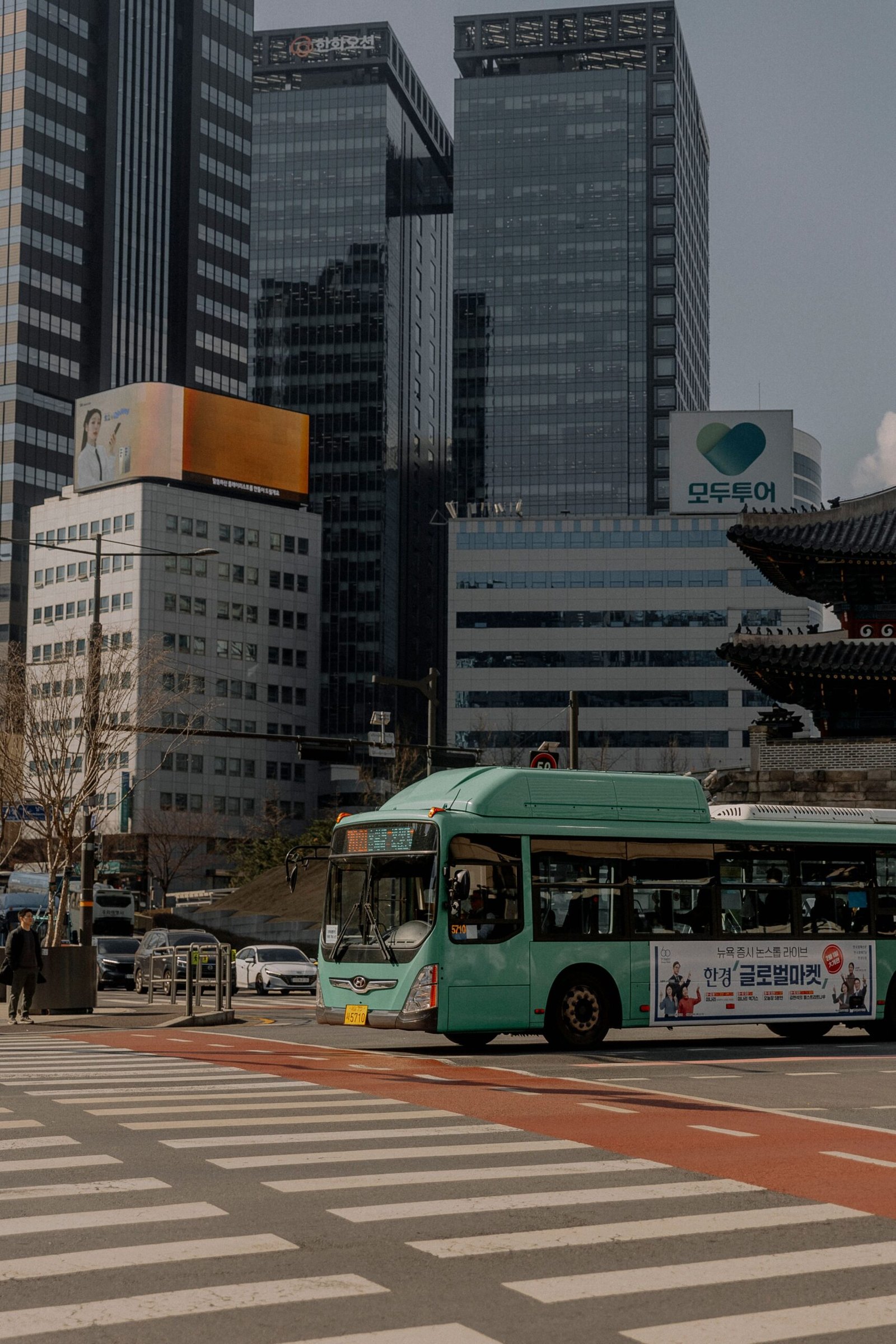

Finding the best hotels in Seoul isn’t just about star ratings—it’s about matching your stay to the city’s very different neighborhoods, subway lines, and travel style. Seoul is huge but wonderfully navigable, and the right base can save you hours of transit while putting you close to the food streets, palaces, shopping, nightlife, or local markets you actually came for.
Below you’ll find a neighborhood-by-neighborhood breakdown (with who each area suits), plus curated hotel recommendations across luxury, boutique, and value-focused options. I’ve also included practical transportation pointers, budget tips, and a quick decision guide so you can book with confidence.
Compare hotels across these neighborhoods on TravelStayMaps to find the best rates and availability.
A reliable, well-located favorite in the heart of Myeongdong with a contemporary vibe and practical comforts. Perfect if you want to walk out the door into shopping streets and still get around Seoul easily.
› BOOK NOWBest Hotels in Seoul: Quick Picks
If you want the shortlist first, here are strong “default” choices by travel style:
- Best all-round luxury (central): Four Seasons Hotel Seoul (Gwanghwamun/Jongno edge)
- Best for first-timers & shopping: L7 Myeongdong by LOTTE (Myeongdong)
- Best boutique vibes near cafes: RYSE, Autograph Collection (Hongdae)
- Best value with transit access: Nine Tree Premier Hotel Myeongdong II (Jung-gu/Myeongdong area)
- Best for Gangnam plans: L7 Gangnam by LOTTE (Teheran-ro, near COEX)
- Best for families & theme-park days: Signiel Seoul (Jamsil/Lotte World area)
Prefer a different city next? See also best hotels in Tokyo for every neighborhood and best hotels in Bangkok near BTS & riverside.
A smart midrange pick that balances location, comfort, and price—great for travelers who plan to be out exploring all day. Expect clean, functional rooms and a dependable base in central Seoul.
› BOOK NOWBest Hotels in Seoul by Area (Where to Base Yourself)
Seoul is best understood through its neighborhoods and subway lines. As a rule, Line 2 (the green circular line) is your friend for getting around quickly, while Lines 1, 3, and 4 connect many major sights in the historic core and shopping zones. Here’s the simplest way to choose:
- Myeongdong / Jung-gu: Best for first-timers, shopping, easy airport bus access, and fast connections to major sights.
- Hongdae / Yeonnam: Youthful nightlife, indie shopping, cafes, and a convenient link to Incheon Airport via the AREX line.
- Insadong / Jongno: Palaces, traditional streets, museums, and walkability to iconic cultural areas.
- Gangnam / Seocho: Sleek modern Seoul, business hubs, COEX, upscale shopping; great if your itinerary leans south of the river.
- Itaewon / Hannam: International dining, bars, and a more cosmopolitan feel—good for expats, foodies, and late-night plans.
- Jamsil / Songpa: Family attractions like Lotte World, the lake park, big malls; also convenient for events/sports.
Seoul’s neighborhoods can feel far apart on the map, but if you book near a subway station with minimal transfers, you’ll spend far less time commuting—and enjoy your hotel more.
A standout Hongdae hotel with a creative, boutique atmosphere and easy access to the area’s best coffee, shopping, and evening scene. Ideal for travelers who want Seoul’s trendy side at their doorstep.
› BOOK NOWMyeongdong & Jung-gu: Best Hotels in Seoul for First-Timers
Myeongdong is the classic “easy mode” base: walkable shopping streets, abundant food options, and quick access to Namsan (N Seoul Tower) and the historic core. Jung-gu (the wider district) includes City Hall and some of Seoul’s most convenient transit links. If this is your first visit and you want a smooth trip, many of the best hotels in Seoul sit right here.
Why stay here
- Transit convenience: Multiple subway lines converge nearby (Lines 2, 4, and more depending on exact location).
- Shopping & street food: Myeongdong’s beauty stores, snacks, and late-night bites are steps away.
- Great for short stays: If you’re in Seoul for 2–4 days, centrality matters.
Watch-outs
- Can be busy: Expect crowds in peak seasons and evenings.
- Room sizes: Some midrange hotels run compact; check square meters before booking.
Hotel sweet spot: Aim for a property within a 5–8 minute walk of a subway entrance—close enough for convenience, far enough for quieter nights.
Compare hotels across these neighborhoods on TravelStayMaps to find the best rates and availability.
A polished, amenity-rich stay near Itaewon’s international dining and bar scene. Great if you want stylish spaces, a lively atmosphere, and easy access to multiple parts of Seoul.
› BOOK NOWHongdae & Yeonnam: Best Hotels in Seoul for Nightlife & Cafes
Hongdae (around Hongik University) is energetic, creative, and packed with cafes, indie shops, street performances, and nightlife. Yeonnam-dong, just beyond, is more relaxed and trendy—great for brunch, strolling, and boutique shopping. This area is a favorite for repeat visitors and anyone who wants a youthful vibe without needing to plan every evening.
Why stay here
- Nightlife & dining: Late-night options are plentiful and varied.
- Airport access: The AREX line makes Incheon Airport trips straightforward (exact route depends on your station and train type).
- Great for “modern Seoul”: Fashion, coffee culture, and music scenes are strong.
Watch-outs
- Noise: If you’re sensitive to sound, avoid rooms facing main streets or book a higher floor.
- Distance to palaces: You can still reach Jongno, but expect longer rides than from Myeongdong.
If you’re building a multi-city trip, you might also like best hotels in Singapore by neighborhood for similarly easy transit + distinct areas.
A sleek, well-run Gangnam option suited to business travelers and shoppers who want modern Seoul convenience. A strong choice if your itinerary leans toward COEX, meetings, or south-of-river neighborhoods.
› BOOK NOWInsadong & Jongno: Best Hotels in Seoul for Culture
Jongno is Seoul’s historic heart: close to Gyeongbokgung Palace, Bukchon Hanok Village, Insadong’s traditional lanes, and excellent museums. If your Seoul wish list includes palaces, hanok architecture, tea houses, and photogenic streets, staying here reduces early-morning commute time and helps you beat tour crowds.
Why stay here
- Walkable sightseeing: Many major cultural attractions are close together.
- Food variety: From classic Korean set meals to modern tasting menus.
- Calmer evenings: Generally quieter than Hongdae or Myeongdong once day-trippers leave.
Watch-outs
- Fewer “mega malls”: Better for culture than for big-box shopping.
- Hills and steps: Some scenic areas (Bukchon) involve inclines—pack comfortable shoes.
A high-end, view-driven splurge in Jamsil that’s especially convenient for family attractions and mall access. Ideal if you’re planning theme-park days, events, or simply want a memorable luxury stay.
› BOOK NOWGangnam & Seocho: Best Hotels in Seoul for Business & Shopping
South of the Han River, Gangnam is Seoul’s sleek, modern face—high-rise offices, COEX Mall, designer shopping, and polished dining. Seocho, adjacent, is more residential but includes key transport nodes and business areas. If you’re in Seoul for meetings, conferences, medical visits, or you simply prefer a more “new city” feel, this is a strong base.
Why stay here
- Business-friendly: Lots of comfortable, well-equipped hotels and easy taxi availability.
- Shopping: COEX and surrounding districts cover everything from beauty to luxury brands.
- Dining: Upscale Korean BBQ and international options are plentiful.
Watch-outs
- Commute to palaces: Plan extra time if you’re sightseeing in Jongno daily.
- Costs: Hotels and dining can skew higher than in the north/central districts.
Itaewon & Hannam: Best Hotels in Seoul for International Dining
Itaewon is known for its international restaurants, bars, and a more global crowd. Nearby Hannam-dong adds a stylish, boutique feel with cafes and galleries. This is a good choice if your trip revolves around dining, cocktails, and a cosmopolitan atmosphere—especially if you’ve visited Seoul before and want a different angle.
Why stay here
- Foodie-friendly: Diverse cuisines and late-night spots.
- Central-ish: Easy access to both north and south sides by taxi and subway.
Watch-outs
- Hills: Some streets are steep; luggage wheels may suffer.
- Noise: Weekend nights can run loud near bar clusters.
Jamsil & Songpa: Best Hotels in Seoul for Families
Jamsil and the broader Songpa area are ideal for family trips or travelers who want big attractions in walking distance—especially Lotte World, large malls, and lakeside parks. It’s also a smart pick if you’re attending an event, concert, or sports game nearby.
Why stay here
- Family convenience: Big rooms (at the upper end), facilities, and kid-friendly attractions.
- Modern infrastructure: Wide sidewalks, malls, and straightforward logistics.
Watch-outs
- Distance from the historic core: Great if you’re doing a few palace days, less ideal if that’s your entire trip.
Budget Tips & Transportation Advice
Getting from the airport to your hotel
- Airport railroad (AREX): Often the best balance of price and speed if you’re staying near stations with easy connections.
- Airport limousine buses: Convenient with luggage and excellent for many major hotels; travel time depends heavily on traffic.
- Taxi: Comfortable after a long flight, but costs vary; confirm estimated fare and consider late-night surcharges.
Getting around Seoul efficiently
- Use the subway for most trips: It’s fast, frequent, and clearly signed in English in most major stations.
- Plan around transfers: A hotel that saves one daily transfer can be a big quality-of-life upgrade.
- Use buses for “last mile” routes: Great for crossing neighborhoods that subway lines don’t connect directly.
Money-saving hotel strategies
- Pick value neighborhoods with strong transit: Staying one stop outside the hottest zone can cut rates while keeping convenience.
- Prioritize breakfast only if you’ll use it: Seoul has morning cafes and quick eats everywhere; skip pricey hotel buffets if you prefer local.
- Compare room sizes: In Seoul, “standard” can mean compact—paying slightly more for extra square meters may feel worth it.
- Laundry access matters: For longer trips, a hotel with guest laundry or nearby laundromats can reduce packing and baggage fees.
Booking Tips (Seasons, Room Types, Fine Print)
Best times to book
- Spring (cherry blossom season) and autumn: High demand and higher prices—book early for the best hotels in Seoul.
- Winter: Often better value (excluding holiday periods), and the city’s cafes, markets, and indoor attractions still shine.
- Summer: Can be humid and rainy; deals appear, but check cancellation terms if weather disrupts plans.
Room type tips
- Ask for higher floors: Helpful in busy districts for quieter nights and better views.
- Non-smoking vs. smoking floors: Double-check your preference; policies vary by property.
- Family rooms: True multi-bed rooms can sell out early—book ahead if you need guaranteed bedding configurations.
What to verify before you click “book”
- Exact subway station and exit: A “near Myeongdong” label can still mean a 12–15 minute walk.
- Gym/pool access rules: Some pools/saunas have limited hours or age restrictions.
- Parking fees: If you’re renting a car (rarely necessary in Seoul), hotel parking can be expensive or limited.
Final Thoughts: Choosing the Best Hotels in Seoul
The best hotels in Seoul are the ones that fit your daily rhythm: palaces and museums (Jongno), shopping and easy transfers (Myeongdong/Jung-gu), nightlife and cafes (Hongdae), polished modern Seoul (Gangnam), global dining (Itaewon/Hannam), or family-friendly attractions (Jamsil/Songpa). If you’re unsure, choose a central spot near multiple subway lines—your future self will thank you after the first long day.
Compare hotels across these neighborhoods on TravelStayMaps to find the best rates and availability.
Once you’ve picked your base, lock in your top choice early for spring and autumn, then build your itinerary around a few “neighborhood days” to minimize transit. Seoul rewards slow exploration—especially when your hotel is in the right place.
Recommended Hotels
📍 Gwanghwamun / Jongno edge
A top-tier luxury base near Gwanghwamun with standout wellness facilities and easy access to Seoul’s historic sights. Ideal for travelers who want a seamless, high-comfort stay with everything in-house.
👍 Pros
- + Prime location for palaces and central Seoul
- + Excellent service and facilities
- + Great dining on-site for a splurge night
👎 Cons
- – Premium pricing in peak seasons
- – Large property feel may not suit boutique seekers
📍 Myeongdong / Jung-gu
A reliable, well-located favorite in the heart of Myeongdong with a contemporary vibe and practical comforts. Perfect if you want to walk out the door into shopping streets and still get around Seoul easily.
👍 Pros
- + Excellent first-timer location near shopping and transit
- + Modern, efficient rooms
- + Good value for a central base
👎 Cons
- – Rooms can be compact
- – Busy area can feel crowded at night
📍 Jung-gu (near Myeongdong area)
A smart midrange pick that balances location, comfort, and price—great for travelers who plan to be out exploring all day. Expect clean, functional rooms and a dependable base in central Seoul.
👍 Pros
- + Strong value for a central area
- + Good for families and longer stays
- + Convenient access to multiple neighborhoods
👎 Cons
- – Not as “design-forward” as some boutiques
- – Facilities are more practical than luxurious
📍 Hongdae
A standout Hongdae hotel with a creative, boutique atmosphere and easy access to the area’s best coffee, shopping, and evening scene. Ideal for travelers who want Seoul’s trendy side at their doorstep.
👍 Pros
- + Excellent Hongdae location near cafes and nightlife
- + Stylish boutique feel with strong design
- + Great for couples and repeat visitors
👎 Cons
- – Weekend noise possible depending on room placement
- – Prices rise during peak weekends/holidays
📍 Itaewon
A polished, amenity-rich stay near Itaewon’s international dining and bar scene. Great if you want stylish spaces, a lively atmosphere, and easy access to multiple parts of Seoul.
👍 Pros
- + Excellent for dining, nightlife, and a cosmopolitan vibe
- + Strong amenities for a ‘hotel day’
- + Good option for mixed itineraries north and south of the river
👎 Cons
- – Hilly surroundings can mean more walking
- – Some rooms may be pricier for the size
📍 Gangnam (Teheran-ro / near COEX area)
A sleek, well-run Gangnam option suited to business travelers and shoppers who want modern Seoul convenience. A strong choice if your itinerary leans toward COEX, meetings, or south-of-river neighborhoods.
👍 Pros
- + Great base for Gangnam and business trips
- + Modern rooms with good work setup
- + Convenient for COEX-area plans
👎 Cons
- – Less ideal for daily palace sightseeing
- – Peak weekday pricing can climb
📍 Jamsil / Songpa
A high-end, view-driven splurge in Jamsil that’s especially convenient for family attractions and mall access. Ideal if you’re planning theme-park days, events, or simply want a memorable luxury stay.
👍 Pros
- + Iconic skyline views and luxury feel
- + Excellent for families visiting Lotte World area
- + Top-notch facilities and service
👎 Cons
- – Premium pricing
- – Farther from the historic center for daily sightseeing
Frequently Asked Questions
What is the best area to stay in Seoul for first-time visitors?
Myeongdong and the wider Jung-gu area are the easiest bases for first-timers because they’re central, well-connected by subway, and packed with shopping and dining. You’ll also have straightforward access to key sights like Namsan and the historic Jongno palace area without long commutes.
Are the best hotels in Seoul closer to tourist sights or business districts?
Both. Many top luxury hotels sit near the historic core (Jongno/Gwanghwamun) for palace access, while another major cluster is in Gangnam for business, COEX, and upscale shopping. The “best” location depends on whether your daily plans are mostly north/central (culture) or south of the river (modern Seoul and meetings).
How many days should I stay in Seoul, and where should I base myself?
For most visitors, 4–6 days is a comfortable first trip. If you want one hotel only, choose Myeongdong/Jung-gu or Jongno for the most efficient sightseeing. If you’re staying a week or more, consider splitting: 3–4 nights central (Jongno or Myeongdong) and 2–3 nights in Hongdae or Gangnam for a different neighborhood feel.
What’s the easiest way to get from Incheon Airport to my hotel?
The easiest option depends on your exact location and luggage. The AREX airport railroad is often the best mix of speed and cost for areas with convenient transfers, while airport limousine buses are very comfortable if your hotel (or a nearby stop) is on a direct route. Taxis are convenient after a long flight but can be more expensive, especially with traffic.
Is Seoul a walkable city for hotel-based sightseeing?
Within neighborhoods, yes—areas like Jongno/Insadong and Myeongdong are very walkable. But Seoul is a large city, so you’ll still rely on the subway or buses to move between districts like Hongdae, Gangnam, and Jamsil. Booking near a subway station with minimal transfers makes the whole city feel more walkable.
How can I save money on hotels in Seoul without sacrificing convenience?
Choose a midrange hotel close to a strong subway connection rather than paying extra to be on the busiest shopping street. Compare room sizes carefully (a small price jump can mean much more comfort), and consider skipping hotel breakfast if you’d rather eat at local cafes. Booking earlier for spring and autumn also helps you lock in better rates.
Which area is best for nightlife in Seoul?
Hongdae is the go-to for energetic nightlife, live music vibes, and late-night food, while Itaewon offers a more international bar-and-restaurant scene. If you’re a light sleeper, pick a hotel room on a higher floor or away from main streets—especially on weekends.
