
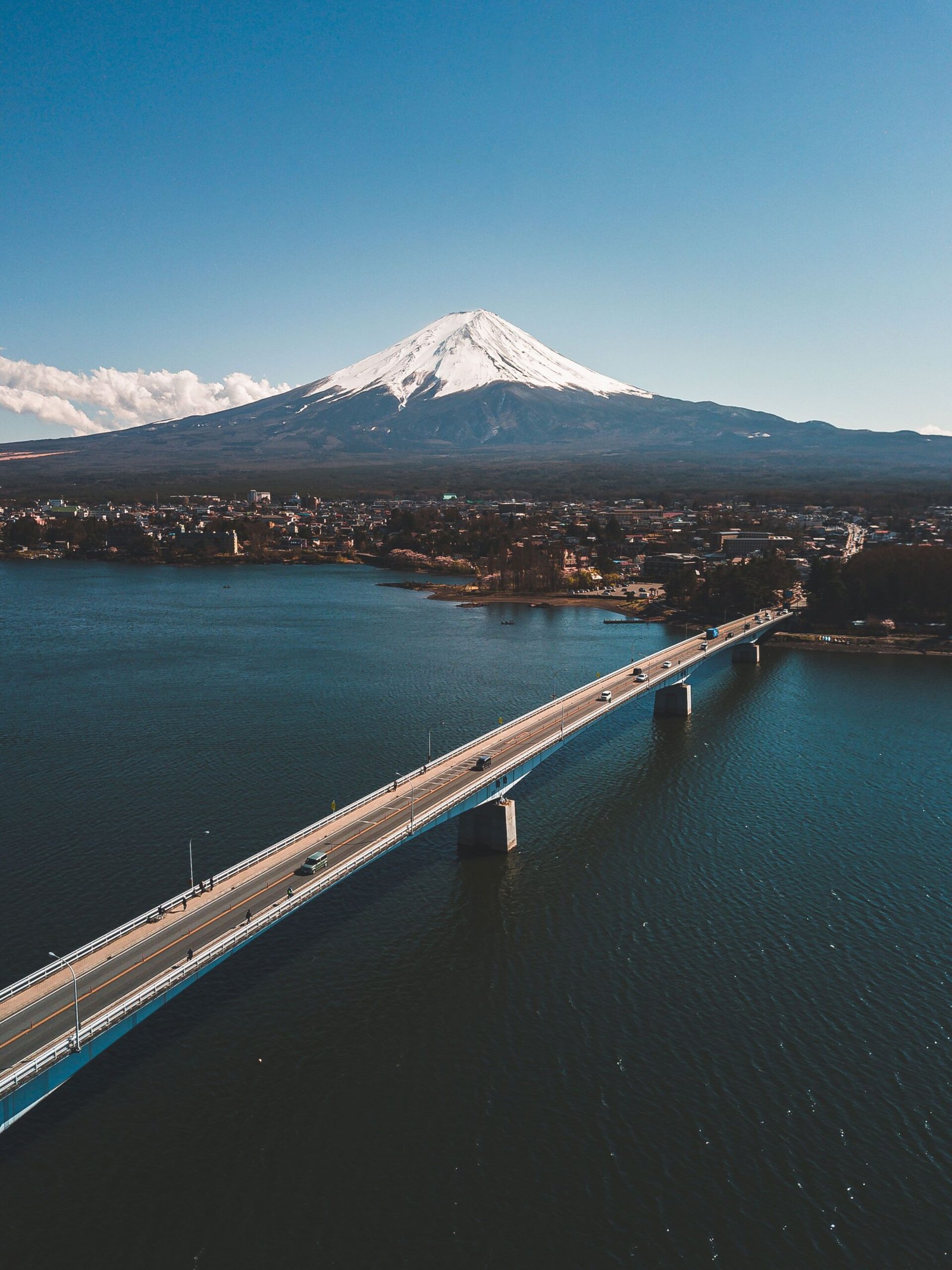

Choosing the best hotels in Hakone comes down to one key decision: do you want a classic onsen ryokan experience (kaiseki dinner, tatami rooms, serene hot-spring baths), or a hotel-style stay with easy access to trains, buses, and the Hakone Loop sights? Hakone is a spread-out mountain region rather than a single town, so where you stay directly affects how early you can beat the crowds at Lake Ashi, the ropeway, and the Open-Air Museum.
This guide breaks down the best areas to base yourself—Gora, Yumoto, Lake Ashi (Motohakone/Hakone-machi), Sengokuhara, and Miyanoshita—then highlights standout stays ranging from splurge-worthy ryokan to reliable mid-range hotels. Along the way you’ll find practical transport advice, budget tips, and what each neighborhood is best for.
Compare hotels across these neighborhoods on TravelStayMaps to find the best rates and availability.
A polished, resort-style stay near Gora that blends international-hotel comfort with the onsen appeal Hakone is famous for. Great for travelers who want a predictable luxury experience and generous room sizes.
› BOOK NOWBest Hotels in Hakone: Quick Overview
Hakone rewards planning. Distances look short on a map, but mountain roads, switchbacks, and bus timetables can make a “quick hop” take longer than expected. Use this snapshot to match your travel style to the right base:
- First time in Hakone / doing the full Hakone Loop: stay in Gora (most convenient for cable car/ropeway connections and the Open-Air Museum).
- Shortest travel from Tokyo / late arrival: stay near Hakone-Yumoto (best rail access and lots of dining).
- Iconic scenery, lake cruises, torii gates: stay around Lake Ashi (Motohakone or Hakone-machi).
- Quiet, open landscapes and museums: choose Sengokuhara (great for longer, slower stays).
- Old-school elegance and classic onsen culture: base in Miyanoshita.
If you’re pairing Hakone with a city itinerary, you might also like: best hotels in Tokyo for first-timers or best hotels in Kyoto near top sights. For another easy side trip, see where to stay in Osaka for food and nightlife.
A well-known Hakone-Yumoto ryokan that balances accessibility with a proper hot-spring stay. A smart pick if you want onsen time without sacrificing easy arrival and departure logistics.
› BOOK NOWBest Areas & Best Hotels in Hakone
Think of Hakone as several small resort towns connected by trains, funiculars, ropeways, boats, and buses. Choosing the right area is the fastest way to upgrade your trip—especially if you only have one night.
- Gora: central to attractions; best balance of convenience and “mountain escape.”
- Hakone-Yumoto: most convenient arrival/departure point; good value; lots of services.
- Lake Ashi (Motohakone/Hakone-machi): best for views and early-morning lakeside walks.
- Sengokuhara: spacious, quieter, great museums and nature; often best room sizes.
- Miyanoshita: historic vibe, scenic river valley, classic onsen hotels.
A landmark Hakone hotel in Miyanoshita celebrated for its history, elegant design, and classic resort atmosphere. Ideal if you value heritage and want a stay that feels distinctly “Hakone.”
› BOOK NOWGora: Best Hotels in Hakone for the Hakone Loop
Gora sits high in the mountains and is one of the smartest bases if you want to tackle the Hakone Loop efficiently: Open-Air Museum, the cable car to Sounzan, the ropeway over Owakudani, then onward to Lake Ashi. You’ll also find a strong cluster of ryokan and onsen hotels with private baths—ideal if you want hot springs but also want to be “close to everything.”
Who it’s best for: first-timers, couples, travelers doing 1–2 nights, anyone prioritizing sightseeing efficiency.
Local tip: aim to start the ropeway early. If you’re staying in Gora, you can often beat the day-tripper wave coming in from Hakone-Yumoto.
Compare hotels across these neighborhoods on TravelStayMaps to find the best rates and availability.
Top picks in Gora
- Gora Kadan (splurge ryokan): renowned service and a serene, refined atmosphere.
- Hyatt Regency Hakone Resort and Spa (luxury hotel comfort): great for travelers who want Western-style rooms plus onsen access.
A serene resort option near Lake Ashi with a calm, nature-forward vibe and easy access to the lake’s best scenery. Perfect for travelers prioritizing views and relaxation over a packed itinerary.
› BOOK NOWHakone-Yumoto: Best Hotels in Hakone for Easy Access
Hakone-Yumoto is the gateway: most visitors arrive here via the Odakyu line from Shinjuku (or by connecting from JR lines). This is where you’ll find the biggest concentration of shops, casual restaurants, and practical conveniences like luggage storage, pharmacies, and frequent buses. It’s also a strong choice if you’re arriving late, traveling with kids, or want to keep transit simple.
Who it’s best for: short trips, families, budget-minded travelers, anyone wanting minimal transfers.
Trade-offs: you’ll spend more time each day traveling “up” into the mountains to reach Gora/Owakudani and Lake Ashi, especially during peak hours.
Top picks in Hakone-Yumoto
- Yoshiike Ryokan: a classic choice with gardens and an easy walk/taxi from the station.
A modern onsen resort with an emphasis on relaxation and high-quality bathing experiences. It’s a strong pick if you want upscale facilities, comfort, and easy access to central Hakone sights.
› BOOK NOWLake Ashi: Best Hotels in Hakone for Views
Staying by Lake Ashi (around Motohakone or Hakone-machi) is all about atmosphere: misty mornings, lakeside strolls, and the chance to visit the Hakone Shrine torii before the crowds arrive. If Mount Fuji is visible, sunrise and late afternoon can be spectacular. This area is less about “quick transit” and more about savoring the scenery.
Who it’s best for: photographers, slow travelers, couples, anyone prioritizing lake views over tight sightseeing schedules.
Local tip: buses can be crowded in the late morning. If you’re staying lakeside, consider doing shrine/torii photos early, then moving toward Owakudani afterward.
Top picks around Lake Ashi
- The Prince Hakone Lake Ashinoko: peaceful forested setting with a resort feel.
Sengokuhara: Best Hotels in Hakone for Nature & Space
Sengokuhara is a more open, highland part of Hakone known for pampas grass fields, big skies, and a calmer pace. You’ll be near attractions like the Pola Museum of Art and the Venetian Glass Museum, and many properties here feel like retreats—often with larger rooms than you’ll find in the more transit-centric hubs.
Who it’s best for: repeat visitors, drivers, travelers staying 2+ nights, anyone wanting quiet and space.
Getting around: buses connect Sengokuhara to Gora and Lake Ashi, but travel times can add up. If you’re not driving, plan your days by “clusters” of sights to reduce backtracking.
Top picks in Sengokuhara
- Hakone Kowakien Ten-yu (nearby, popular for onsen-focused stays): famed for open-air baths and a resort-style experience.
Miyanoshita: Best Hotels in Hakone for Historic Charm
Miyanoshita sits between Hakone-Yumoto and Gora in a scenic valley and is one of Hakone’s most storied resort areas. The vibe is slightly nostalgic—classic architecture, river views, and long-running hotels that echo the era when Hakone was a fashionable retreat. It’s a great compromise base if you want to split the difference between easy access and mountain ambiance.
Who it’s best for: history lovers, couples, travelers who appreciate classic hotels, those who want a calmer base than Hakone-Yumoto.
Top pick in Miyanoshita
- Fujiya Hotel: a landmark stay with deep heritage and a memorable sense of place.
Transportation Tips for Getting Around Hakone
Hakone’s transport network is part of the fun—scenic trains, switchback routes, and the ropeway—but it can feel confusing on a first visit. Here’s how to make it smooth:
- Use Hakone-Yumoto as your “gateway.” Most routes radiate from here, whether you’re heading to Gora, Sengokuhara, or Lake Ashi.
- Consider the Hakone Freepass if you’re doing multiple segments (train/cable car/ropeway/boat/bus). It can simplify ticketing and often saves money versus buying each leg separately.
- Plan around peak hours. Late morning to mid-afternoon is when day-trippers concentrate. Start early (especially for the ropeway and shrine area) or reverse the loop if feasible.
- Shipping luggage can be a game-changer. If you’re switching bases or moving on to Kyoto/Osaka, ask your hotel about luggage forwarding to reduce transfers.
- Don’t underestimate bus time. Roads are winding. Build buffers for check-in times, dinner seatings (ryokan meals are scheduled), and last ropeway/boat departures.
Budget Tips for Hakone (Without Missing the Magic)
Hakone has a reputation for expensive ryokan, but you can absolutely do it on a moderate budget with a few smart choices:
- Stay near Hakone-Yumoto for value. You’ll often get better prices and more dining options than in Gora or lakeside areas.
- Book weekdays and shoulder seasons. Sunday–Thursday nights (outside holidays) tend to be cheaper. Late autumn and peak cherry blossom weeks can spike prices.
- Choose breakfast-only if you don’t need a formal kaiseki dinner. In Hakone-Yumoto, it’s easy to eat locally; in quieter areas, dining choices can be limited at night.
- Look for rooms with shared onsen access rather than private in-room baths—private baths are amazing, but they raise nightly rates significantly.
- Prioritize one “wow” experience. For example: one night in a ryokan with dinner + onsen, then one night in a simpler hotel for sightseeing.
Booking Tips: How to Choose the Right Stay
The best hotels in Hakone aren’t just about star ratings—they’re about matching your schedule and comfort preferences to the property style.
- Check dinner timing and curfews. Many ryokan serve dinner at set times. If you’ll arrive late, confirm the latest check-in for dinner service.
- Understand bath types:
- Public onsen are typically gender-separated and communal.
- Private reservable baths are shared facilities you book for a time slot.
- In-room open-air baths offer maximum privacy and convenience, but at a premium.
- Mind accessibility. Some traditional properties have stairs, split levels, and floor bedding. If you prefer a bed or need step-free access, choose a modern hotel or confirm room layout.
- Plan your itinerary by geography. If you’re lakeside, lean into shrine/boat views. If you’re in Gora, focus on museums and ropeway early.
Final Thoughts on the Best Hotels in Hakone
Hakone is at its best when your hotel choice supports your pace: Gora for efficient sightseeing, Hakone-Yumoto for easy logistics, Lake Ashi for iconic scenery, Sengokuhara for quiet nature, and Miyanoshita for classic charm. Whichever area you choose, prioritize your onsen style (public vs private), meal plan (kaiseki or flexible dining), and transit needs—those three factors usually determine whether a stay feels effortless or complicated.
Compare hotels across these neighborhoods on TravelStayMaps to find the best rates and availability.
If you’re continuing your Japan itinerary after Hakone, you may also find it helpful to browse best hotels in Tokyo by neighborhood or best areas to stay in Kyoto to keep travel days simple.
Recommended Hotels
📍 Gora
A top-tier luxury ryokan in Gora known for refined hospitality, beautifully designed spaces, and a deeply relaxing onsen experience. Ideal for couples or a special occasion stay with an emphasis on privacy and calm.
👍 Pros
- + Exceptional ryokan service and atmosphere
- + High-quality onsen facilities
- + Great base for the Hakone Loop from Gora
👎 Cons
- – Premium pricing, especially in peak seasons
- – Traditional style may not suit travelers who want Western beds
📍 Gora
A polished, resort-style stay near Gora that blends international-hotel comfort with the onsen appeal Hakone is famous for. Great for travelers who want a predictable luxury experience and generous room sizes.
👍 Pros
- + Spacious rooms with hotel-style comfort
- + Reliable service and facilities
- + Good option if you prefer Western-style stays in Hakone
👎 Cons
- – Not directly on top of major transit stops (may need a shuttle/taxi)
- – Less traditional than a ryokan experience
📍 Hakone-Yumoto
A well-known Hakone-Yumoto ryokan that balances accessibility with a proper hot-spring stay. A smart pick if you want onsen time without sacrificing easy arrival and departure logistics.
👍 Pros
- + Convenient base near Hakone-Yumoto Station
- + Traditional ambiance with relaxing garden spaces
- + Good value for an onsen ryokan in a prime gateway area
👎 Cons
- – Can feel busy during weekends and holidays
- – Some rooms and facilities may feel more classic than modern
📍 Miyanoshita
A landmark Hakone hotel in Miyanoshita celebrated for its history, elegant design, and classic resort atmosphere. Ideal if you value heritage and want a stay that feels distinctly “Hakone.”
👍 Pros
- + Iconic heritage hotel with memorable architecture
- + Strong sense of place and history
- + Comfortable base between Yumoto and Gora
👎 Cons
- – Luxury pricing
- – Traditional charm may include quirks compared with newer builds
📍 Lake Ashi (Motohakone area)
A serene resort option near Lake Ashi with a calm, nature-forward vibe and easy access to the lake’s best scenery. Perfect for travelers prioritizing views and relaxation over a packed itinerary.
👍 Pros
- + Beautiful lakeside/forest setting near Lake Ashi
- + Great for a quiet, scenic retreat
- + Convenient for early-morning lakeside walks
👎 Cons
- – More limited dining options nearby compared to Yumoto
- – Transit can take longer to reach other Hakone areas
📍 Kowakidani (between Gora and Miyanoshita)
A modern onsen resort with an emphasis on relaxation and high-quality bathing experiences. It’s a strong pick if you want upscale facilities, comfort, and easy access to central Hakone sights.
👍 Pros
- + Excellent onsen facilities with a modern resort feel
- + Strong choice for an onsen-focused getaway
- + Good positioning for museums and mid-Hakone sightseeing
👎 Cons
- – Popular property—book early for best room options
- – Less “small ryokan” intimacy than boutique stays
Frequently Asked Questions
What is the best area to stay in Hakone?
For most first-time visitors, Gora is the best area to stay in Hakone because it’s well-positioned for the Hakone Loop (Open-Air Museum, cable car, ropeway to Owakudani, and connections toward Lake Ashi). If you prioritize the easiest arrival from Tokyo, Hakone-Yumoto is the most convenient base with the best rail access and plenty of dining.
How many nights should I stay in Hakone?
One night is enough for a classic onsen experience and a highlights day, but two nights is ideal if you want to do the loop at a relaxed pace and still have downtime for hot springs. If you’re staying lakeside or in Sengokuhara, two nights helps because transit times can add up and the area is best enjoyed slowly.
Is it better to stay in a ryokan or a hotel in Hakone?
A ryokan is best if you want the full cultural experience: tatami rooms, scheduled kaiseki meals, and onsen time built into the stay. A hotel is better if you prefer Western beds, flexible dining, gyms/spas, and a more predictable layout—especially helpful for families or travelers with mobility needs.
Do I need a private onsen in my room?
You don’t need it, but it can dramatically change the experience if you value privacy or have tattoos (policies vary by property). Private in-room baths are usually the most expensive option; a good middle ground is booking a property with reservable private baths, or choosing a hotel with excellent public onsen facilities.
What’s the easiest way to get to Hakone from Tokyo?
The most common route is taking the Odakyu line from Shinjuku to Hakone-Yumoto (often via Romancecar for fewer transfers). From Hakone-Yumoto, you’ll connect by local train, cable car, or bus depending on your destination area (Gora, Lake Ashi, Sengokuhara, or Miyanoshita).
Is the Hakone Freepass worth it?
It’s often worth it if you plan to use multiple Hakone transport modes (train, cable car, ropeway, sightseeing boat, buses) within the pass validity period. It also simplifies logistics since you won’t need to buy tickets for each segment. If you’re staying mostly in one area and not doing the loop, individual tickets may be cheaper.
When is the best time to visit Hakone for clear Mount Fuji views?
Clear Fuji views are most common in colder months (late autumn through winter), especially early mornings when the air is crisp. Visibility can be hit-or-miss year-round, but planning a lakeside stay around Lake Ashi increases your chances of catching a great view window at sunrise or late afternoon.
