
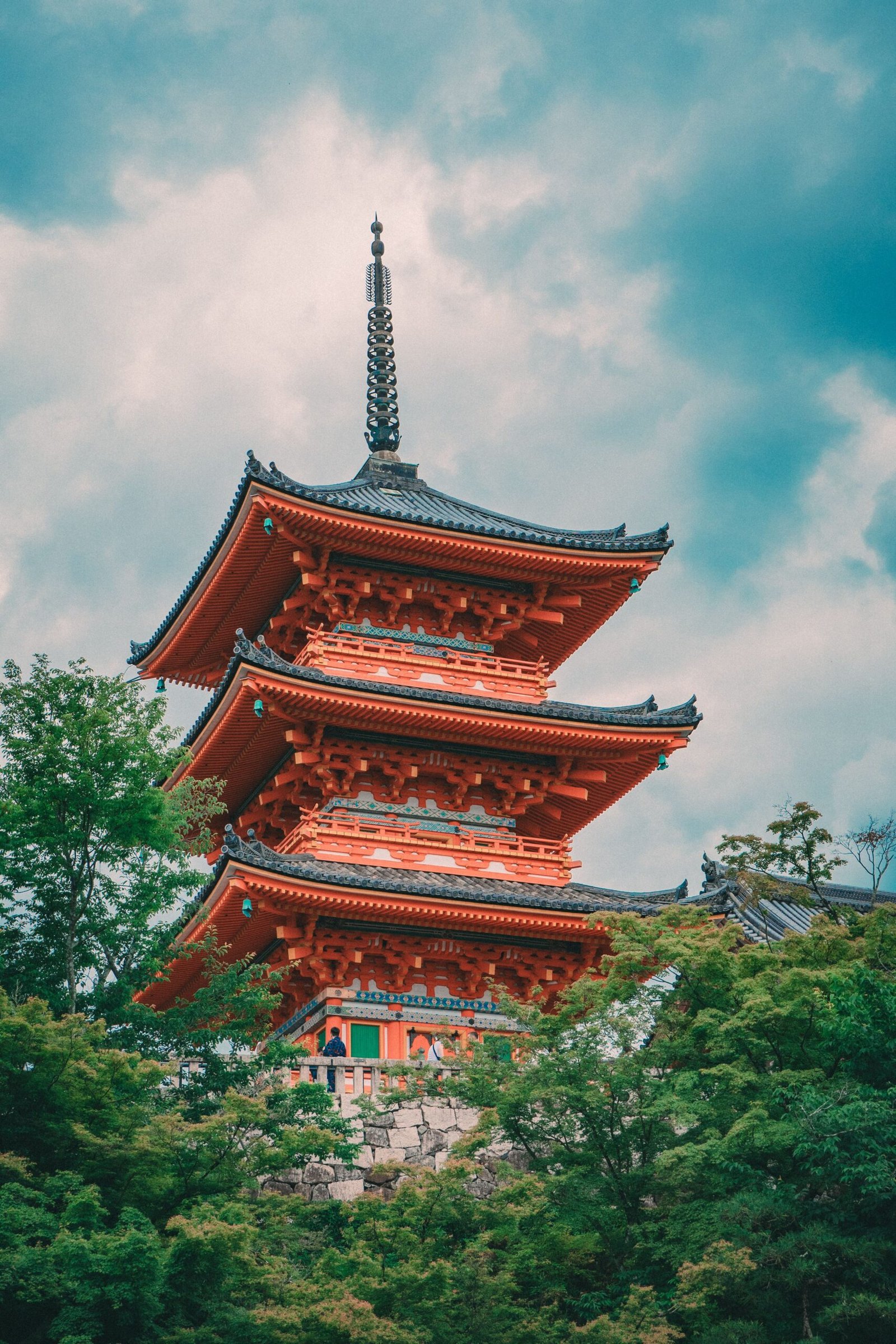

Choosing from the best hotels in Kyoto comes down to one thing: matching your stay to the city’s neighborhood rhythm. Kyoto is compact on a map but feels like several different cities stitched together—sleek Kyoto Station convenience, lantern-lit Gion lanes, riverfront Kawaramachi energy, and the calm, temple-side streets of Higashiyama and Arashiyama. This guide breaks down where to stay (and why), with hotel picks that balance location, comfort, and value—plus transportation and budget tips to help you book with confidence.
If you’re planning day trips, want easy airport transfers, or simply don’t want to think too hard about buses and trains, Kyoto’s areas matter even more than hotel star ratings. Below, you’ll find the best neighborhoods, who they suit, and a short list of reliable, traveler-loved properties across budgets.
Compare hotels across these neighborhoods on TravelStayMaps to find the best rates and availability.
A refined, contemporary luxury stay near Kyoto Station that’s perfect if you want high-end comfort and restful design after long sightseeing days. A strong match for travelers balancing Kyoto with multiple day trips.
› BOOK NOWBest Hotels in Kyoto: Quick Overview
Before you book, here’s the simplest way to narrow down the best hotels in Kyoto for your style of trip:
- First-timers + day trips: Stay near Kyoto Station for bulletproof transit (Shinkansen, JR lines, airport buses) and straightforward logistics.
- Classic Kyoto atmosphere: Choose Gion/Higashiyama for historic streets, early-morning temple access, and traditional dining.
- Food + nightlife + shopping: Base yourself in Downtown (Kawaramachi/Shijo) for the most walkable dining scene and easy connections across the city.
- Nature + slower pace: Pick Arashiyama if bamboo groves, riverside strolls, and quiet evenings are your priority.
Local tip: Kyoto’s public transport is excellent, but it’s not as rail-dense as Tokyo. Many popular sights are easiest by bus + short walk. Staying central (Kyoto Station or Downtown) saves time, while staying in Gion/Higashiyama saves early-morning effort—valuable if you want iconic spots before the crowds.
A smart downtown choice that blends comfort, location, and modern Japanese design. Great for travelers who want to explore Nishiki Market, river walks, and the broader city without overpaying for a premium address.
› BOOK NOWBest Hotels in Kyoto Near Kyoto Station
Kyoto Station is the city’s practical powerhouse. You’ll have the Shinkansen, JR lines, subway access, and a huge bus terminal in one place. It’s the best base for travelers planning day trips to Nara, Osaka, Himeji, or even Hiroshima—plus it’s the easiest area for airport transfers (limousine bus and rail connections).
What the area feels like: modern, convenient, and busy—more glass-and-steel than old Kyoto charm. But the tradeoff is unbeatable efficiency, especially if you’re arriving with luggage or traveling with kids.
- Best for: first-time visitors, short trips, early departures, day trippers
- Not ideal for: travelers seeking traditional streets outside the hotel door
Where exactly? Aim for hotels within a 5–10 minute walk of Kyoto Station’s central exits (Karasuma side is generally calmer; Hachijo side can be super convenient for certain hotels and airport buses).
After choosing your Kyoto base, you may also want to compare stays for side trips—see where to stay in Osaka for food and nightlife or top hotels in Nara near the parks and temples.
Compare hotels across these neighborhoods on TravelStayMaps to find the best rates and availability.
A polished, centrally located hotel for travelers who want Kyoto’s best dining and shopping at their doorstep. It’s a particularly good fit for friends or couples planning full days out and easy evenings close to the hotel.
› BOOK NOWBest Hotels in Kyoto in Gion & Higashiyama
If your mental image of Kyoto includes lantern-lit alleys, wooden machiya houses, and early-morning walks to Kiyomizu-dera, then Gion and Higashiyama are the heartland. This is where you’ll feel Kyoto’s traditional atmosphere most strongly—especially at dawn and after dinner, when day-trippers thin out.
What the area feels like: historic, walkable, and photogenic. It’s also one of Kyoto’s priciest zones for hotels, and taxis may be more convenient than buses late at night. Some streets are quiet; others fill fast around popular sights.
- Best for: couples, culture-first itineraries, photographers, temple hopping
- Not ideal for: heavy day-trip schedules that require multiple transfers daily
Local tip: Stay slightly outside the most congested lanes (closer to Sanjo, Keihan stations, or the Kamo River) for easier access while still being walkably close to the charm.
A high-end choice in peaceful Higashiyama, ideal for travelers prioritizing Kyoto’s cultural sights and a calmer neighborhood feel. The location shines for early morning temple visits and scenic walks before the city gets busy.
› BOOK NOWBest Hotels in Kyoto in Downtown (Kawaramachi)
Downtown Kyoto—around Kawaramachi, Shijo, and Sanjo—is the city’s most convenient blend of fun and function. You’ll have department stores, Nishiki Market, excellent casual food, cocktail bars, and a wide range of hotel styles. Transit is also strong: multiple rail lines plus quick bus routes to major sights.
What the area feels like: lively, central, and easy. It’s a great choice if you want to return to your neighborhood for dinner every night without repeating the same options.
- Best for: food lovers, shoppers, groups of friends, flexible sightseeing
- Not ideal for: travelers who need ultra-quiet streets and early nights
Local tip: If you’re sensitive to noise, prioritize higher floors or hotels set one or two blocks off the main avenues. You’ll still be close to everything, but you’ll sleep better.
Planning to extend your Japan trip? You might also like best neighborhoods and hotels in Tokyo for every budget to contrast Kyoto’s low-rise calm with Tokyo’s mega-city convenience.
A standout boutique stay in Gion for travelers who want their hotel to feel like part of the Kyoto experience, not just a place to sleep. Ideal for couples and culture-first visitors seeking elegance and atmosphere.
› BOOK NOWBest Hotels in Kyoto in Arashiyama
Arashiyama is Kyoto’s scenic west: bamboo groves, river views, and temple gardens. It’s magical early in the morning and pleasantly relaxed in the evening once most visitors head back to central Kyoto. Staying here works best if you want a quieter pace or a ryokan-style experience that feels like a retreat.
What the area feels like: nature-forward, calm, and romantic. Transit into central Kyoto is straightforward but slower than staying downtown—expect to plan your days a bit more intentionally.
- Best for: couples, slow travel, nature lovers, ryokan stays
- Not ideal for: packed itineraries with late-night dining downtown
Local tip: If you’re staying overnight in Arashiyama, wake up early and walk to the bamboo grove before 7:30 a.m. for the most peaceful experience—then return for breakfast while day crowds roll in.
A riverfront luxury retreat that makes Arashiyama feel like a destination of its own. Best for travelers who want to slow down, enjoy the scenery, and experience Kyoto’s natural side with high-end comfort.
› BOOK NOWBest Hotels in Kyoto on a Budget: Money-Saving Tips
Kyoto can be surprisingly expensive—especially in peak seasons (cherry blossom weeks in late March/early April and autumn foliage in November). You can still book the best hotels in Kyoto for your needs without overpaying if you use a few local-savvy strategies.
Budget tips that actually work in Kyoto
- Stay near Kyoto Station or slightly south/west of downtown: You’ll often pay less while gaining better room sizes and newer buildings.
- Book weekdays: Weekend rates jump sharply, especially in spring and fall.
- Consider business hotels: Japan’s business hotel category is generally clean, safe, and efficient, often with excellent locations and strong value.
- Use luggage forwarding (takkyubin): If you’re moving between cities, forwarding bags can let you choose hotels that are more charming but less convenient for wheeling luggage. It also saves taxi costs.
- Prioritize what you’ll use: Paying extra for a river view is lovely, but if you’ll be out all day, put that money toward location or a better bed.
When to splurge
- One-night ryokan experience: If you want the Kyoto dream—tatami rooms, kaiseki dinner, onsen-like bathing—consider splurging for one special night (Arashiyama is ideal for this).
- Temple-side location: In Gion/Higashiyama, you’re paying to experience Kyoto at its quietest—early morning and late evening.
Getting Around Kyoto: Transportation Advice
Kyoto rewards smart transit planning. The subway is useful but limited compared to Tokyo; buses fill the gaps. Here’s how to get around efficiently from the neighborhoods featured in this best hotels in Kyoto guide.
From Kyoto Station
- To Arashiyama: JR Sagano Line to Saga-Arashiyama (simple and quick), then walk.
- To Gion/Higashiyama: Bus or subway + short walk; taxis can be time-effective in the evening.
- Day trips: Easiest access to JR lines and Shinkansen.
From Downtown (Kawaramachi/Shijo)
- To Fushimi Inari: Keihan line access is handy; alternatively, go via JR from Kyoto Station.
- To Arashiyama: Hankyu to Katsura + transfer, or bus/taxi depending on timing.
- Getting home at night: Taxis are widely available; plan for higher fares during peak times.
From Gion/Higashiyama
- Walk-first neighborhood: Many sights are nearby on foot; this is the biggest advantage.
- Transit: Keihan line (depending on your exact location) plus buses; taxis are often the smoothest option after dinner.
From Arashiyama
- To central Kyoto: JR or private rail lines, but factor in travel time and transfers.
- Best approach: Pair Arashiyama days with nearby western sights, then do central/eastern Kyoto on other days.
Practical tip: If you’re doing 2–3 big sights in one day, don’t underestimate taxis for the “last mile.” Kyoto taxis can be a smart value for groups of 2–4, especially when buses are crowded.
Booking Tips for Kyoto Hotels
- Book early for peak seasons: For late March–early April and November, aim to book 3–6 months out for the best selection.
- Check bed size details: Some rooms list “semi-double” beds (smaller than a standard double). If you’re taller or sharing, verify measurements.
- Non-smoking vs smoking: Kyoto still has smoking rooms in some business hotels—select carefully.
- Look at access, not just distance: A hotel “1 km from a sight” may be uphill or across a river with limited crossings. Prioritize proximity to stations and bus corridors.
- Breakfast strategy: If breakfast is pricey, Kyoto has excellent morning alternatives—bakeries, kissaten (coffee shops), and markets—especially downtown.
Final Thoughts: Choosing the Best Hotels in Kyoto
The best hotels in Kyoto aren’t just about luxury—they’re about placing yourself in the right Kyoto. Choose Kyoto Station for speed and day trips, Downtown for dining and flexibility, Gion/Higashiyama for old-Kyoto atmosphere, and Arashiyama for a scenic, slower stay. If you’re torn, a simple split stay works beautifully: two nights central (Station or Downtown) plus one night in a more atmospheric area.
Compare hotels across these neighborhoods on TravelStayMaps to find the best rates and availability.
Whatever you choose, book earlier than you think for peak seasons, confirm room size and smoking policy, and plan your days by geography—Kyoto becomes dramatically more relaxing when you cluster sights and minimize cross-city zigzags.
Recommended Hotels
📍 Kyoto Station
A top convenience pick for Kyoto: you’re effectively staying inside the station complex, making transfers, airport buses, and Shinkansen travel extremely easy. Ideal for first-timers who want a comfortable, full-service hotel base with minimal logistical friction.
👍 Pros
- + Directly connected to Kyoto Station for effortless transit
- + Excellent choice for early departures and day trips
- + Comfortable rooms with strong soundproofing for a station location
👎 Cons
- – Less traditional Kyoto atmosphere right outside
- – Popular dates can price high
📍 Kyoto Station (Hachijo side)
A refined, contemporary luxury stay near Kyoto Station that’s perfect if you want high-end comfort and restful design after long sightseeing days. A strong match for travelers balancing Kyoto with multiple day trips.
👍 Pros
- + Sleek, modern luxury within an easy walk of Kyoto Station
- + Calm, design-forward rooms that feel like a retreat
- + Great for couples who want comfort without leaving the transit hub
👎 Cons
- – Premium pricing compared to business hotels nearby
- – Not a “historic streets” neighborhood
📍 Downtown (Gojo/Shijo area)
A smart downtown choice that blends comfort, location, and modern Japanese design. Great for travelers who want to explore Nishiki Market, river walks, and the broader city without overpaying for a premium address.
👍 Pros
- + Excellent value for a stylish, well-located downtown base
- + Easy access to dining and transit corridors
- + On-site bath area is a welcome reset after temple-hopping
👎 Cons
- – Can book out quickly in peak seasons
- – Rooms may feel compact for long stays with lots of luggage
📍 Downtown (Kawaramachi/Sanjo)
A polished, centrally located hotel for travelers who want Kyoto’s best dining and shopping at their doorstep. It’s a particularly good fit for friends or couples planning full days out and easy evenings close to the hotel.
👍 Pros
- + Prime downtown location near dining, shopping, and the river
- + Modern rooms with a boutique feel
- + Strong base for nightlife and easy citywide access
👎 Cons
- – Downtown energy can be lively late into the evening
- – Parking (if needed) is limited/paid
📍 Higashiyama
A high-end choice in peaceful Higashiyama, ideal for travelers prioritizing Kyoto’s cultural sights and a calmer neighborhood feel. The location shines for early morning temple visits and scenic walks before the city gets busy.
👍 Pros
- + Excellent location for temple-focused itineraries in eastern Kyoto
- + Quiet, refined atmosphere with high service standards
- + Great base for early starts before crowds arrive
👎 Cons
- – Less immediate access to major rail hubs than Kyoto Station
- – Higher nightly rates in peak seasons
📍 Gion
A standout boutique stay in Gion for travelers who want their hotel to feel like part of the Kyoto experience, not just a place to sleep. Ideal for couples and culture-first visitors seeking elegance and atmosphere.
👍 Pros
- + Immersive Gion setting for classic Kyoto atmosphere
- + Boutique luxury with a strong sense of place
- + Wonderful for special-occasion trips
👎 Cons
- – Boutique layout may mean fewer room types and limited availability
- – Gion can be busy in daytime near major lanes
📍 Arashiyama
A riverfront luxury retreat that makes Arashiyama feel like a destination of its own. Best for travelers who want to slow down, enjoy the scenery, and experience Kyoto’s natural side with high-end comfort.
👍 Pros
- + Exceptional Arashiyama setting for a tranquil, scenic stay
- + Perfect for a one- or two-night retreat vibe
- + Great access to early morning Arashiyama walks
👎 Cons
- – Less convenient for frequent trips to central Kyoto
- – Premium pricing reflects the location and experience
Frequently Asked Questions
What is the best area to stay in Kyoto for first-time visitors?
For most first-timers, Kyoto Station or Downtown (Kawaramachi/Shijo) is the easiest base. Kyoto Station is best if you’re doing day trips and want the simplest transfers, while Downtown is ideal if you want the widest choice of restaurants, shopping, and a central location for sightseeing.
Is it better to stay near Kyoto Station or in Gion?
Stay near Kyoto Station for convenience, fast transit, and day trips (Osaka/Nara/Hiroshima). Stay in Gion/Higashiyama for classic Kyoto atmosphere and early access to eastern temples and historic streets. If you can, consider a split stay: 2 nights central + 1 night in Gion for the full experience.
How many nights in Kyoto is enough?
A good minimum is 3 nights: one day for eastern Kyoto (Higashiyama/Gion), one for Arashiyama, and one for downtown markets, shrines, and neighborhoods. If you want a slower pace or day trips to Nara and Osaka, 4–5 nights is more comfortable.
What is the best time to book hotels in Kyoto?
For peak seasons—late March to early April (cherry blossoms) and November (autumn colors)—book 3–6 months ahead for the best selection and pricing. For shoulder seasons, 1–3 months ahead is often fine, but popular hotels in prime neighborhoods can still sell out.
Are Kyoto hotels small compared to other cities?
Many Kyoto hotels—especially business hotels and centrally located properties—have compact rooms by Western standards. Always check bed type (semi-double vs double), room square meters, and luggage space. If you’re traveling with large suitcases or as a family, prioritize room size over minor location differences.
What’s the best way to get around Kyoto from my hotel?
Plan on a mix of trains/subway plus buses, with walking for temple districts. From Kyoto Station, day trips and cross-city transfers are simplest. From Downtown, you’ll have great access to dining and multiple transit lines. In Gion/Higashiyama, walking and short taxi rides can save time, especially at night.
How can I save money on accommodations in Kyoto?
To save money, stay near Kyoto Station or just outside the most touristed streets of Gion/Higashiyama, travel on weekdays, and consider high-quality business hotels. If you’re moving between cities, using luggage forwarding can also reduce taxi costs and make less-central (but cheaper) hotels more practical.
