
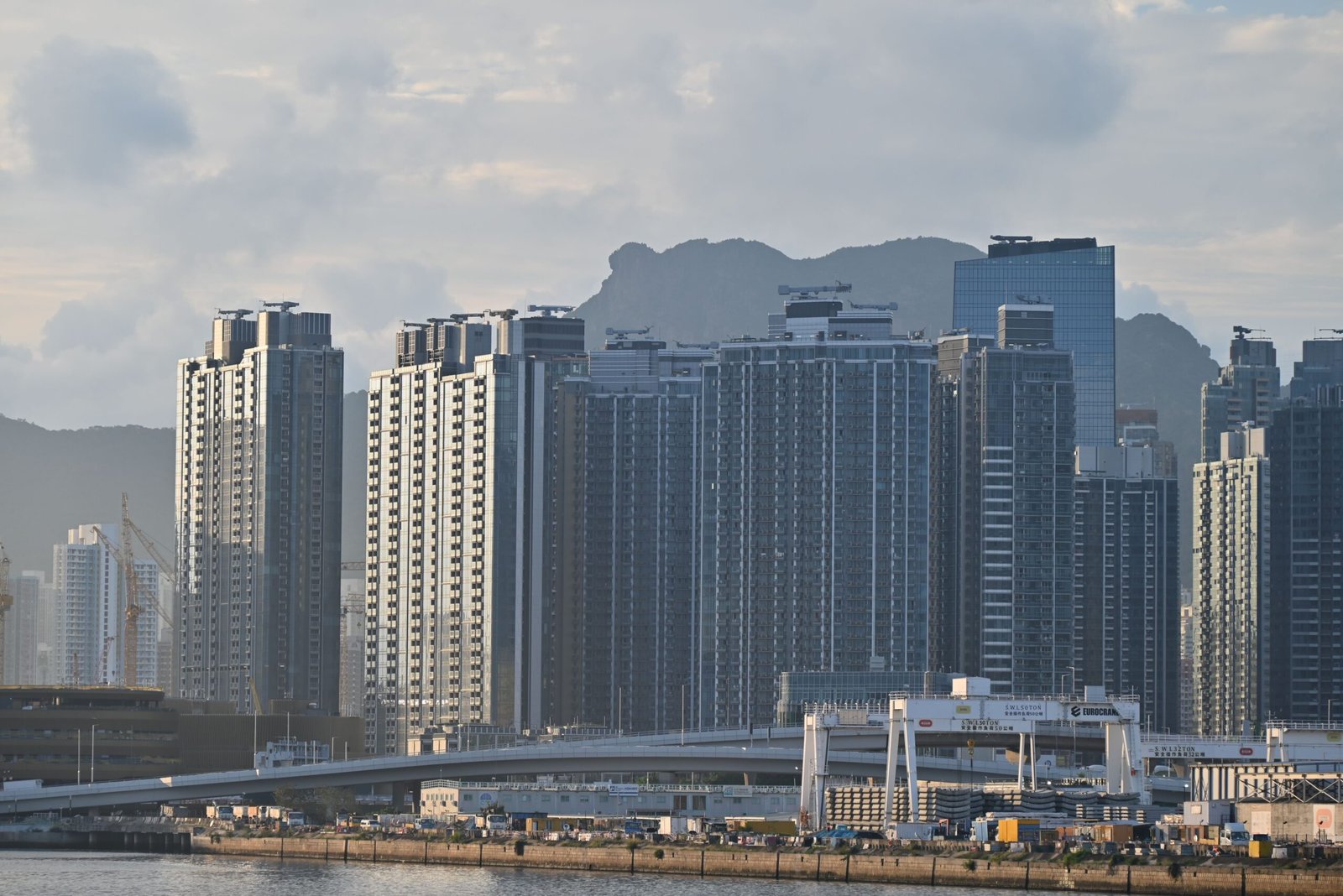

Choosing the best hotels in Hong Kong comes down to two things: which side of the harbor you want to wake up on (Hong Kong Island vs. Kowloon) and how close you need to be to the MTR, the Star Ferry, and your must-do sights. Hong Kong is compact, fast-moving, and famously vertical—so a “great location” usually means steps to a station, easy airport access, and the right neighborhood vibe (shopping, nightlife, business, or family-friendly).
This guide breaks down the best hotels in Hong Kong by area, with practical transportation advice, budget-saving tactics, and hand-picked stays ranging from iconic harbor-view luxury to smart midrange bases that keep you connected without overpaying.
Compare hotels across these neighborhoods on TravelStayMaps to find the best rates and availability.
📍 Compare hotels on TravelStayMaps — see availability and rates on an interactive map.
Set high above the city in West Kowloon, this is a go-to for jaw-dropping skyline views and a polished luxury experience. It’s especially convenient if you value fast airport transfers and modern comfort over an old-town streetscape.
› BOOK NOWBest Hotels in Hong Kong: Quick Neighborhood Match
If you want a fast shortcut before you dive into neighborhoods, here’s how to choose among the best hotels in Hong Kong based on your travel style:
- First trip, want it easy: Central/Admiralty for walkability and transit, or Tsim Sha Tsui (TST) for classic harbor views.
- Shopping + dining: Causeway Bay (big malls) or Central/SoHo (restaurants and bars).
- Culture + skyline photos: TST (Avenue of Stars, museums) and the Star Ferry to Central.
- Best-value base: Mong Kok/Yau Ma Tei (night markets, great food, usually better room rates).
- Trendy, local feel: Sheung Wan/Sai Ying Pun for independent coffee, galleries, and quick MTR access.
One more practical note: hotel rooms in Hong Kong often run smaller than you expect, even at higher price points. If space matters, prioritize newer builds, harbor-facing towers, or family rooms—and always check square meter/footage details.
A Central cornerstone with legendary hospitality, the Mandarin Oriental is a strong choice for travelers who want effortless access to Central’s dining, shopping, and transit. Expect refined, classic luxury and dependable five-star comfort.
› BOOK NOWCentral & Admiralty (Best for first-timers + business)
Central and Admiralty are the city’s high-energy core: glossy towers, luxury malls, and some of the most convenient transit links in Hong Kong. You’re close to the Peak Tram, Lan Kwai Fong nightlife, SoHo escalators, and ferry routes. If you’re balancing sightseeing with meetings—or simply want the most connected base—this is one of the smartest places to book among the best hotels in Hong Kong.
Why stay here
- Transit wins: Multiple MTR lines intersect nearby; easy hops to Kowloon via MTR or Star Ferry.
- Iconic sights nearby: Victoria Peak access, waterfront promenades, and Central’s dining scene.
- Time-saving: Shorter travel times add up fast in a city packed with things to do.
Watch-outs
- Price premium: Central is typically the priciest district for hotels.
- Weekend vibe shift: Business crowds thin out; some areas feel quieter on weekends.
Local tip: If you’ll be using taxis, note that cross-harbor trips can bottleneck in tunnel traffic. In peak hours, the MTR is often faster.
Compare hotels in Central and nearby areas on TravelStayMaps to find the best rates and availability.
📍 Compare hotels on TravelStayMaps — see availability and rates on an interactive map.
A calm, design-forward retreat above Admiralty, The Upper House is beloved for its serene atmosphere and unusually generous room sizes. It’s a top pick for couples and travelers who value quiet luxury and thoughtful details.
› BOOK NOWTsim Sha Tsui & Jordan (Best for harbor views + museums)
Tsim Sha Tsui (TST) is the classic “postcard Hong Kong” base on the Kowloon side—great for skyline views, the Avenue of Stars, and quick access to museums like M+ and the Hong Kong Museum of Art (plus the wider West Kowloon Cultural District). Jordan next door is slightly more local and often better value while keeping you close to the action. If your goal is to stay somewhere iconic, many of the best hotels in Hong Kong sit right here on or near the waterfront.
Why stay here
- Harborfront energy: Easy evening walks and prime skyline photos.
- Convenient connections: MTR lines, cross-harbor ferries, and airport transport options.
- Great for families: Museums and promenades are stroller-friendly compared to steeper parts of the Island.
Watch-outs
- Busy streets: TST can feel crowded, especially evenings and weekends.
- Room noise: Choose higher floors or harbor-facing rooms for quieter nights.
Local tip: The Star Ferry between TST and Central is not just scenic—it’s also a budget-friendly way to cross the harbor without traffic.
A chic, contemporary hotel that suits travelers who want Wan Chai energy with easy access to Causeway Bay shopping. It’s a strong mid-luxury option with a fashionable vibe and solid all-around comfort.
› BOOK NOWCauseway Bay & Wan Chai (Best for shopping + events)
Causeway Bay is Hong Kong’s high-octane shopping hub—think major malls, flagship stores, and endless dining options. Wan Chai blends old and new: local eateries, convention/event venues, and nightlife pockets. This stretch is ideal if you want to be surrounded by convenience while still having quick access to Central. For travelers who want to maximize shopping time (and minimize transit), this area hosts some of the best hotels in Hong Kong for practical city breaks.
Why stay here
- Shopping and dining: You’ll never run out of options, from food courts to late-night noodles.
- Event-friendly: Great base for concerts, conventions, and races/events around the harbor.
- Easy MTR access: Fast rides to Central, Admiralty, and cross-harbor connections.
Watch-outs
- Compact rooms: This is common in Causeway Bay—verify room size before booking.
- Street-level bustle: Light sleepers should request higher floors.
Planning more city stops? You may also like our guides to the best places to stay in Singapore for first-timers and top Tokyo hotels by neighborhood for similarly transit-focused trip planning.
Eaton HK is a reliable pick for travelers who want style and community energy without luxury pricing. With a great Jordan location, it’s ideal for exploring markets, casual local eats, and quick hops to TST.
› BOOK NOWMong Kok & Yau Ma Tei (Best for markets + value)
If you want a more local Kowloon experience—night markets, neon signage, and some of the city’s most memorable street food—Mong Kok and Yau Ma Tei deliver. This is also one of the best zones for value: you can often find solid midrange hotels near the MTR with better prices than TST. For travelers who care more about neighborhood energy and food than harborfront gloss, these can be among the best hotels in Hong Kong for bang-for-buck.
Why stay here
- Best for food and markets: Temple Street Night Market (Yau Ma Tei/Jordan edge), Ladies’ Market (Mong Kok).
- Good transit: MTR access makes it easy to reach TST and Central.
- Better value: Often cheaper than the waterfront and Island-side cores.
Watch-outs
- Busier, grittier feel: It’s safe but more hectic; expect crowds.
- Smaller rooms: Value hotels can be compact—look for upgraded categories.
Local tip: If you’re a light sleeper, request a room that doesn’t face the main roads (Nathan Road can be loud).
Cordis is a full-service, modern five-star in the heart of Mong Kok—perfect if you want convenience, shopping, and easy MTR access. A strong choice for families and travelers who want upscale comfort in a lively neighborhood.
› BOOK NOWSheung Wan & Sai Ying Pun (Best for trendy cafés + local vibe)
Just west of Central, Sheung Wan and Sai Ying Pun feel cooler and more residential—packed with cafés, small galleries, and neighborhood restaurants. You’re still on the Island with fast access to Central, but you’ll often get better value and a calmer, more local rhythm. It’s a strong choice if you’ve been to Hong Kong before—or if you simply prefer boutique vibes while still booking from the pool of best hotels in Hong Kong.
Why stay here
- Trendy-meets-local: Great for coffee runs, design shops, and casual bar hopping.
- Easy access: Quick MTR rides into Central; walkable to parts of the waterfront.
- Value on the Island: Often more competitive than Central proper.
Watch-outs
- Hills: Some streets are steep—pack comfortable shoes.
- Room views vary: Ask for higher floors if you want light and open views.
Side-trip inspiration: If you’re combining Hong Kong with a beach-and-city split, browse where to stay in Bangkok by neighborhood for another easy transit city with distinct districts.
Booking Tips, Budget Hacks & Transport
To consistently land the best hotels in Hong Kong at a fair price, you’ll want to plan around seasonality, room categories, and transit. Here’s what actually helps.
How to save money without sacrificing location
- Prioritize the MTR over the “perfect” street: A hotel 3–6 minutes from a station can be better value than a waterfront address, and you’ll still move fast.
- Book smaller-but-better rooms: In Hong Kong, upgrading from “City View” to “Harbor View” can jump dramatically. If you’ll be out all day, put that money toward experiences.
- Travel in shoulder periods: Rates often spike around major holidays and big events. If your dates are flexible, even shifting by a week can help.
- Look for club lounge value: For some luxury properties, lounge access can replace pricey breakfasts and evening snacks—especially for couples.
Airport to city: what’s easiest?
- Airport Express: Fast and reliable to Hong Kong Station (Island) and Kowloon Station (Kowloon side). From there, you’ll connect via taxi, MTR, or hotel shuttles (varies by property).
- Bus options: Airport buses are cheaper and can be convenient if your hotel is near a major stop, but they’re slower in traffic.
- Taxis: Convenient door-to-door; cost varies by destination and traffic. Color-coded taxis operate in different regions—confirm you’re taking the right one for your area.
Getting around the city (the practical approach)
- Use an Octopus card: It’s the simplest way to pay for MTR, buses, trams, and more.
- Don’t skip the Star Ferry: It’s scenic, affordable, and can be a smart cross-harbor option.
- Expect hills on the Island: Central/SoHo and the Mid-Levels involve inclines; good shoes matter.
What to check before you book
- Room size: Look for square meters/feet—photos can be misleading.
- Bed type: “Double” vs. “twin” can affect comfort in compact rooms.
- Floor level: Higher floors often mean less noise and better views.
- Pool season: Some outdoor pools have seasonal schedules—verify if it’s a must-have.
Compare these neighborhoods again on TravelStayMaps to find the best rates and availability for your dates.
📍 Compare hotels on TravelStayMaps — see availability and rates on an interactive map.
FAQs
Quick answers to common questions travelers ask when booking the best hotels in Hong Kong.
Recommended Hotels
📍 Tsim Sha Tsui (Kowloon)
A Hong Kong legend in the heart of Tsim Sha Tsui, The Peninsula is famous for polished service, classic elegance, and a location that puts the harborfront promenade and shopping at your doorstep. Ideal for special occasions and travelers who want a timeless, iconic stay.
👍 Pros
- + Iconic heritage luxury with top-tier service
- + Prime TST location near the harborfront and transit
👎 Cons
- – Premium pricing
- – Older-style rooms in some categories compared with newer luxury towers
📍 West Kowloon (above Kowloon Station)
Set high above the city in West Kowloon, this is a go-to for jaw-dropping skyline views and a polished luxury experience. It’s especially convenient if you value fast airport transfers and modern comfort over an old-town streetscape.
👍 Pros
- + Spectacular high-floor views over Victoria Harbour
- + Excellent Airport Express connectivity via Kowloon Station
👎 Cons
- – Less street-level neighborhood feel (located in a tower complex)
- – Dining and drinks can be pricey on-property
📍 Central (Hong Kong Island)
A Central cornerstone with legendary hospitality, the Mandarin Oriental is a strong choice for travelers who want effortless access to Central’s dining, shopping, and transit. Expect refined, classic luxury and dependable five-star comfort.
👍 Pros
- + Central location that’s hard to beat for first-timers and business
- + Renowned service and dining
👎 Cons
- – Not a waterfront resort-style setting
- – Some rooms may feel more classic than contemporary
📍 Admiralty (Hong Kong Island)
A calm, design-forward retreat above Admiralty, The Upper House is beloved for its serene atmosphere and unusually generous room sizes. It’s a top pick for couples and travelers who value quiet luxury and thoughtful details.
👍 Pros
- + Spacious, design-led rooms by Hong Kong standards
- + Direct access near Admiralty for quick city connections
👎 Cons
- – Limited on-site facilities compared with mega-hotels
- – Luxury pricing, especially in peak periods
📍 Wan Chai (Hong Kong Island)
A chic, contemporary hotel that suits travelers who want Wan Chai energy with easy access to Causeway Bay shopping. It’s a strong mid-luxury option with a fashionable vibe and solid all-around comfort.
👍 Pros
- + Stylish, modern base between Wan Chai and Causeway Bay
- + Great dining and design for a mid-luxury price point
👎 Cons
- – Rooms can be compact in entry categories
- – Some views are more urban/close-up than panoramic
📍 Jordan (Kowloon)
Eaton HK is a reliable pick for travelers who want style and community energy without luxury pricing. With a great Jordan location, it’s ideal for exploring markets, casual local eats, and quick hops to TST.
👍 Pros
- + Excellent value for Kowloon with a fun, social atmosphere
- + Convenient for Jordan MTR and Temple Street area
👎 Cons
- – Can feel busy and lively (not the quietest vibe)
- – Some rooms are smaller than average
📍 Mong Kok (Kowloon)
Cordis is a full-service, modern five-star in the heart of Mong Kok—perfect if you want convenience, shopping, and easy MTR access. A strong choice for families and travelers who want upscale comfort in a lively neighborhood.
👍 Pros
- + Direct access to Langham Place mall and Mong Kok transit
- + Full-service facilities with strong family appeal
👎 Cons
- – Not a harborfront setting
- – Surrounding streets are busy and crowded at peak times
Frequently Asked Questions
What is the best area to stay in Hong Kong?
For most first-timers, Central/Admiralty is the most convenient base thanks to dense MTR connections, easy access to major sights, and quick cross-harbor links. If you’re prioritizing skyline views and museums, Tsim Sha Tsui is a close second with a classic harborfront atmosphere. For better value with a local feel, consider Mong Kok/Yau Ma Tei or Sheung Wan/Sai Ying Pun.
Is it better to stay on Hong Kong Island or in Kowloon?
Hong Kong Island (Central, Admiralty, Wan Chai, Causeway Bay) is great for business, dining, and a more “urban core” feel with hillside neighborhoods. Kowloon (Tsim Sha Tsui, Jordan, Mong Kok) is ideal for harborfront promenades, markets, and often better-value hotels. With the MTR and ferries, you can easily enjoy both—choose based on your priority: Island for convenience and nightlife, Kowloon for views and markets.
How many days should I stay in Hong Kong?
A practical minimum is 3 full days to cover Central/SoHo, Victoria Peak, Tsim Sha Tsui’s harborfront, and a market neighborhood like Mong Kok. With 4–5 days, you can add Lantau (Big Buddha/Ngong Ping), a hike like Dragon’s Back, and more time for museums and day trips without rushing.
What’s the best way to get from Hong Kong International Airport to my hotel?
The Airport Express is usually the fastest and most predictable, especially to Hong Kong Station (Island) or Kowloon Station (Kowloon). From there, take the MTR, a short taxi ride, or any available hotel shuttle. Buses are cheaper and can be convenient if your hotel is near a direct stop, while taxis are door-to-door but can be slower in traffic and cost more.
Are Hong Kong hotel rooms really small?
Yes—compact rooms are common across many categories, even in upscale properties, particularly in dense areas like Causeway Bay and Central. Always check the room size in square meters/feet, consider booking a higher room category for extra space, and prioritize newer hotels or suite-style rooms if comfort and unpacking room matter.
When is the best time to book hotels in Hong Kong for good prices?
You’ll often find better value in shoulder periods when demand is softer and there are fewer major events. Prices can spike around holidays and large conventions, so booking earlier for peak dates helps. If your dates are flexible, compare nearby weeks—small date shifts can significantly change rates in Hong Kong.
What transportation pass should I get for Hong Kong?
Get an Octopus card—it’s the simplest, most widely accepted option for MTR, buses, trams, and more. Pair it with walking and occasional Star Ferry rides for an efficient, budget-friendly way to explore both Hong Kong Island and Kowloon.
